As an Amazon Associate, Modded gets commissions for purchases made through links in this post.
Hollywood frequently relies heavily on nostalgia, prioritizing familiar territory over original ideas. Moviehouses are now flooded with remakes — updates of classics and recent hits alike — often resulting in products that lack creativity and are defined by diminishing returns.
1. The Nostalgia Trap
Movie studios now prioritize profits over creativity, relying heavily on familiar franchises instead of taking risks. This action leaves audiences stuck with endless nostalgia. For example, “Die Hard” offered fresh, inventive action, but as the sequels accumulated, the series relied more on formula than originality.
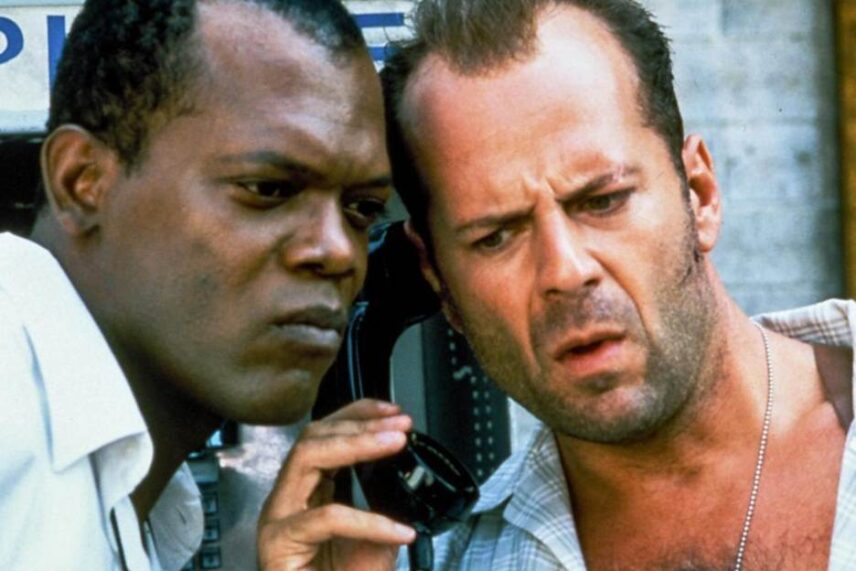
Image courtesy of 20th Century Fox
Any film beyond the third edition of a franchise tends to bid farewell to embracing unique storytelling and plays it safe by rehashing familiar narratives, offering little more than a shiny, updated aesthetic. Disney’s recent live-action remakes are also flopping more regularly. Sadly, too many of these ‘trusted formulas’ lead to repetitive, uninspired products.
2. A Risk-Averse Industry
Hollywood’s focus on profit makes it risk-averse, driving studios to remake familiar hits rather than try new ideas. Movies like “A Nightmare on Elm Street,” “Poltergeist” and “Flatliners” became classics in the ’80s and ’90s because of their originality, with many other originals being underrated by critics. Their new millennium remakes lacked the same creativity and impact.
These titles were all remade in the 2010s by banking on the rehashed nostalgia of audiences who grew up with the original franchises. Rather than pushing boundaries, producers exploited the same storylines to generate profit, perpetuating a cycle that ultimately stifles new and diverse narratives and dumbs down the industry.

Image courtesy of New Line Cinema
3. The Diminishing Returns
Studios churning out remakes of once-loved works invariably cause excitement to wane. Viewers begin to tune out as they’ve seen the story before and don’t need it retold in a slightly different package.
Each successive remake will pull the viewer further away, leading to a collective yawn rather than the thrill of something new. As cinematic fatigue sets in, what was once a cherished classic risks fading into obscurity, overshadowed by the countless drones of its former glory.
4. The Need for Originality
If cinema is an art form, then fresh ideas are necessary to keep its heartbeat alive. Art cannot exist in a vacuum, so remakes cannot indefinitely capture modern audiences. Art must evolve to reflect contemporary realities and experiences.
Consider the impact of films like 2016’s “Moonlight” or 2017’s “Get Out.” These fresh narratives illuminated new perspectives and resonated deeply with viewers, advocating for the kind of originality that today’s remakes sorely lack.
More Imagination Will Encourage Greater Hollywood Success
The relentless churn of movie remakes signifies much more than a simple trend. It showcases Hollywood’s failure of imagination. If viewers demand fresh, original narratives, perhaps they can wake Hollywood from its slumber and encourage new stories to emerge from the ashes of nostalgia.