As an Amazon Associate, Modded gets commissions for purchases made through links in this post.
A strange and tragic coincidence haunts the history of modern music. The 27 Club is an eerie, exclusive and entirely informal group of iconic musicians, actors and artists who all met untimely demises at the age of 27. From the pioneers of rock and roll to contemporary stars, the list continues growing, fueling a myth that sits at the crossroads of fame, tragedy and statistical anomaly.
Exploring the origins of this dark myth reveals the lives of its most famous “members,” and examines the psychological and cultural factors that keep the legend alive.
The Concept of the Club
The concept of the 27 Club gained prominence after a string of high-profile deaths in the late 1960s and early 1970s, including well-known musicians Brian Jones, Jimi Hendrix, Janis Joplin and Jim Morrison. While often romanticized, the “club” highlights the real-world pressures of fame, addiction and mental health struggles that disproportionately affect many young artists thrust into the spotlight of the public eye.
However, statistical studies show that while a small spike in mortality for musicians exists around this age, it is not significantly different from the general population, suggesting the 27 Club is more of a morbid coincidence and pop culture legend than a proven curse. Nonetheless, it exists, creating something of an urban legend akin to many others doing the rounds.
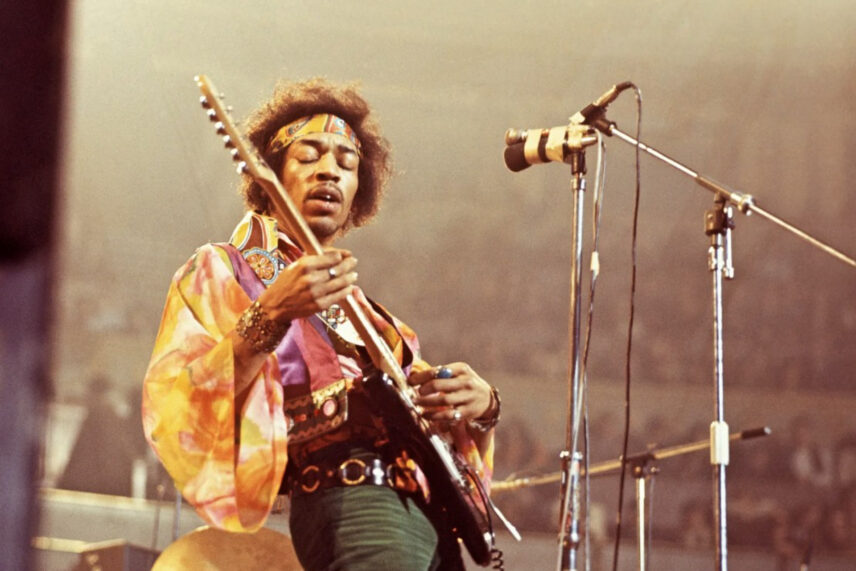
The Birth of a Legend: The Club’s Original Four Members
It started as a whisper, a dark coincidence noted by rock fans and music journalists. In the two short years between July 1969 and July 1971, the music world lost four of its brightest, most rebellious stars, all aged 27. The tragic succession began with Brian Jones of the Rolling Stones, found dead in his swimming pool, with Jimi Hendrix, arguably the greatest guitarist of all time, dying in London just over a year later.
Weeks after that, the raw, powerful voice of Janis Joplin was silenced by an overdose, before, finally, Jim Morrison, the electric frontman of The Doors, died in Paris to complete the grim quartet. These weren’t just deaths, but seismic shocks to the counterculture. In a brief, two-year span, four monumental talents who had redefined a generational sound and style were gone.
This period, so rich in innovation and deeply pivotal to the history of rock music, also became tragically defined by loss, cementing the foundation of the 27 Club myth in the public consciousness. These enigmatic artists’ incredible rises and sudden falls created a narrative of dazzling, yet doomed, genius.
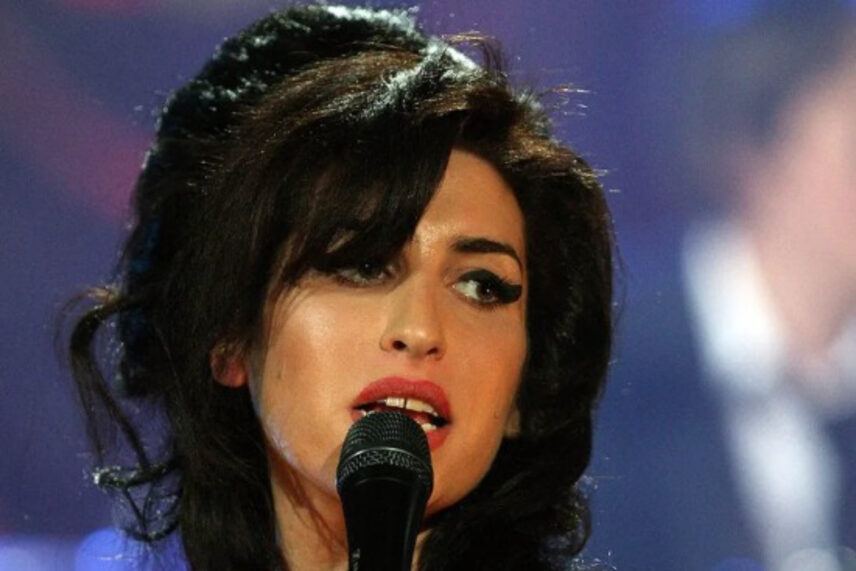
Curse or Coincidence: Expansion of the Club
For over two decades, the 27 Club remained a tragic footnote from the ’70s, with irregular yet largely unremarkable additions gracing the piece of rock-and-roll lore. That all changed in 1994, when Kurt Cobain, the reluctant voice of a generation, took his own life at 27. This event violently reignited the myth for a new audience. Suddenly, it wasn’t just a historical coincidence, feeling more like a continuing curse.
The legend’s staying power grew, evolving much like the many mysteries that may cross your path as you move through life and learn about the oddities that surround us. In 2011, the heartbreaking death of soulful singer Amy Winehouse carried the 27 Club firmly into the 21st century, proving its morbid appeal was as strong as ever.
While the unofficial list now includes over 30 musicians, researchers still question the narrative. No statistical spike in mortality risk for famous entertainers at age 27 seems to exist, suggesting the “curse” is a product of confirmation bias — we simply remember the hits and forget the misses.
The Psychology of Stardom: A Pressure Cooker of Fame?
So, if it’s not a curse, what’s the real reason so many brilliant young artists burn out? The answer lies less in superstition and more in stardom’s brutal psychology. Fame is a pressure cooker, with up-and-coming young artists thrust into it, subjected to unbearable heat. Imagine you suddenly go from total anonymity to having every mistake, bad day and private moment magnified under a global spotlight.
This intense scrutiny, combined with an immediate loss of privacy and social disorientation brought about by sudden wealth, can create a perfect storm for psychological distress.
The cost of fame in the music industry can make artists uniquely vulnerable to mental health crises, with many turning to drugs or alcohol to cope with the immense psychological challenges of pressure, loneliness and anxiety. This cycle of self-medication is a very real, dangerous trap that offers the most logical and tragic explanation for the 27 Club’s continued existence and growth.
Celebrating the Legacy of the 27 Club Members
While the 27 Club is a compelling, dark narrative, it ultimately does a disservice to the members it catalogues. Focusing on the morbid coincidence of their age ultimately overshadows the phenomenal, culture-shifting art they created during their short lives. These artists were more than statistics, being creative, artistic pioneers and raw, honest performers who left indelible marks on their chosen industry. The greatest tribute we can pay them is to silence the whispers of curses and conspiracies and simply listen.
Slide on a record. Drop the needle and explore the must-have vinyl records from legends like Hendrix, Cobain, and Winehouse, along with the others in your collection. In the grooves of those albums, you’ll find their true, immortal legacy through a body of work that remains vibrant, influential and infinitely more important than the number 27. It’s a reminder to celebrate the life they poured into their music, not the age at which they left.
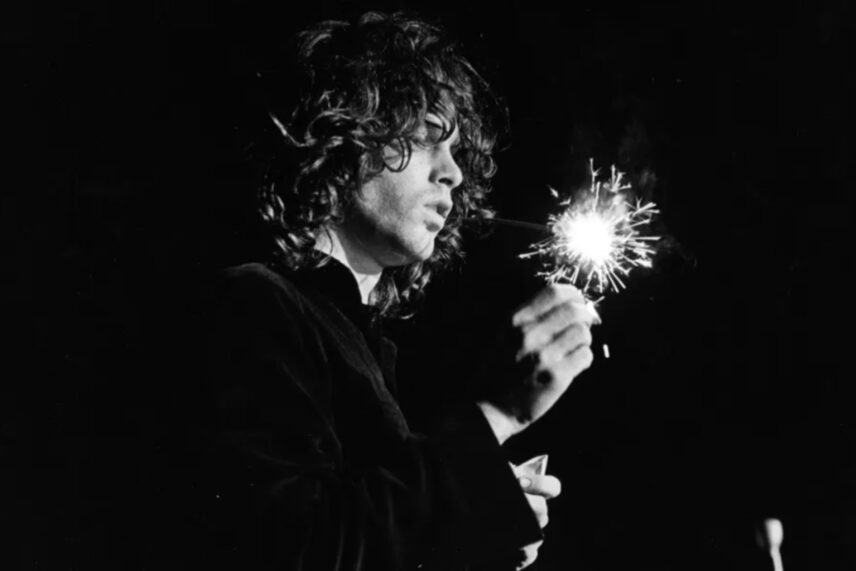
Members of the 27 Club
Through the years, the following musicians have joined the ranks of the 27 Club. We remember them, not for their membership, but for their musical talent and achievements during their curtailed lives in the industry.
- 1938: Robert Johnson
- 1960: Jesse Belvin
- 1969: Dickie Pride
- 1969: Brian Jones (Rolling Stones)
- 1970: Alan Wilson (Canned Heat)
- 1970: Jimi Hendrix
- 1970: Janis Joplin
- 1971: Jim Morrison (The Doors)
- 1972: Leslie Harvey (Stone the Crows)
- 1973: Ron “Pigpen” McKernan (Grateful Dead)
- 1975: Pete Ham (Badfinger)
- 1975: Gary Thain (Uriah Heep)
- 1978: Chris Bell (Big Star)
- 1985: D. Boon (Minutemen)
- 1988: Amar Singh Chamkila
- 1989: Pete de Freitas (Echo & the Bunnymen)
- 1991: Chris Austin
- 1993: Mia Zapata (The Gits)
- 1994: Kurt Cobain (Nirvana)
- 1994: Kristen Pfaff (Hole)
- 1998: Fat Pat (DEA)
- 1999: Freaky Tah (Lost Boyz)
- 2000: Rodrigo
- 2003: Jeremy Ward (The Mars Volta)
- 2005: Bryan Ottoson (American Head Charge)
- 2006: Valentín Elizalde
- 2008: Orish Grinstead (702)
- 2011: Amy Winehouse
- 2016: Thomas Fekete (Surfer Blood)
- 2017: Jonghyun (Shinee)
- 2018: Fredo Santana
- 2020: Benjamin Keough
- 2023: Mohbad
- 2024: Dutty Dior