As an Amazon Associate, Modded gets commissions for purchases made through links in this post.
There are plenty of book-to-film adaptations where people claim the book is better. You might have heard that some movies omit the original book’s themes or drastically alter the plot. However, a handful of films have transcended the written word, captivating book lovers and non-readers alike. They have transformed the story into a new medium — the screen.
Here are seven of the greatest book adaptations, cementing their place in cinema’s history.
1. The Godfather (1972) — From Pulp Novel to Cinematic Epic
One of the best examples of a successful novel-to-film adaptation is The Godfather. Adapted from Mario Puzo’s crime book, director Francis Ford Coppola turned it into a timeless classic about family, power and the corruption of the American dream. The film creates darker and grittier snapshots of family life and what it means to pursue power. The film garnered critical acclaim, winning three Oscars for Best Picture, Best Actor, and Best Adapted Screenplay.
The casting choices truly made the characters leap out from the page. Marlon Brando’s Vito Corleone embodies a quiet yet authoritative figurehead of a Mafia organization. On the other hand, Al Pacino’s performance was remarkable, perfectly capturing the transformation of a war hero into a ruthless leader.
2. Blade Runner (1982) — Building a World Beyond the Page
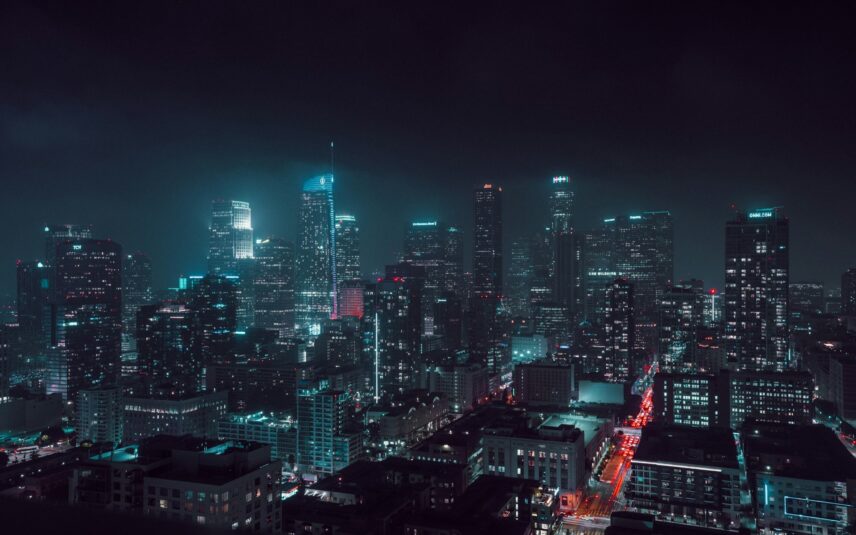
As one of the most popular sci-fi book adaptations, Blade Runner has shaped Cyberpunk’s visual themes and motifs. It is originally from Philip K. Dick’s Do Androids Dream of Electric Sheep? that Ridley Scott translates into film, complete with breathtaking and innovative images of the future.
The film is able to use the language of cinema well by prioritizing world-building and atmosphere — from rain-soaked streets, neon-lit buildings and the hierarchical dystopia of 2019 Los Angeles. Blade Runner resonated with people since it explored the book’s philosophical questions about memory and empathy, specifically about what it means to be human.
3. Dune (2021) — Realizing the Unfilmable
Frank Herbert’s Dune has long been touted to be unadaptable. The book has complex world-building, dense political intrigue and esoteric philosophical themes. Director Denis Villeneuve, a longtime Dune fan, split the book in half and focused on Paul Atreides’s initial journey for the first film. The third installment is expected to be released in late 2026.
The best thing about this novel-to-film adaptation is its use of imagery to convey the novel’s immense scale. The film features monumental architecture, vast desert landscapes and awe-inspiring sound design to convey political stakes. The first film embodies the archetypal hero’s journey and sci-fi genre conventions while adding a fresh twist. It elevates it to an intergalactic setting.
4. Fight Club (1999) — Sharpening the Satirical Edge
Chuck Palahniuk’s novel is known for its satirical tone. The director David Fincher took the book’s anti-consumerist message and adapted it to the screen with a hyper-kinetic visual style, making it a cultural phenomenon.
Fight Club is known for its controlled chaos in scenes. For example, it cleverly uses a slick direction, an unreliable narrator and a streamlined, fast-paced plot. Brad Pitt and Edward Norton are perfectly cast and deliver performances that capture viewers’ feelings of alienation in a consumer culture. Overall, it’s a story about rebellion, toxic masculinity and one’s search for identity. These themes have made the film receive a huge cult following.
5. The Fellowship of the Ring (2001) — Forging a World from Lore
J.R.R. Tolkien’s work is vastly popular, with a fervor fanbase and dense worldbuilding — lore, language, history and culture of characters residing in Middle-earth. It is one of the most successful book-to-film adaptations, thanks to director Peter Jackson’s embrace of the story’s epicness.
The film focused on the emotional journey of the characters, making the story’s universal themes of friendship and sacrifice shine. The first film showcased the loyalty of the Fellowship, Sam’s devotion to Frodo and the importance of duty. Peter Jackson also committed to providing a unique cinematic experience by making sure the movie’s effects were top-notch and immersive. The film used forced perspective, oversized props and different-sized actor doubles.
6. Jurassic Park (1993) — Injecting Wonder into a Techno-Thriller
Michael Crichton’s novel is a dark techno-thriller, dripping with scientific detail and graphic descriptions. On the other hand, Steven Spielberg’s film is a family-friendly adventure. It is one of the blockbuster hits that pioneered the use of CGI to create immersive scenes. One of the struggles of book-to-film adaptations is shifting tone, but Spielberg does this successfully by holding tight to the book’s central theme of scientific hubris
Every moment of the film straddles the line between terror and awe. For example, T. rex attacks and raptors in the kitchen feel like such surreal moments for both the heroes and the viewers, as they channel people’s childlike wonder. Moreover, John Williams’ iconic score contributes to the film’s timelessness and fantasy.
Honorable Mentions
There are many other successful book adaptations that have transformed the world of cinema and breathed new life into their original book. In particular, Jaws is considered a classic film that is far superior to the pulpy novel on which it was based. The Martian is a lauded adaptation that deals with problem-solving and the wonders of science and technology. One of the most famous war film adaptations is Saving Private Ryan, starring Tom Hanks and based on a book of the same name by Max Allan Collins.
The Shawshank Redemption is based on world-famous thriller writer Stephen King’s novella, Rita Hayworth and the Shawshank Redemption, which fully captures the feeling of perseverance in a brutal system. Children of Men is adapted from P.D. James’ 1992 novel, which is a philosophical and politically charged take on infertility. These movies are all great examples of how adaptations should be done.
The Best Adaptations Create Their Own Legacy
The best novel-to-film adaptations don’t just copy the original. They typically interpret and transform it using cinema’s unique strengths — from visuals and sound to performance. The whole crew behind the movie, such as directors, cinematographers, actors and the props team, tries to find the soul of the book and give it a new life.
What these stories have in common is a fresh perspective on humanity, whether that’s the cycle of violence and corruption from The Godfather to the everlasting life of friendship and courage from The Fellowship of the Ring. Viewers can learn about universal themes and experience the journey alongside the characters through the films.