As an Amazon Associate, Modded gets commissions for purchases made through links in this post.
The interest in self-defense has shifted, and many men are no longer only interested in flashy techniques or belt rankings. You want something that works when adrenaline spikes, space is limited and the situation is unpredictable. That focus has pushed practical, pressure-tested styles to the front of the conversation around the best martial arts for self-defense.
This guide cuts through the hype and the dojo, showing what actually makes a martial art effective, how modern systems compare and whether styles like karate still hold value and how to choose the best form of martial arts (MA) for your goals, body and lifestyle.
What Truly Makes a Martial Art Effective for the Street?
Self-defense, unlike typical martial art types and events, is not a tournament, and it’s not a performance. Effectiveness ultimately depends on how well training prepares you for chaos. Consider these three aspects that determine whether you’re ready to defend yourself and your loved ones:
- Pressure testing: You need regular sparring against resisting partners. Techniques that only work with a cooperative partner fail under stress. A robber won’t wait for you to finish your kata before attacking you, so you’d best know how to react instantly and block a blow or strike wisely if they are armed.
- High-percentage technique wins: The most effective MA styles focus on a small set of reliable movements — think of Mr Miyagi’s “wax on and wax off” moves from “Karate Kid.” A style that optimizes clinches, strikes, takedowns and escapes works in many situations.
- Realistic scenarios: Effective training addresses surprise attacks, uneven footing, close-quarters combat and common threats such as grabs and tackles. Some systems also address awareness of weapons and multiple attackers.
The Top Tier: Modern, Pressure-Tested MA
If you’re wondering how many martial arts there are in the world, the answer is countless. Below are the styles most often cited as the most effective martial arts for real-world defense. Each has strengths, limitations and a different training feel.
1. Krav Maga
This self-defense style of MA first developed in Israel with its military and defense forces. Its entire purpose is survival. Training emphasizes aggression, quick decision-making and ending threats fast.
You practice defending against common attacks, such as punches, chokes, knives and firearms, under stress. When you encounter a blow, you might use a safety roll, where you disperse energy from the fall or blow to minimize impact. There is little focus on tradition and competition. In film, Krav Maga techniques appear in movies like “Taken,” reinforcing its reputation as a no-nonsense system.
2. Brazilian Jiu-Jitsu (BJJ)
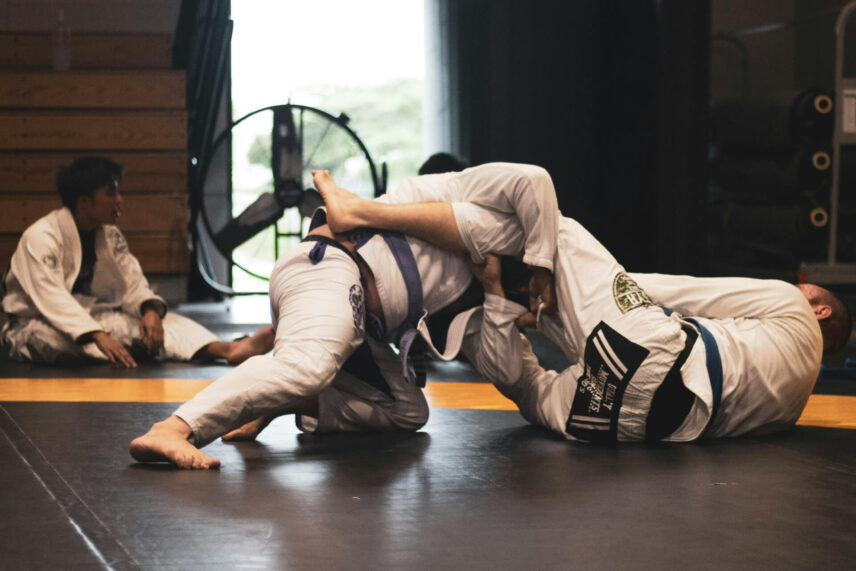
BJJ is quickly gaining worldwide popularity, and it evolved in Brazil from Japanese judo and is a fast-paced fighting style. It teaches you how to control and submit an opponent on the ground using leverage and positioning, rather than relying on strength, making it ideal for those who are not physically imposing.
Many real fights end on the ground, which makes BJJ invaluable. It is especially popular with smaller men who want a way to neutralize size advantages. You will see BJJ heavily featured in mixed martial arts (MMA) events and films like “John Wick.”
3. Muay Thai
Muay Thai originates from Thailand and is often referred to as the art of eight limbs because you use elbows and knees extensively. The devastating clinch control is effective in close-quarters combat, such as if you are set upon in your car, an alley or against a building.
This style builds toughness, balance and striking power quickly. It is common in action films such as “Ong-Bak,” where its raw efficiency is on full display.
4. Boxing
Boxing is one of the oldest MA styles and dates back to ancient Greece, where it began as a striking technique. It focuses on footwork, timing, defense and punching accuracy. It’s ideal for street use as you can learn to land a powerful punch and deflect a return blow.
Most untrained attackers throw wild punches. Boxing prepares you to deal with that reality better than almost any system. It appears in every film, from “Rocky” to “Creed,” because its mechanics translate well on screen and in real life.
5. Wrestling
From when the first sumo wrestlers first tackled each other to the more refined Olympic sport, wrestling is a cornerstone in modern combat sports. It teaches control, deciding where a fight happens and keeping an opponent there.
If you want to stay standing or put someone on the ground on your terms, wrestling excels. Its influence is obvious in MMA films like “Warrior.” Certain moves, such as the double takedown — where you grab your opponent by the waist and pitch them backward — are often seen in action movies.
This example of a double takedown clearly explains how to do it and why it works:
A Modern Look at Traditional Martial Arts
This brings up a common question: Is karate good for self-defense? The answer depends on how it is taught.
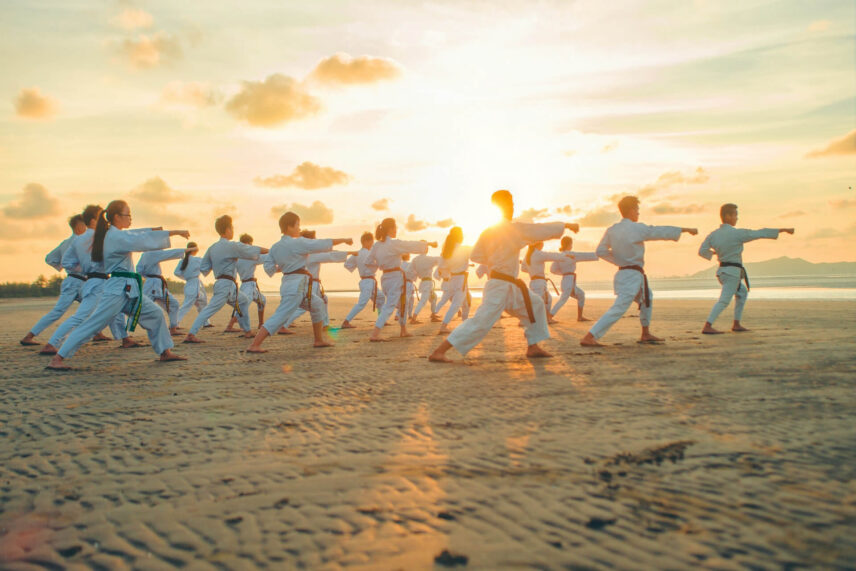
Karate originated in Okinawa, Japan, and was designed as a civilian self-defense system. Over time, many schools shifted toward point-based competition and forms. The most popular style of karate today is Shotokan karate, which is most applicable for self-defense in a street setting.
A karate dojo that includes full-contact sparring, realistic drills and pressure testing can still be effective. One that focuses only on forms and compliant techniques likely will not prepare you well. Karate appears prominently in films like “The Karate Kid,” though cinematic portrayals rarely reflect modern self-defense training.

Comparing Combat Styles
Knowing which style of MA will suit you for self-defense purposes relies on your interest, personal preference, body shape and physical ability.
| Martial Art | Origin | Primary Focus | Core Movements Used | Training Style | Best Suited For |
| Krav Maga | Israel | Threat neutralization and survival | Punching, kicking, elbows, knees, clinch work, weapon defenses | Scenario-based, high stress | Men focused on real-world self-defense and fast skill acquisition |
| Brazilian Jiu-Jitsu | Brazil | Ground control and submissions | Grappling, positional control, joint locks, chokes | Live sparring, technical drilling | Strategic thinkers, smaller or less powerful men |
| Muay Thai | Thailand | Stand-up striking and clinch dominance | Punching, kicking, knees, elbows, clinch control | Full-contact, conditioning-heavy | Men who want striking power and physical resilience |
| Boxing | Ancient Greece | Efficient striking and defense | Punching, footwork, head movement | High repetition, reactive sparring | Precision-focused strikers and beginners |
| Wrestling | Ancient civilizations | Takedowns and positional control | Clinching, throws, takedowns, pins | Intense, physically demanding | Strong, stocky builds or those who want control-based dominance |
| Karate | Japan | Striking and self-defense fundamentals | Punching, kicking, linear movement, blocks | Varies by school — pressure testing is key | Men who value structure and disciplined striking |
How to Choose the Right Martial Art for You
Choosing the best form of martial arts starts with honest self-assessment.
- Clarify your goal: If pure self-defense is the priority, systems like Krav Maga or a mix of striking and grappling make sense. If fitness and confidence matter equally, Muay Thai or boxing may fit better.
- Match your body and temperament: BJJ suits analytical thinkers and smaller frames. Wrestling and Muay Thai reward physical pressure and endurance.
- Be realistic about time: Some arts require years to master. Others offer functional skills within months. Consistency beats intensity.
- Consider gym culture and location: The best style means nothing if you dread training or rarely show up, or if you overtrain and suffer constant pain because you can’t leave your ego at the door. A supportive gym close to home often beats a famous style across town.
How to Approach Martial Arts Training as a Beginner
Starting any martial art can feel intimidating. Focus on fundamentals.
Show up consistently rather than trying to do everything perfectly. Ask questions and accept discomfort as a natural part of the learning process. Strength and conditioning will develop organically through training. Most importantly, leave your ego at the door. Progress comes faster when you stay curious and coachable.
More About Martial Arts for Self-Defense
Is One Martial Art Enough for Self-Defense?
You simply require the foundation of a single style, taught in a practical way that tests you before you need it in an actual life-threatening situation. Real-world self-defense involves striking, grappling and movement. Many men get the best results by starting with one style and later cross-training to fill gaps.
How Long Does It Take to Become Effective at Self-Defense?
You can develop basic, usable skills within a few weeks of daily training. Real confidence and adaptability take time. Progress depends more on the quality and consistency of training than on natural ability.
Should Beginners Focus on Fitness Before Starting Martial Arts?
You develop fitness while training in MA. Starting sooner helps you develop coordination, conditioning and confidence together. You only need a baseline willingness to move, learn and recover.
Build Skill With Purpose
Practical self-defense is not about becoming invincible. It is about awareness, confidence and having reliable options when things go wrong. The most effective martial arts share one trait: they train you for reality, not theory.
Try a class. Watch how people train. Choose the path you will stick with. Capability grows from action, not comparison.