As an Amazon Associate, Modded gets commissions for purchases made through links in this post.
Diabetes is at epidemic levels in America. Millions of people live in a prediabetic state, often without knowing it. Worrying about your risks is understandable, including asking whether you can die from diabetes.
The answer, sadly, is yes, as cases like Alec Smith illustrate. However, this disease is treatable, and many people live normal, healthy lives. How can you thrive despite your condition?
The good news is that your diagnosis need not be fatal. Can you die from diabetes? Yes, but here’s what you need to know to prevent it.
The Two Types of Diabetes
Before tackling the question of whether you can die from diabetes, it helps to know what form of the disease you have. There are two types:
- Type 1 diabetes: is an autoimmune disease where your body attacks the insulin-producing beta cells in your pancreas. As a result, you produce no insulin and require injections to maintain consistent blood sugar levels. This form was previously called juvenile-onset diabetes and can strike people of any age.
- Type 2 diabetes: results when the cells in your pancreas become damaged from stress and overuse. Your body still produces insulin but cannot use it effectively. It’s the most common form of the disease, accounting for 90% to 95% of all cases, and diet and lifestyle factors heavily influence its development.
Both types of diabetes affect how your body manages glucose or sugar. It’s a matter of what causes the underlying disease.
Fortunately, Type 2 diabetes is largely preventable by making lifestyle changes such as losing small amounts of weight and becoming more physically active. Your gym habit isn’t a matter of ego — it’s essential to maintaining your health as you age. Type 2 diabetes occurs most frequently in folks over 45, although today’s sedentary lifestyles have contributed to increasing cases at younger ages.
Complications to Watch When You Have Diabetes
Untreated high blood sugar can damage multiple bodily systems and organs. The short answer to the question of whether you can die from diabetes is yes, although it’s rare for it to occur from a singular catastrophic event. You’re more likely to die from one of the following diabetes complications:
- Eye problems: Diabetic retinopathy refers to the growth of abnormal blood vessels in your eye, which can lead to blindness.
- Foot problems: Untreated high blood sugar slows wound healing and contributes to neuropathy or the loss of sensation in your extremities, making you more injury-prone.
- Heart attack and stroke: Blood sugar fluctuations associated with diabetes damage the heart and blood vessels, making you more prone to coronary events.
- Kidney problems: Diabetes can damage your kidneys or lead to failure, making it impossible for your body to filter toxins from your blood.
- Nerve damage: Diabetes can damage nerve tissue, making it harder for your brain to relay messages to various body parts and vice versa.
- Gum disease: High blood sugar also equates to more glucose in your saliva, leading to bacterial growth. Scientists have implicated the same germs associated with gingivitis in dementia and heart disease.
- Cancer: Having diabetes puts you at an elevated risk of certain cancers, including colorectal, endometrial and breast cancer.
All of the above issues take a while to develop. However, watching them and keeping up with your checkups as your doctor recommends is urgent. Early detection is often your best bet for a cure.
Additionally, you should know that you can die from these acute diabetes complications:
- Diabetic ketoacidosis: This condition occurs when a lack of insulin and high blood sugar lead to ketone buildup.
- Hyperosmolar hyperglycemic state: Occurring only in individuals with Type 2 diabetes who become extremely dehydrated with very high blood sugar.
Both of these conditions require immediate medical attention.

Can You Die From Diabetes? The Statistics
What do the statistics say about whether you can die from diabetes? Here are a few numbers you should know if you are concerned about your health.
1. Approximately 96 Million American Adults Live With Prediabetes
What’s even more shocking is that roughly 80% of them don’t know their risk. This stat underscores the importance of seeing a healthcare provider for an annual checkup. You can also seek low-cost screening clinics at various centers throughout the year.
2. Diabetes is the Eighth Leading Cause of Death in the U.S.
This statistic gives a sobering answer to the question of whether you can die from diabetes.
3. Diabetes Costs $327 Billion Annually
Unfortunately, these costs are often borne by the individual in the United States, despite the fact that Banting, Collip and Best, insulin’s discoverers, sold the patent for $1 and wanted it to be free. The medical costs for people with diabetes are roughly double those without it. Alec Smith is not the only individual to die from rationing insulin he could not afford.
Here’s a look at the deaths related to lack of insulin:
- 2017: Four American lives lost.
- 2018: Four American lives lost.
- 2019: Five American lives lost.
4 Tips for Staying Healthy With Diabetes
What can you do if you’re concerned about dying from diabetes? Here are some healthy lifestyle adjustments anyone can make to reduce their risks.
1. Change Your Diet
In general, you should eat whole foods that resemble their natural forms. The two big no-nos to stay away from are:
- Sugar
- Bleached flour
It’s fairly obvious why you should avoid added sugars. It leads to a rapid blood glucose spike that taxes your body’s insulin-producing cells. However, bleached flour might be even more problematic. Why?
Bleached flour absorbs as quickly as sugar, producing the same glucose spike. Additionally, it contains a chemical byproduct called alloxan that scientists use to destroy the pancreas of lab animals. That makes it a double whammy for your Type 2 risk. Instead, stick to whole grains or choose an alternative flour like garbanzo bean or almond.
Additionally, you might try incorporating keto diet principles into your meal plan. According to research, this diet can lower blood sugar and promote weight loss, two ways to reduce your risk.
2. Get Moving
Physical activity makes your body more sensitive to insulin, helping your body use it more effectively if you are at risk for Type 2 diabetes. In addition, it enables you to shed unwanted pounds, further decreasing your disease risk.

3. Manage Stress
Stress affects your hormones, especially cortisol, which in turn affects the levels of other hormones and neurotransmitters. Engaging in regular yoga, meditation, hiking, art, dance or other meditative activities can help reduce pressure. So can spending relaxing time with family and friends.
4. Check Your Blood Sugar and See Your Doctor
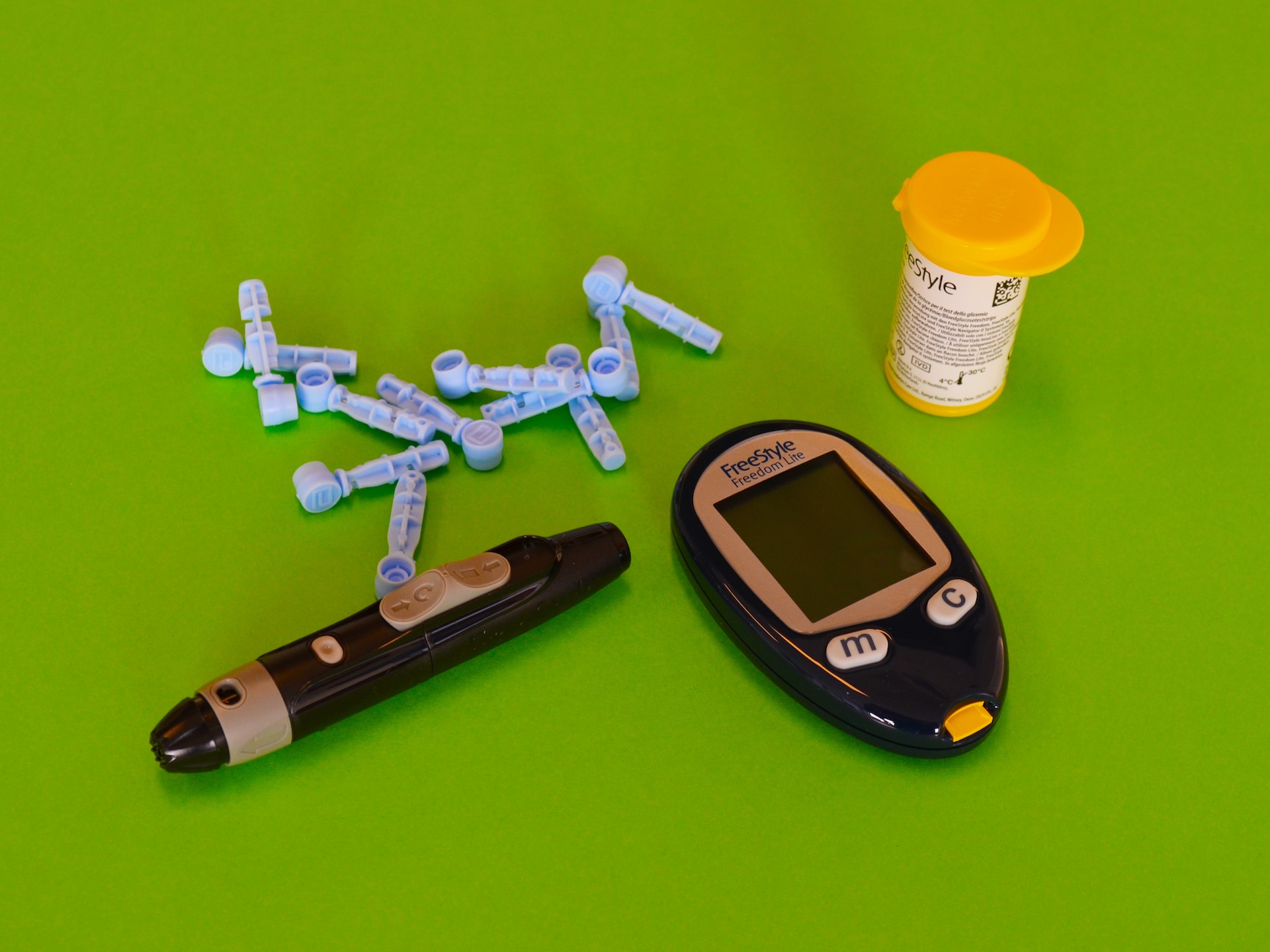
This step is especially crucial if you have diabetes or a family history of the disease. Attending your annual checkups for blood tests and testing regularly if you are identified as having the disease can help you control your blood sugar levels and lead a longer, healthier life.
Can You Die From Diabetes?
Sadly, you can die from diabetes. However, the disease is manageable, and knowing your risks and making lifestyle modifications can decrease your risk of complications.
Follow the above tips to lower your risk of dying from diabetes. You can reduce your risk of developing the disease or better manage symptoms if they occur.