As an Amazon Associate, Modded gets commissions for purchases made through links in this post.
You’ve probably seen derma rollers pop up in every skincare roundup lately, right alongside retinol serums and SPF 50. They look like something from a medieval torture kit, but their promise is the much more modern one of smoother skin, fewer scars and thicker hair. Before you start rolling a spiked wheel across your face, here’s what actually happens when you do.
What Is a Derma Roller?
A derma roller is a handheld device covered with tiny needles, usually a fraction of an inch long. You roll it across your skin and the needles create hundreds of microscopic punctures. These small injuries trigger your body’s natural wound-healing response. Collagen production ramps up, skin starts repairing itself and over time, that process leads to firmer, smoother skin with better texture and tone.
The technique is a scaled-down version of professional microneedling, which works on the same principles but uses longer needles with more controlled depth. At-home rollers sit at the shallower end of the spectrum, which limits how dramatic the results can be, but also limits the risk of real damage when used correctly. If you’re new to building a skincare routine, this is a tool worth understanding before you buy it.
What Derma Rollers Do
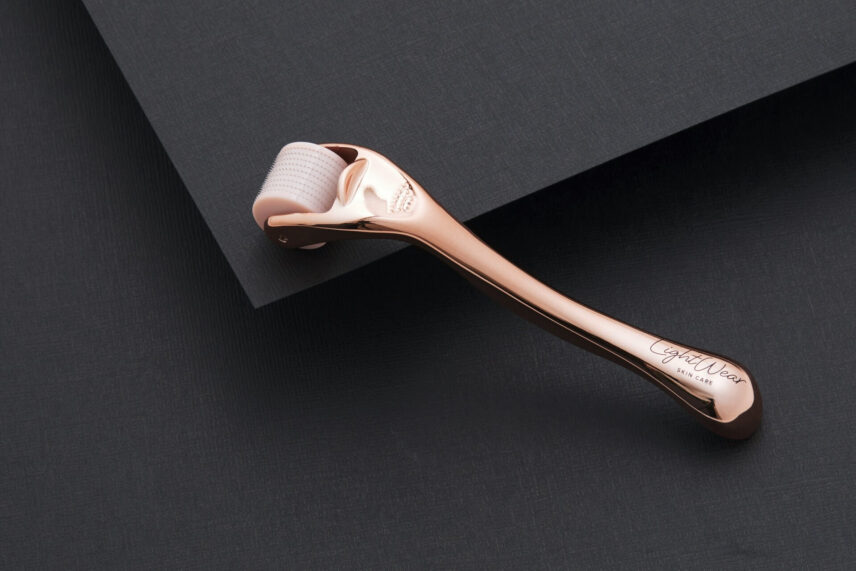
The research on microneedling is encouraging, particularly for a few specific concerns. Collagen induction is the most documented benefit. Research has found that microneedling produces measurable increases in collagen and elastin after multiple sessions. Skin thickness improved, fine lines became less visible and acne scars — particularly rolling scars and boxcar scars — showed improvement. Results weren’t dramatic after one session, but they were consistent.
Absorption of topical products also improves significantly after rolling. The microchannels the needles create allow serums and moisturizers to penetrate deeper into the skin than they would on an intact surface. It’s a similar principle to how shaving cream is most effective when left to sit for two to three minutes before shaving; timing is key. That’s why most dermatologists recommend applying a vitamin C serum or hyaluronic acid immediately after a session, while those channels are still open.
There’s also emerging evidence around hair growth. Several small studies have found that combining microneedling with minoxidil produces better results than minoxidil alone, particularly for men dealing with androgenic alopecia. The needles appear to stimulate stem cells in the hair follicle and increase blood flow to the scalp. Worth noting if thinning hair is somewhere on your radar.
The Limits
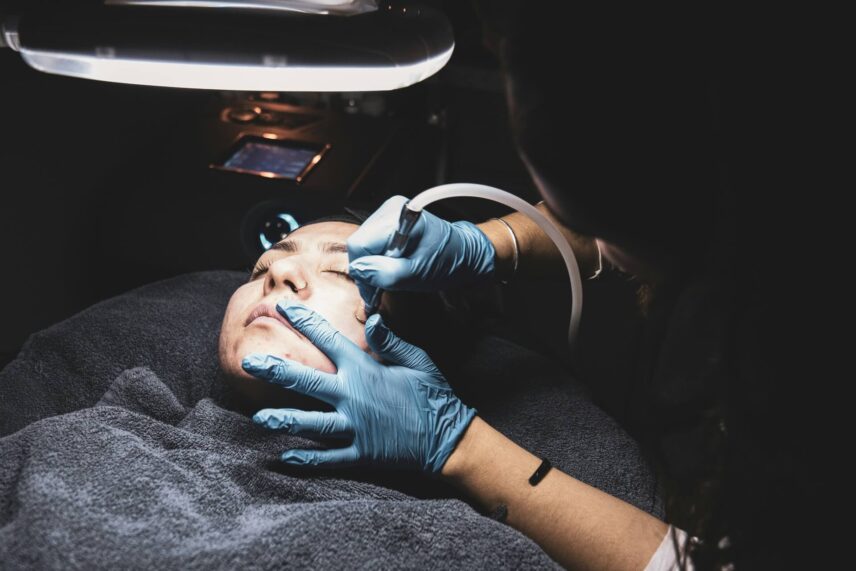
Derma rollers work, but they’re not a shortcut to dramatic skin transformation. Most compelling research uses professional-grade devices with needle depths of a fraction of an inch, administered in a clinical setting. Your at-home roller is doing something similar, but considerably milder. You’re not going to eliminate deep acne scars ot reverse significant sun damage with a $30 roller from Amazon.
Results also take time. Collagen remodeling is a slow process. Most people who see real improvement are rolling consistently for three to six months, not intermittently for 2 weeks. Most people quit before that window closes and they ever get to experience real results.
There’s also a real risk of irritation, especially if you roll too frequently or don’t sanitize your device properly. Dirty needles introduce bacteria, dull needles drag instead of pierce, which causes more tissue damage than benefit and overuse can break down the skin barrier rather than strengthen it. The tools work, the discipline around using it correctly is what separates results from regret.
How to Use a Derma Roller
Needle size matters or than most people realize when they’re starting out. A smaller needle is a reasonable entry point for improving product absorption and general skin texture. A slightly larger needle adds some collagen stimulation without being overly aggressive. Anything too deep being used at home edges into territory that’s better handled by a professional.
Frequency is the other variable most guys get wrong. Rolling every day feels productive, but it’s actually counterproductive. Your skin needs time to recover. Most experts recommend limiting your derma rolling routine to once or twice a week, as more frequent use delivers diminishing returns and past a certain point, starts working against you.
The process itself is simple enough. Cleanse your face thoroughly and then roll in horizontal, vertical and diagonal directions across each area, applying light pressure. Don’t press too hard and don’t drag. Lift and reposition whenever you’re changing directions or locations on your face. Apply your serum immediately afterward while the channels are still open. Follow with a gentle moisturizer and skip active ingredients like retinol or AHAs on the same day, as they can cause significant irritation on compromised skin.
Clean your roller with 70% isopropyl alcohol before and after every session. Replace it every three to four months or sooner if the needles start to feel rough or drag across the skin. A dull roller does more harm than a clean, sharp one.
Are Derma Rollers Worth It for Men?
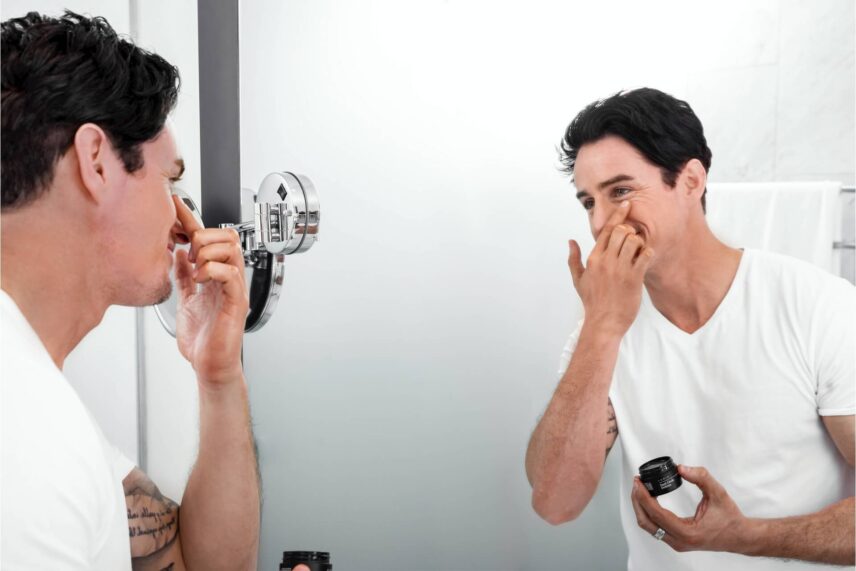
Men’s skin is structurally different from women’s. It’s thicker by 20-30%, oilier and tends to age differently, with collagen loss often becoming more noticeable later but declining faster once it starts. That actually makes microneedling a reasonable fit for the kinds of concerns men typically deal with, as textural issues from sun damage are common, and daily exposure can increase skin cancer risk by 80%.
Acne scarring is one of the more common reasons men look into this. Textural issues from years of rough shaving and inconsistent skincare are another. Rough daily shaving can cause chronic, low-grade irritation that worsens over time. And the hair growth angle is increasingly well-supported by research. If you’re already managing early-stage hair thinning, combining a scalp roller with your existing regimen is worth discussing with a dermatologist rather than treating as a stand-alone fix.
Derma rollers are a legitimate tool. They reward patience and consistency, as do most skincare products that actually produce results.
On a Roll
Derma rollers are worth trying if you go in with realistic expectations. Science backs up collagen stimulation, improved product absorption and moderate scar improvement with consistent use over time. What the science doesn’t back up is overnight transformation or the idea that rolling more often produces better outcomes. Start at home once a week and be patient. If you’re dealing with significant scarring or noticeable hait loss, combine at-home rolling with professional treatment.