As an Amazon Associate, Modded gets commissions for purchases made through links in this post.
The dumbbell-versus-barbell debate rages on from beginners to seasoned gym-goers. Both dumbbells and barbells build strength, but they have pros and cons that can make each one better, or worse, for certain situations and goals.
The answer still isn’t black and white when your objective is to build strength as fast as possible. It can depend on your definition of strength, your goals, how you prefer to train and what your body needs in order to make progress.
What Does “Strength” Mean Exactly?
The definition of strength may seem obvious, but if you ask someone else how they define it, you may be surprised to hear subtle differences in meaning and gym routine requirements. Strength is often categorized into these four types:
- Absolute strength: The maximum weight you can lift regardless of body size, usually in a single rep.
- Relative strength: Strength in proportion to your body size and weight, which is important for gymnastics.
- Strength endurance: How well you can maintain force over time without fatigue or injury.
- Explosive strength: Your ability to generate maximum force in a small amount of time. Explosive strength is as much about how fast you can create strength as how much force, and it’s relevant for box jumps, throwing, sprinting and more.
Why Barbells Usually Build Strength Faster
Heavier Loading Potential
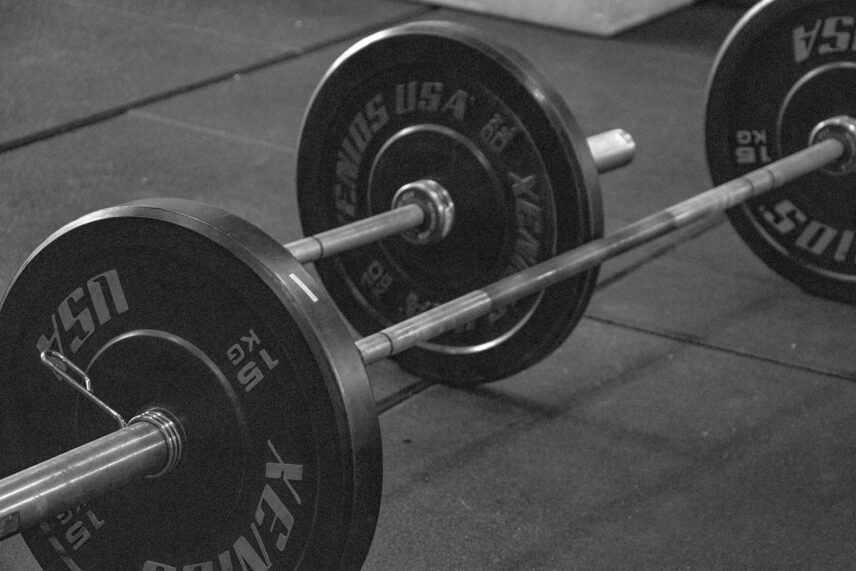
According to one 2011 study, barbells enable you to lift more weight than dumbbells, which is the single biggest factor in strength gains. They accomplish this by offering more stability than dumbbells, thanks to both hands being on the bar. This means you focus your effort purely on moving the weight rather than controlling it through your range of motion.
Easier Progression
Progressive overload is the gradual increase in load to challenge your muscles and is an important part of strength training. Barbells allow for precise, incremental weight increases. This ensures more consistent progression, preventing muscle growth plateaus and reducing the risk of injury.
Compound Lifts
Squats, deadlifts, bench presses and other big compound exercises are easier to add a barbell. Compound movements are important for strength building, as they use multiple muscle groups, ensuring whole-body strength progression. This also makes for more efficient workouts, as you don’t need to target specific muscles with numerous exercises like with dumbbells.
When Dumbbells Are Better

Barbells are generally better for building strength fast, but that doesn’t mean they’re better under all circumstances. There are a handful of benefits to dumbbells over barbells under certain circumstances and for certain goals.
Muscle Balance and Stabilizer Activation
Dumbbells force each side of your body to work independently. This helps correct any strength imbalances barbells can hide. It also forces your body to work harder to stabilize.
Greater Range of Motion
Dumbbells allow for deep stretches and full concentration in many exercises, which is great for improving muscle tone and mass, as well as increasing flexibility. They can also help to prevent some of the most common weightlifting injuries, which include rotator cuff strain, biceps strain, back strain and patellar tendonitis.
Joint-Friendly Movement
Dumbbells feel more natural for some people. They allow your wrists, shoulders and elbows to move more freely, which can reduce strain in some exercises like the dumbbell floor press. This can build a more complete and resilient form of strength, even if your one-rep max isn’t increased as quickly as with barbells.
Safety
Dumbbells are generally safer than barbells, which is a consideration you should never neglect or feel embarrassed about considering. The latter can be dangerous to use when you’re trying to increase your max strength, especially if you are training alone. Dumbbells are easier to safely drop if you fail a rep or have a sudden injury.
Machines offer a safer workout environment than both barbells and dumbbells. Consider using them if safety is a particular concern.
Dumbbells or Barbells for Chest: Which Is Better?
The dumbbells-versus-barbells debate comes up frequently when discussing which is better for upper-body training. A classic barbell bench press is ideal for lifting heavier loads, especially if your goal is to increase pressing strength as fast as possible. Dumbbells have a few advantages for chest training, such as helping you fix muscle imbalances by allowing you to train both sides of the body with the same weight.
Barbells win for strength progression, while dumbbells are better for specific muscle development and joint comfort. Some experts recommend using both, with heavy barbell presses complemented by dumbbell work to round out your training.
How Your Experience Level Impacts the Decision
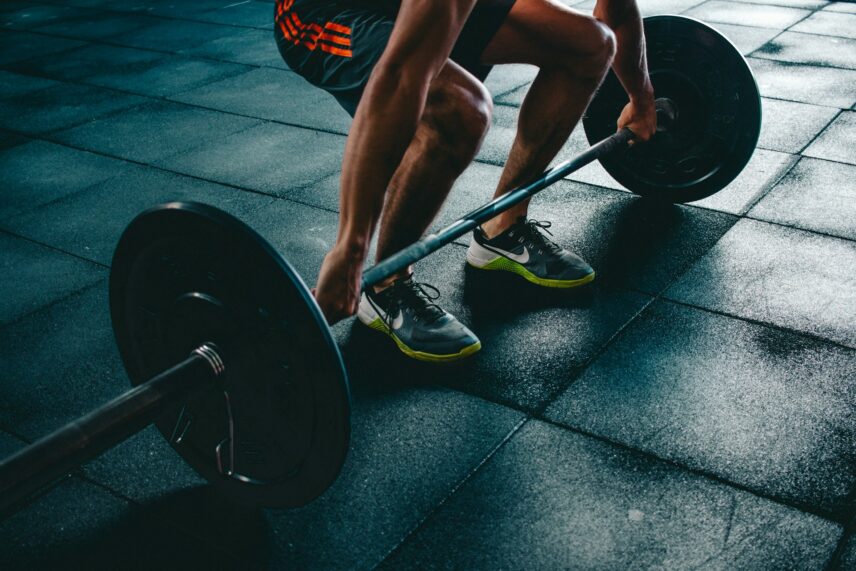
Your gym experience level is another key factor to consider when deciding whether to use dumbbells or barbells for strength progression. It is important that you’re honest about where you’re at and your limitations to ensure you’re making the most of your workouts and progressing the right way.
Beginner
Dumbbells are the recommended starting point, as they are safer and improve coordination. They also don’t have the bar’s weight limit, which is heavy enough on its own. Inexperienced lifters often rely too heavily on one muscle, so be sure to incorporate balanced routines.
Barbells are the fastest way to build a solid strength foundation, though, so you shouldn’t dismiss them entirely at the beginner stage, especially if building strength quickly is your goal. You can get jacked with just dumbbells and hard work, so don’t feel the need to jump straight to barbells.
Ensure you take time to learn the safety precautions for lifting dumbbells and especially barbells. Always have someone with you during barbell bench presses, overhead squats or any other type of barbell exercise that can be dangerous if you drop the bar. It is also important to properly rest at all stages, including the beginner stage, with 24 hours of recovery as the minimum.
Consider working with a coach at the beginning, as they can create a routine tailored to your capabilities and health condition, along with any other needs you may have.
Intermediate and Advanced
Barbells are ideal for strength progression at the intermediate stage thanks to the more stable compound movements they enable, and for their micro-loadability, which allows for steadier progression.
Dumbbells are still important during these stages, though, for safety when training alone and for improving muscle imbalances. Advanced muscle-strength trainers should also regularly change their routine to reduce the risk of plateaus or injuries from doing the same exercise repeatedly.
So, Which Should You Use?
Barbells are the winner when your goal is to simply increase how much weight you can lift as fast as possible. They allow heavier loads, simpler progression and more efficient training. However, dumbbells shine when you’re building strength that is balanced and sustainable.
The smartest approach to the dumbbell versus barbell debate isn’t about choosing one over the other—it’s about knowing when to use each one effectively. Use barbells to maximise your strength gains and dumbbells to improve control and reduce imbalances.