As an Amazon Associate, Modded gets commissions for purchases made through links in this post.
You want results, fast. Gains, definition, PRs are all things you chase, but what if your biggest roadblock is you? Overtraining is a real trap many people fall into when drive overtakes recovery. Find a breakdown of the signs of overtraining, why it messes with more than just your muscles and how to train smarter for long-term gains.
What Is Overtraining?
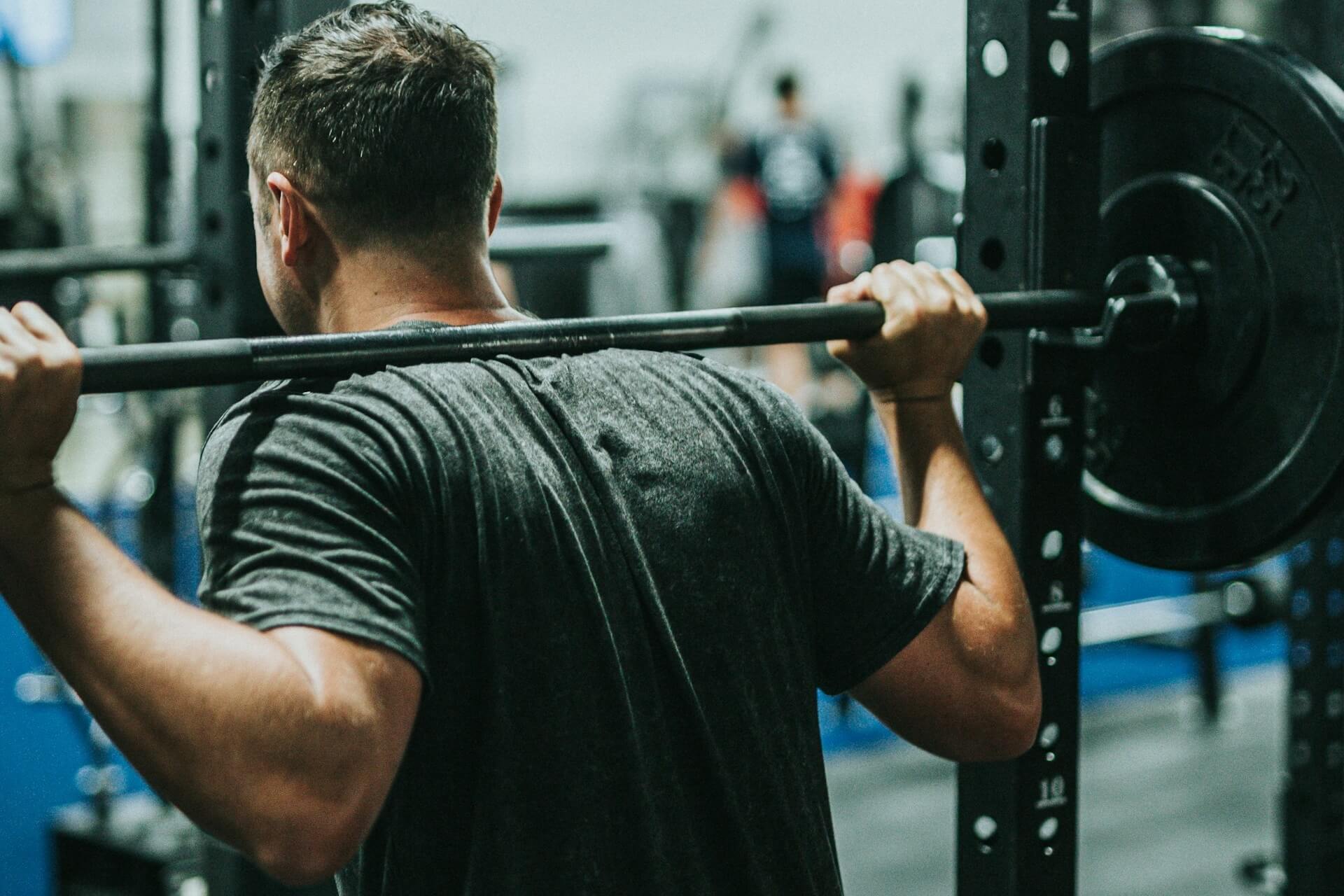
Feeling sore after a good workout isn’t overtraining. Neither is dragging your feet after a leg day. That’s normal fatigue. Overtraining syndrome (OTS), on the other hand, is a chronic state where your body is no longer recovering, even with rest.
It happens when you work too hard without giving your body the time and tools to repair itself. You’re not just tired — you’re depleted. Your workouts feel harder, your sleep is off, and your performance drops. Many high-performing athletes deal with some level of OTS and the numbers are climbing among everyday gym-goers, especially those chasing aesthetic or strength goals without a structured plan.
The kicker is that most people don’t see it coming. Overtraining sneaks up slowly, disguised as dedication. However, pushing through the signs can eventually leave you benched, physically and mentally.
Signs You’re Overtraining
If you think you might be pushing it too far, here are the signs of overtraining and your body is sending out SOS flares:
Physical Clues
- Persistent muscle soreness that lingers for days.
- A sudden dip in strength or endurance.
- Elevated resting heart rate, even at night.
- Trouble sleeping or staying asleep.
- Slower recovery times from minor injuries.
2. Mental and Emotional Warnings
- You’re snappy, anxious or unusually moody.
- Zero motivation to train, even if the gym used to be your happy place.
- Brain fog and lack of focus, even outside workouts.
3. Hormonal Red Flags
- Lower libido or irregular testosterone levels.
- Getting sick more often due to suppressed immunity.
- Fat gain despite working out harder due to cortisol overload.
Overtraining symptoms aren’t always dramatic at first. However, if you’re constantly hitting walls, ignoring your body’s warning lights might eventually cause it to force a shutdown. Many people chalk these signs up to “needing to grind harder,” but that mindset is part of the problem. Real strength comes from knowing when to dial it back.
The Cost of Ignoring Symptoms
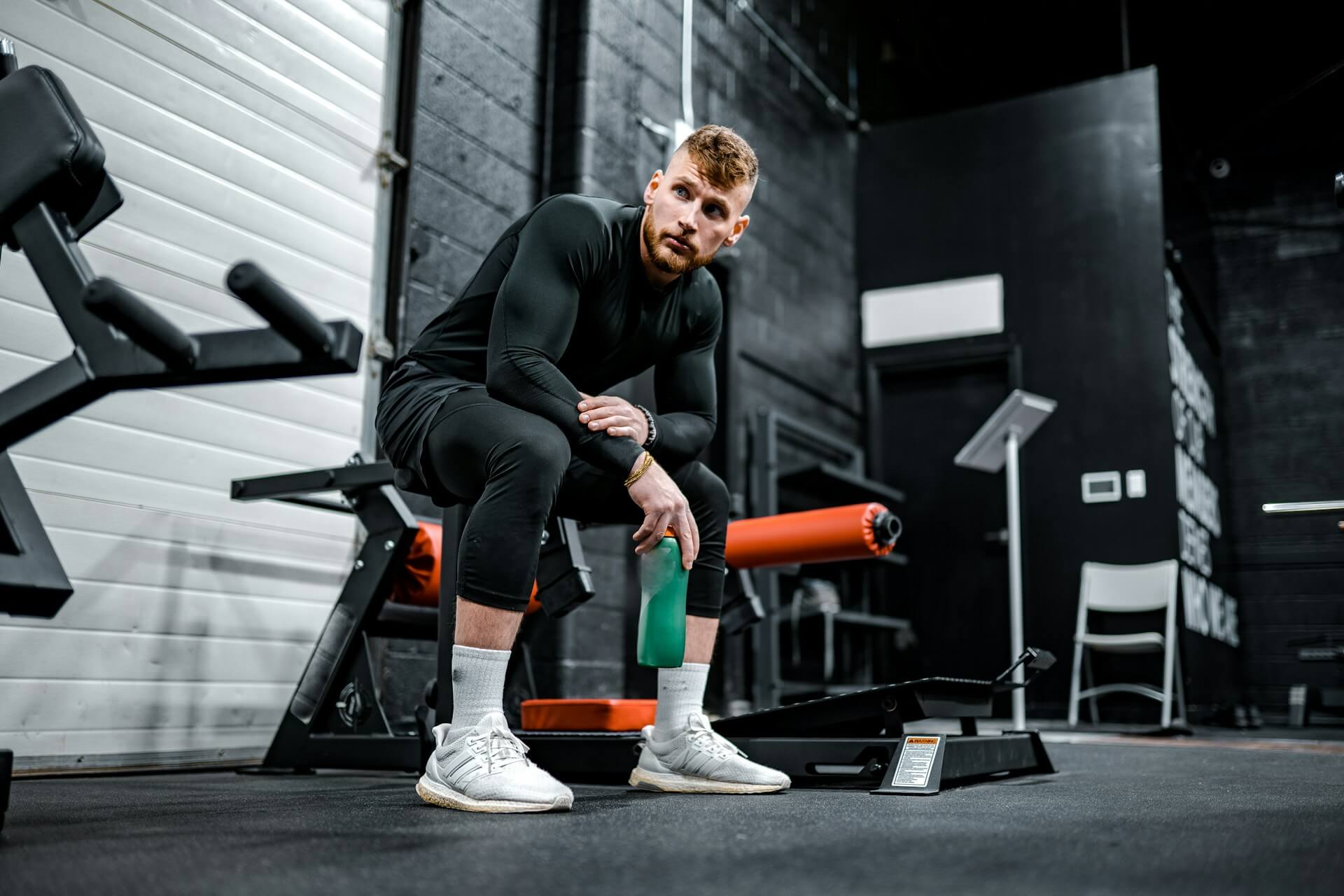
Ignoring the signs of overtraining stalls progress and can sometimes even reverse it. When your muscles, joints, and nervous system don’t get the necessary downtime, you open yourself up to overuse injuries like tendonitis, stress fractures, joint inflammation, and ligament strain.
Even worse than that is that these aren’t injuries that heal overnight. They can sideline your training for weeks or months. It’s not just about the physical breakdown either — your immune system starts to suffer, too. You’ll find yourself catching every cold, dragging through daily life or waking up feeling like you got hit by a bus.
Don’t forget about the hormonal toll — chronically high cortisol levels paired with low testosterone create the perfect storm for fat gain, muscle loss, mood swings and sleep disruption. In short, the gains you worked so hard for will be gone, or at least on pause.
How to Recover from Overtraining
First things first: recovery isn’t weakness. Instead, it’s science. Your top priority is rest if you’re deep in the overtraining zone. Not “active recovery” disguised as a sneaky sweat session, but actual rest. Depending on severity, that might mean skipping the gym altogether for a few days — or weeks.
Once you’ve hit the brakes, here’s how to get back on track:
- Sleep Like It’s Your Job – Your body repairs during sleep. Aim for seven to nine hours and skip the late-night scrolling. Blue light messes with recovery-friendly melatonin.
- Nourish, Don’t Neglect – Undereating is a fast track to burnout. Fuel up with high-protein meals, anti-inflammatory fats like avocado and nuts, and complex carbs. Replenish electrolytes, and consider magnesium or adaptogenic herbs to support your nervous system.
- Active Recovery Once Cleared – After complete rest, ease in with gentle movement — walks, swimming, yoga, stretching. Think flow, not force.
- Periodization Over Grind Culture – Shift your mindset from “beast mode” to “smart mode.” Use a training schedule that cycles intensity and includes deload weeks. Think long game.
- Ask for Backup – If symptoms persist after two weeks of rest, consult a coach, physiotherapist, or sports medicine professional. Getting expert eyes on your training and recovery can fast-track healing and help you avoid falling into the same trap again.
A Weekly Plan for Smarter Gains
So, what does a smarter, recovery-conscious week look like? Here’s a simple example of a seven-day training split that promotes gains without burnout.
- Monday — full-body strength.
- Tuesday — HIIT or conditioning.
- Wednesday — Active recovery like walking, swimming or yoga.
- Thursday — Upper body strength.
- Friday — Mobility and core.
- Saturday — Rest. Like, real rest.
- Sunday — Light movement or recreational training like hiking, surfing or boxing.
This layout balances effort with recovery — that’s when real muscle growth happens. Most people don’t plateau because they’re lazy — they plateau because they don’t let their bodies rebuild. And remember, tracking matters. Keep tabs on sleep, mood, heart rate and energy levels to catch early signs of burnout. It’s not about doing less, it’s about doing what your body needs.
Rest Is a Flex

Many people avoid rest because they equate it with backsliding. But here’s the truth — rest is the most underrated flex in the discipline game. It takes discipline to train, but it takes maturity to pause.
Start viewing recovery not as a timeout but as part of your programming. The strongest people in the gym know when to hold back because they’ve learned the hard way that ego lifting and six-day splits with no recovery are unsustainable in the long run. Ask yourself: Are you training to prove something or to improve something?
Rest Assured
If you’re all gas, no brakes, you’ll eventually crash. Overtraining doesn’t make you stronger, it breaks you down from the inside out. Recovery isn’t the enemy of progress — it’s the gateway. Honor the process. Rest smart, train smarter, and build a stronger body and a more sustainable lifestyle.