As an Amazon Associate, Modded gets commissions for purchases made through links in this post.
“Where can I fly my drone?” It’s a common question new drone pilots wish to learn immediately after purchasing their drone. It’s only diligent to ask the right questions before you start doing anything and avoid hefty fines.
Where Can I Fly My Drone?
Getting into the drone flying hobby can be loads of fun. However, there are certain things you should consider before you even touch the remote control — like knowing where to fly your drone.
Flying drones can look easy enough at first glance, but it’s a massive responsibility. Just because you can pilot your drone doesn’t mean you can fly it anywhere you want. To enjoy your new hobby responsibly, you must research local laws and airspace restrictions set by the Federal Aviation Administration (FAA).
Here are some locations where it’s legal to fly drones.
Your Backyard
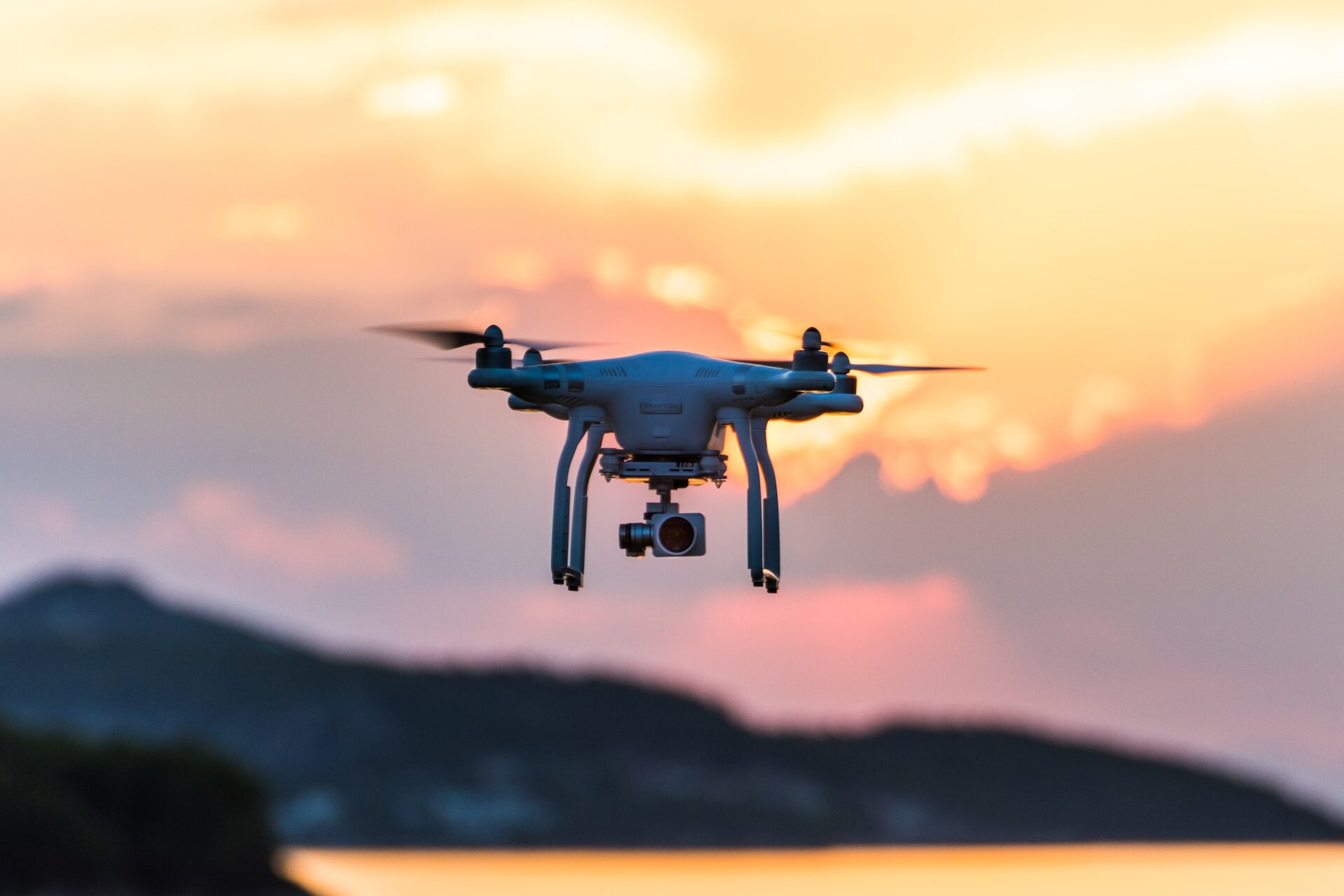
Practicing in your backyard is a great way to fully grasp the basics of drone piloting. You can take off, land and fly within your property line so long as you maintain the 50-400 feet limit. Practicing flying maneuvers in your backyard is considered recreational use, so you’re safe from penalties if you keep your drone activities within your property line.
Bonus Tip: Respect other people’s privacy when flying your drone inside your property. Privacy laws still apply to drones — especially those fitted with cameras — even when you’re flying in your backyard. Avoid taking pictures and videos of your neighbors’ windows — it’s rude and tasteless.
National Forests
While it’s illegal to take off, land and fly in National Parks, it’s safe to do so through National Forests. National Parks and other areas administered by the National Park Service are considered No Drone Zones. This is to enforce natural, cultural and historic resource safeguards in protected areas.
On the other hand, National Forests are safe for pilots if they follow drone flying guidelines set by the US Forest Service. Drones must be flown below 400 feet, avoid surrounding obstacles and steer clear of designated wilderness areas.

Rivers and Coastlines
It’s typically safe to fly over rivers because they are seldom near restricted airspace. You can get cinematic shots of bodies of water and surrounding woods for your albums. If you have an active lifestyle and want to bring home incredible overhead shots, bring your drone and go for it.
Bonus Tip: You can download mobile apps to check whether you’re near a No Drone Zone. B4UFLY, Hover and AirMap are popular among drone pilots and enthusiasts.
Boardwalks
Recreation drone users will be happy to know they can fly over boardwalks so long as they follow the 50-400 feet drone flying rule. You can capture amazing images of the city lights with your drone. If you plan to take nighttime photos with your drone, reading local laws and abiding by FAA regulations about flying drones at night is always a good idea.
Things to Know Before Flying Your Drone
Now that you know where to fly your drone safely, it’s time to learn about vital information you need to enjoy drone piloting responsibly. The FAA requires recreational drone pilots to follow guidelines to promote public safety.
The FAA requires all drone pilots to adhere to the following drone flying guidelines:
- Keep drones in sight during flight. Ask for assistance from an observer if needed.
- Register drones and other UAS if they are between 0.55 lbs and 55 lbs.
- Do not fly a drone or any UAS if it exceeds 55 lbs, including payload, fuel source and total weight.
- Stay away from manned aircraft.
- Fly only in fair weather conditions.
- Avoid flying into clouds or fog.
- Avoid piloting under the influence of drugs and/or alcohol.
- Stay away from non-participants like people and other aircraft.
- Avoid flying over crowded places and moving vehicles.
- Respect other people’s privacy during flight.
There are more guidelines for commercial drone pilots you may want to check if you’re considering flying drones to earn money.
No Drone Zones or No Fly Zones
Flying drones can be risky, especially for beginners. Even seasoned drone pilots can make mistakes, so pilots need to know where they can and can’t fly their drones. No Drone Zones or No Fly Zones are locations where flying drones and other uncrewed aerial vehicles are prohibited.
Restricted Airspace
Specific areas are considered No Drone Zones because flying drones nearby can harm non-participating aircraft and lead to property damages and personal injury. Some restricted and controlled airspace examples include the following:
- Sporting Events and Stadiums: Flying over stadiums is prohibited by the FAA if there is an ongoing sporting event. This restriction covers one hour prior and one hour after the event ends.
- Locations Near Airports: Flying near airports is strictly prohibited as drones can interfere with air traffic control and endanger lives. The FAA recognizes the potential risks of flying drones near airports and aims to lessen them by setting a safety perimeter of at least 5 miles.
- Security-Sensitive Areas: The FAA considers government buildings and military installations critical infrastructure. Drone pilots should steer clear from them if they wish to avoid hefty fines.
- Washington DC: Any area within the 30-mile radius of Ronal Reagan Washington Airport is considered a No Fly Zone for drones. However, pilots with specific FAA authorization can fly within a 15-mile radius inner ring of the area.
Local Restrictions
Drone pilots are generally recommended to check local laws and restrictions to ensure safe flying. B4UFLY is an excellent drone app developed with FAA sources for checking which areas allow flying drones. If you want to be 100% certain you’re following drone regulations in a specific city, supplement your research with app findings.
Bonus Tip: No Drone Zones or No Fly Zones vary by state, city and territory. However, most follow the general rule of no taking off, landing and flying drones in said zones.
Temporary Flight Restrictions (TFRs)
These restrictions only apply to limited periods and are typically in effect whenever an ongoing emergency like car crashes, fires and search and rescue operations occur. These locations become No Fly Zones, allowing emergency personnel to do their duties without drone interference. Federal agencies can also issue TFRs if needed.
Keep It Fun and Fly
Being a drone pilot will open up new opportunities for fun and play, but you must keep up with the associated responsibilities. Follow the FAA guidelines, research local laws and regulations about drone use and get a safety certification even if you’re just a recreational drone pilot. Being responsible is part of the fun equation. Do your part.