As an Amazon Associate, Modded gets commissions for purchases made through links in this post.
You don’t need two weeks off, a flight across the ocean, or an REI credit card to have a real adventure. A micro adventure is a simple, low-cost, short activity that gets you out of your normal routine for some fresh air and a genuine challenge and most of them can be pulled off before Sunday dinner. Here are 10 micro adventure ideas worth putting on the calendar this weekend.
1. Go Geocaching
If you’ve never tried geocaching, this weekend is the time to start. There are more than 3.4 million active geocaches hidden in 191 different countries worldwide, meaning there are almost certainly a few within a mile or two of where you’re sitting right now. All you need is the free Geocaching app on your phone and a willingness to look a little out of place examining rocks and fence posts in public. It’s part treasure hunt, part hiking, and weirdly addictive. Before you head out, brush up on the rules of geocaching to make sure you’re playing it right.
2. Hike a Trail You’ve Never Done
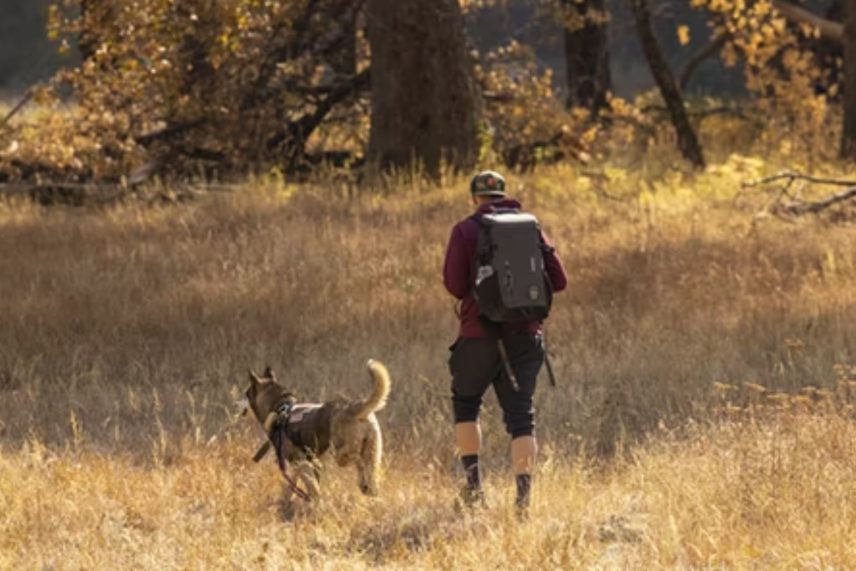
Pull up AllTrails, filter by trails within 30 minutes of you, and pick one you’ve never set foot on. The goal isn’t to summit anything or break a distance record, but to put yourself somewhere unfamiliar. Research consistently links time outdoors to real mental health benefits with research finding that as few as 10 minutes of outdoor exposure improved mental health outcomes in participants regardless of age or gender. Pick a trail with a payoff like a viewpoint, a waterfall, a river crossing and make a morning of it.
3. Sleep Under the Stars
You don’t need to drive hours into the wilderness. A backyard bivvy, a nearby dispersed camping spot, or a simple state park campground is enough to scratch the itch. The goal is to sleep outside, disconnect from screens, and wake up somewhere that isn’t your bedroom. If you’ve never done it before, a car camping setup makes the whole thing low-effort and surprisingly comfortable. Bring exactly what you need and nothing more.
4. Wake Up for a Sunrise Hike
Set the alarm for an hour earlier than you normally would, throw a thermos of coffee in a bag, and get to a trail before the sun comes up. This sounds like punishment until you’re standing on a ridge watching the sky go from black to orange with no one else around. Layer up, bring a headlamp, and pick something accessible rather than ambitious. The reward is the atmosphere, not the mileage.
5. Try a Night Navigation Challenge
Take a trail you already know and do it after dark with nothing but a map and a compass. Or, if you want to make it a proper skill-building session, head somewhere open and learn to navigate by the stars, which is something humans did for thousands of years before GPS made it optional. It’s a surprisingly humbling experience and a genuinely useful skill to have in the bank. Start simple, stay safe, and let someone know your plan before you go.
6. Find a Wild Swim
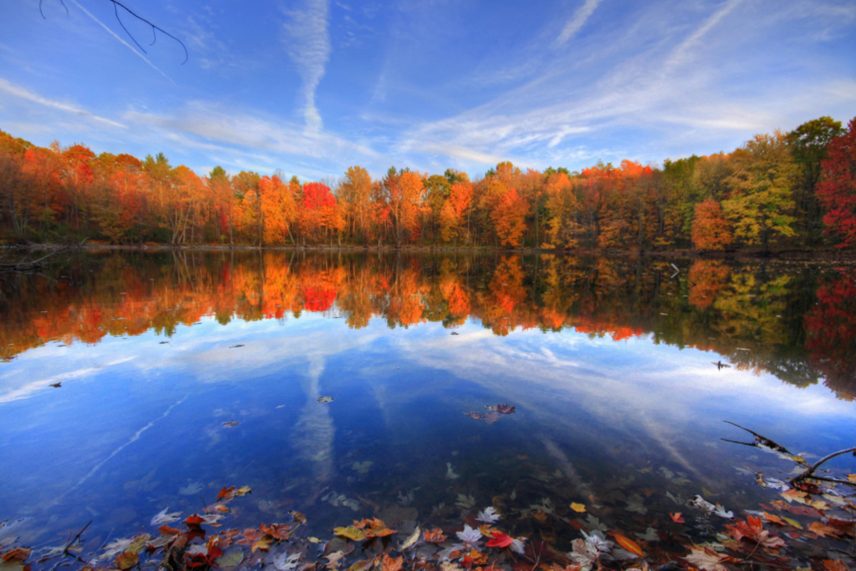
Locate a legal, safe open-water spot and get in. Cold-water immersion has been getting serious research attention lately. A 2025 systematic review analyzed 11 studies involving over 3,000 participants and found that cold-water immersion may lower stress, improve sleep quality, and boost overall quality of life. You don’t need to go full ice-bath mode. Even a cold-lake plunge on a summer morning counts. Check local rules, never swim alone in strong currents, and bring a dry layer for after.
7. Do a Blind Map Road Trip
Open a map of your state. Close your eyes. Point somewhere. Drive there. No agenda, no itinerary, no restaurant reservations. This one sounds chaotic but it’s actually one of the most freeing micro adventure ideas on this list. Cap yourself at a two-hour radius so it stays a day trip, stop at whatever looks interesting along the way, and eat at whatever local spot you can find. You’ll almost always come back with a story worth telling.
8. Go on an Urban Photography Walk
Pick a theme like architecture, street art, reflections, shadows and spend a few hours walking your city or town as if you’re seeing it for the first time. Bring a real camera if you have one, or just use your phone. The theme forces you to look up from the ground and actually pay attention to what’s around you. You’ll be surprised what you find in places you’ve walked past a hundred times without stopping.
9. Learn a Bushcraft Skill in the Woods
Pick one practical skill like fire-starting with a ferro rod, building a basic debris shelter, identifying a handful of local edible plants and go practice it in the woods. Bring a buddy for safety and accountability, and pick something achievable in an afternoon rather than a skill that takes years to master. The point isn’t to become the next Bear Grylls. It’s to spend a few hours outdoors doing something that requires your hands and your brain at the same time. Check out the full guide to bushcraft to know where to start.
10. Bike an Unfamiliar Route

Dust off the bike, pick a trail, path, or country road you’ve never ridden, and cover some ground. Research shows that participation in cycling is associated with lower risk of all-cause mortality, reduced incidence of cardiovascular disease and type 2 diabetes, and positive mental health outcomes. You don’t need to clip in and go full lycra about it. Just pick a direction, set a loose distance goal, pack a water bottle and a snack, and see where you end up. PubMed Central
Adventure Calls
The best micro adventures aren’t the ones with the most gear, the longest drive, or the biggest price tag, but the ones you actually do. Any one of these ideas can turn a forgettable weekend into something worth talking about on Monday morning. So pick the one that sounds the most fun, the most challenging, or the most out of character, and just go. The only bad micro adventure is the one you talked yourself out of.