As an Amazon Associate, Modded gets commissions for purchases made through links in this post.
Men often find a stress-free life appealing due to their mental and physical well-being. The capsule wardrobe is more than a fashion trend — it’s a practical lifestyle shift toward clarity and control. With fewer quality items, you can build a wardrobe that reduces clutter and waste without sacrificing your style. Whether you’re dressing for work, travel or downtime, a capsule wardrobe helps you navigate your day with confidence and minimal effort.
What is a Capsule Wardrobe?
A capsule wardrobe for men is a collection of clothing pieces that can be worn with minimal effort but still look great and stand the test of time. Instead of having several pieces of clothing that rarely get worn, you focus on quality essentials — which are usually around 30 to 40 pieces per season.
These items align with your style and daily needs. This approach helps you focus on strategic buys and prevent wardrobe chaos. The term was popularized in the 1970s by Susie Faux, a boutique owner in London. The theory was later embraced by other designers. Today, its core concept lies in minimalist living. The core principles are focusing on essential items, choosing a few pieces that can match several pieces, and investing in timeless pieces.
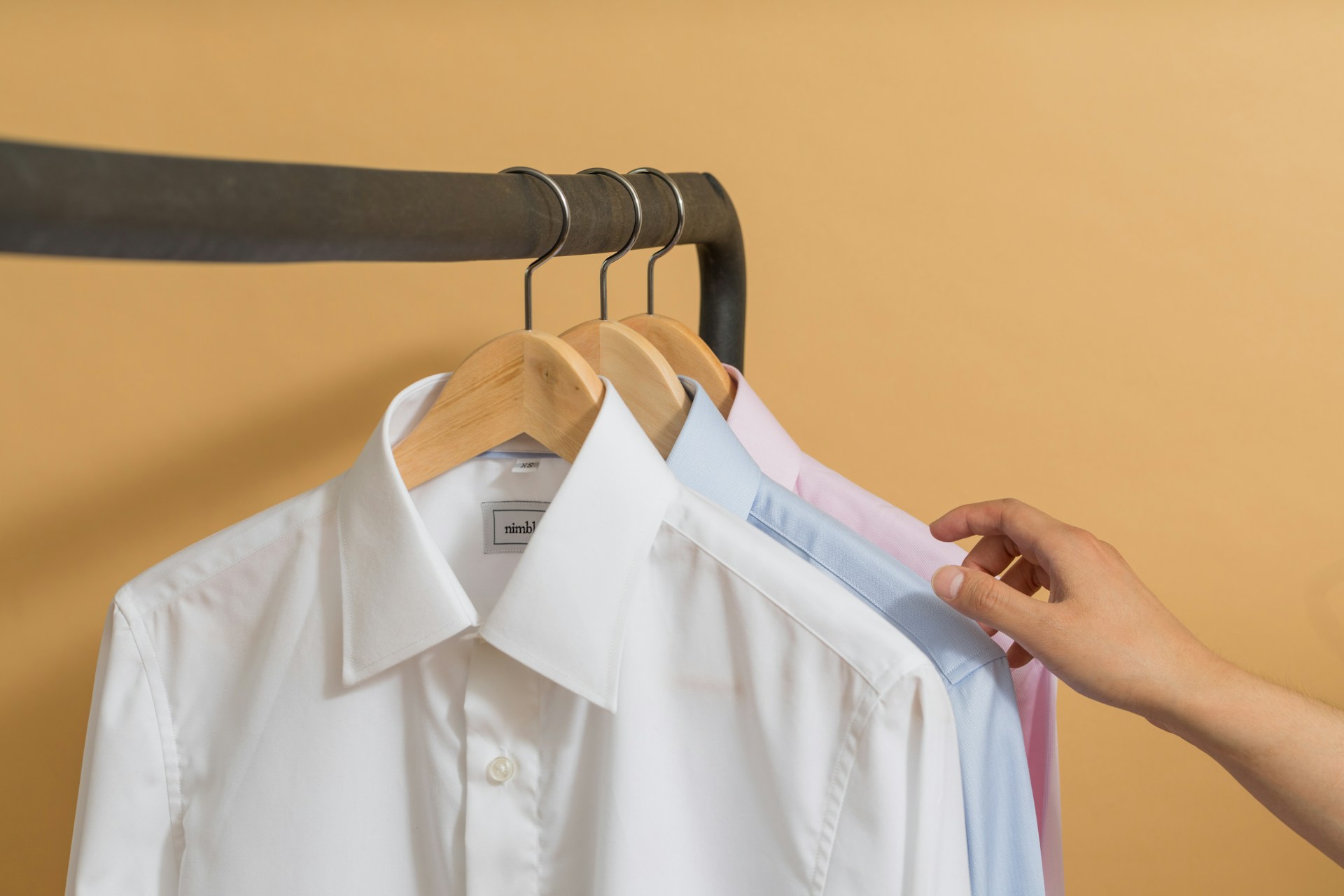
The wardrobe generally includes pieces that don’t go out of fashion, like a white shirt, dark denim jeans, or tailored blazers. The goal is efficiency and making fewer decisions with more cohesion.
Why Men Embrace Capsule Wardrobes
Decision fatigue can lead to poorer choices, but a capsule wardrobe simplifies life and reduces stress and clutter. This wardrobe helps combat poor choices by reducing the daily mental load of deciding what to wear. With fewer, more adaptable and all-purpose options, getting dressed becomes quicker and more intentional.
Fashion trends shift rapidly, but core menswear items like crew-neck T-shirts, chinos, leather boots, and denim jackets rarely go out of style. By focusing on fit, function, and fabric, you can build a wardrobe that works annually. Investing in functional pieces means one blazer is appropriate for smart-casual events and business meetings.
When shopping for clothes, the concept of quality over quantity comes into play. Choose pieces that are thought-through because it becomes sentimental and valuable. With a smaller selection of thoughtfully chosen items, every piece earns its place.
If the fashion industry reduces its overproduction by 10%, emissions will be reduced by around 158 million tonnes in 2030. By focusing on quality over quantity, you invest in clothes that fit well, feel good and stay relevant to you. You’re not chasing trends — you’re defining your own timeless look. A closet capsule reduces your fashion footprint by encouraging mindful purchases, reducing textile waste and extending the lifespan of each garment. Choosing organic cotton, recycled fibers and eco-conscious brands can amplify this effect.
Cost vs. Value – What’s the Connection?
A common misconception is that building a capsule wardrobe is expensive. In reality, it’s about cost-per-war, not cost alone. Buying a $150 pair of jeans that lasts five years is more cost-effective than buying a $40 pair every few months. The same goes for shoes, outerwear and shirts. When you invest in quality and take care of your items, it pays off in durability, fit and long-term savings.
When buying clothes, look for reinforced seams, natural fibers and ethical production practices. The upfront cost may be higher — but you’ll buy less over time — which will save your finances in the long run and ensure you look and feel good.
Build Your Capsule Wardrobe
You can build your wardrobe with four simple steps.
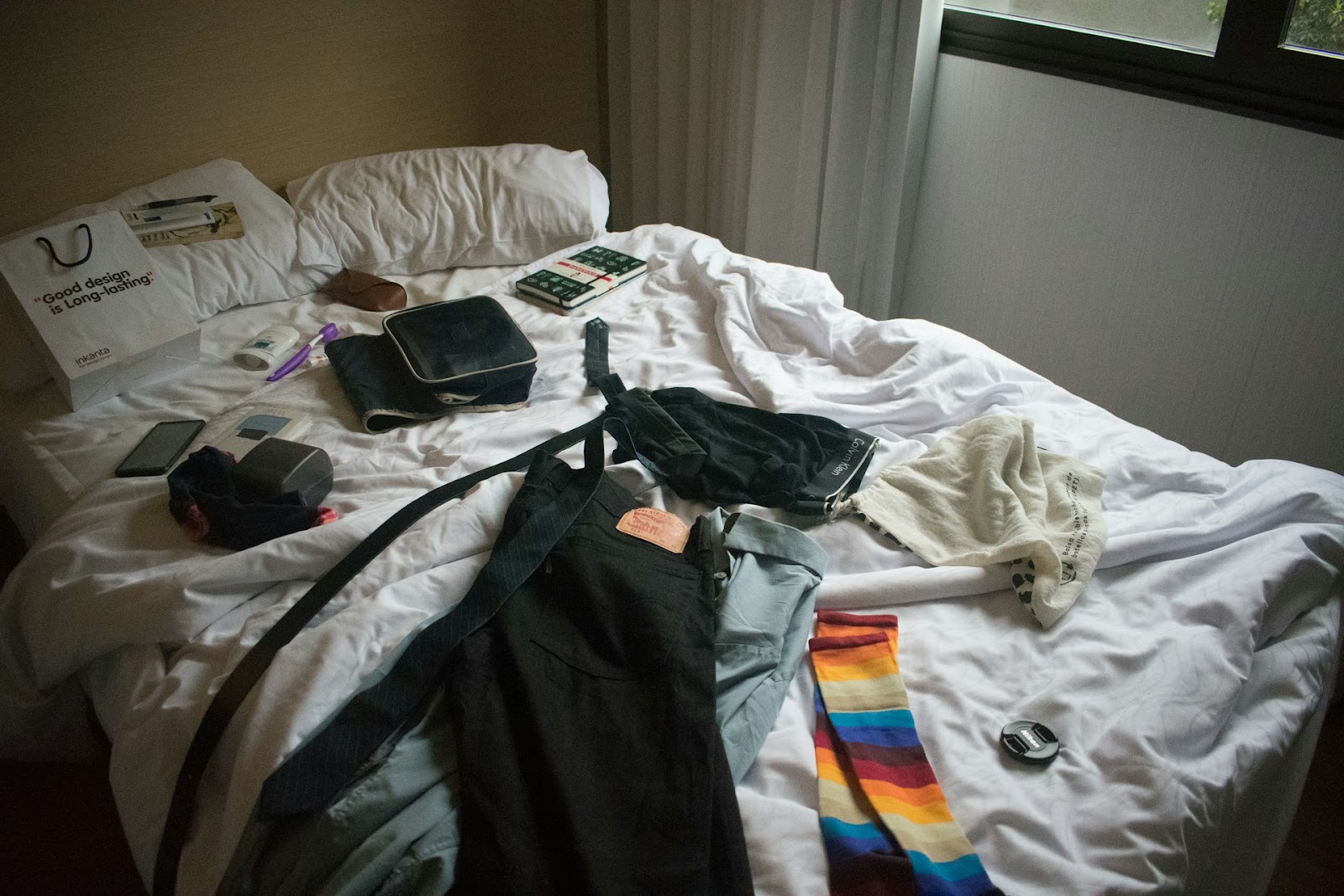
- Step 1: Audit your closet. Start by taking all your clothes out of the wardrobe and separating them into four piles: what you wear often, occasionally, seasonally and never. Identify which clothes are your staples. If you’ve not worn a piece in over a year, it’s likely not part of your capsule wardrobe. Make sure it’s practical pieces. Look at what suits your lifestyle trend and set aside anything that doesn’t align.
- Step 2: Are you primarily office-bound, remote working or outdoors? Choose your items based on your weekly activities. Great foundations are choosing clothes that suit your daily routine and personal aesthetic. Try clothes that have neutral tones and classic cuts. For the office — use button-downs, wool pants and brogues. For causal outings — keep slim-fit jeans, plain tees and sneakers. And lastly, keep chinos, polos and boots for mixed environments. Aim for consistent color palettes like blue, gray, white, olive and tan.
- Step 3: Once you have your style, choose your core pieces. Start with three to four shirts, three T-shirts, two pairs of jeans, two chinos, one blazer, three sweaters, one leather jacket, one coat, two pairs of footwear and accessories like belts that match all your clothing choices. Focus on maintaining quality over quantity.
- Step 4: Now you have quality items that complement your style. The last step is to let the other pieces go. Store seasonal wear like thick winter coats and more. Donate or recycle your clothes to help the economy or someone in need.
Maintain Your Closet Capsule
After building your capsule closet, maintaining it is where the real work comes in. It’s believed that it takes 21 days to form a habit but there’s no set amount of time. Stay motivated using these three methods:
- Choose new clothes every season: Reassess your closet at the beginning of every season. Rotate items and choose clothes based on the weather and your lifestyle changes. It’s ideal to keep a few seasonal items in storage to swap when needed.
- One-In, One-Out rule: If you buy a new item, donate or sell a current one. This maintains balance and keeps your wardrobe clutter-free.
- Care for your clothes: Extend the lifespan of your garments by following the proper care instructions — try cold washing, air drying and repairing minor damage like loose buttons or torn seams.
Dress With Purpose and Live With Intention
A capsule wardrobe gives you the freedom to focus less on what to wear and more on how to wear it. With a curated selection of timeless, high-quality pieces, you can streamline your routine, reduce waste, and cultivate a timeless personal style. Start with what you own and add with intention.