As an Amazon Associate, Modded gets commissions for purchases made through links in this post.
Losing body fat while keeping your hard-earned muscle isn’t about doing more, but rather about doing things better. Too many people approach a cut by slashing calories, doubling their cardio and hoping their strength holds on, but it usually doesn’t. When fat loss is done poorly, performance drops first. Recovery follows and the muscle slowly starts to disappear.
But when you do it strategically, you can step out of a fat-loss phase looking tighter, stronger and more defined, not smaller and depleted. The difference comes down to how you manage training, nutrition and recovery. Here’s how to do it right.
- Don’t Slash Calories Aggressively
The biggest mistake lifters make during a cut is creating too large of a deficit too quickly. Yes, the scale will move. But so will your strength, just in the wrong direction.
When calories drop dramatically, your body doesn’t just pull from fat stores. It also breaks down muscle tissue, especially if recovery is compromised. Research shows that moderate deficits are far more effective at preserving lean mass during fat-loss phases.
A smarter approach is slower and more controlled. Aim to lose around 0.5% to 1% of your bodyweight per week. Start with a 100-200 calorie deficit and only adjust if progress stalls for a couple of weeks.
- Keep Protein High
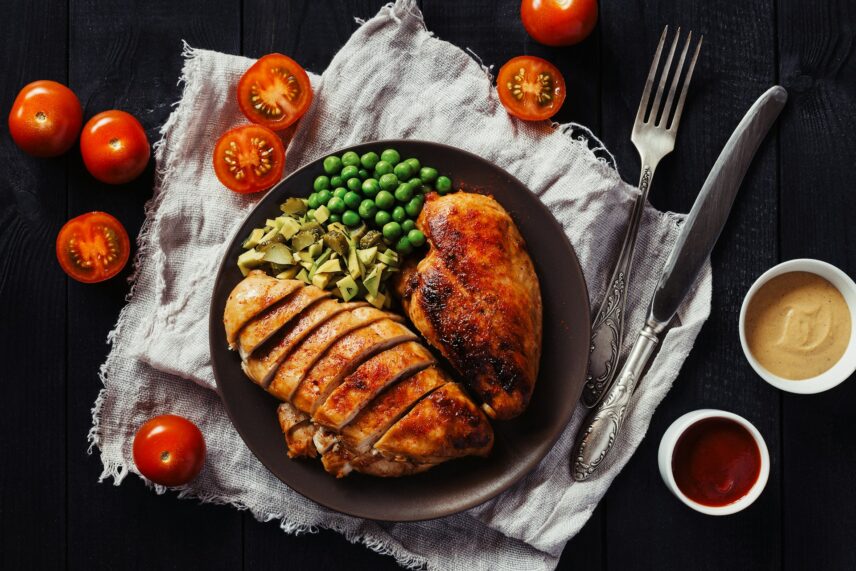
If calories are going down, protein needs to go up, or at the very least, stay high. During a deficit, your body is in a more catabolic state. That means it’s more prone to breaking down tissue. Adequate protein intake helps counteract that by stimulating muscle protein synthesis and reducing muscle breakdown.
For most lifters, 0.7-1 gram of protein per pound of body weight works well. What matters just as much as the total amount is consistency. Spread it across your meals instead of loading it all at dinner. This creates multiple opportunities throughout the day to support muscle maintenance.
Quality matters, too. Lean meats, eggs, dairy or complete plant-based sources provide the amino acid profile your body needs to hang onto muscle while body fat decreases.
- Keep Lifting Heavy
Your body adapts to the demands you place on it. Remove the demand, and it removes the adaptation.
Switching to light weights and endless high-rep circuits during a cut sends a subtle but clear message that strength is no longer required. If strength isn’t needed, muscle becomes expendable.
Instead, keep intensity relatively high. Compound movements should remain the foundation of your program. Squats, presses, deadlifts and rows all create the stimulus that signals your body to preserve muscle tissue.
You may not hit personal records every week while dieting and that’s normal. The goal during a cut isn’t aggressive progression, but rather strength maintenance. Holding your numbers steady is a win.

- Be Smart About Cardio
Cardio has its place in a fat-loss phase, but it should complement your lifting, not compete with it. Excessive cardio increases fatigue and interferes with recovery. When recovery drops, training quality drops. And that’s when muscle retention suffers.
Start conservatively. Two to three moderate sessions per week are often enough to increase calorie expenditure without overwhelming your system. Low-impact options like incline walking or cycling are especially useful because they add output without excessive joint stress.
If you enjoy high-intensity intervals, keep them short and sweet. Place them away from heavy lower-body sessions to protect performance. Remember, nutrients should drive fat loss, but cardio supports it.
- Fuel Performance With Clever Carb Timing
Carbohydrates are often the first macro people cut. Unfortunately, they’re also the primary fuel source for high-intensity lifting. Without adequate glycogen stores, performance suffers and muscle retention becomes more difficult.
Rather than eliminating carbs, position them strategically. Eating carbs before training improves energy and output. Including them post-workout supports recovery and replenishes glycogen stores.
On rest days, you can slightly reduce intake if needed, but on training days, fuel the work. Preserving strength requires energy.
- Prioritize Sleep Like It’s Part of Your Program
Sleep is muscle protection. Insufficient sleep during calorie restriction increases the proportion of weight lost from lean mass rather than fat. Make seven to nine hours of sleep per night nonnegotiable. Consistent sleep improves hormone regulation, appetite control and gym performance. When sleep suffers, hunger increases, recovery declines and willpower weakens. If you’re serious about keeping your gains, protect your sleep as fiercely as your training.
- Manage Stress to Support Hormonal Balance
Dieting is already a physiological stressor. Layer intense training and life stress on top and cortisol levels can remain elevated for extended periods.
Chronically high stress can impair recovery, increase muscle breakdown and make fat loss feel stagnant. While you can’t eliminate stress entirely, you can manage it. Try these simple habits:
- Daily walks outdoors
- Brief breathing exercises
- Limiting late-night screen exposure
Even a few minutes of intentional relaxation can lower systemic stress and support recovery.
- Track Strength, Not Just Body Weight
The scale tells you how much you weigh, but it doesn’t tell you what you’re losing. Daily fluctuations from water retention, sodium intake and glycogen shifts can mask real progress. However, strength trends are much more revealing.
If your main lifts remain relatively stable over several weeks, you’re likely preserving muscle. If they’re declining rapidly, your deficit might be too aggressive. Take progress photos under consistent conditions, measure your weight and monitor your performance. These indicators paint a clearer picture than the scale alone.
- Don’t Crash Your Dietary Fat Intake
While protein and carbs often get the most attention, fats quietly support hormonal health. Extremely low-fat diets can negatively impact hormone production, including testosterone and other anabolic hormones involved in muscle maintenance. Over time, this can reduce energy, recovery capacity and training output. Include foods like eggs, fatty fish, nuts, seeds and olive oil to maintain balance while reducing calories.
- Use Structured Diet Breaks
Long dieting phases can lead to metabolic adaptation. Energy expenditure decreases, training feels heavier and motivation dips.
Strategic diet breaks — one to two weeks at calculated maintenance calories — can help restore glycogen levels, improve training performance and reduce psychological failure. This isn’t an excuse to overeat, but rather a controlled increase designed to support long-term adherence and muscle retention.
- Hydration Impacts More Than You Realize
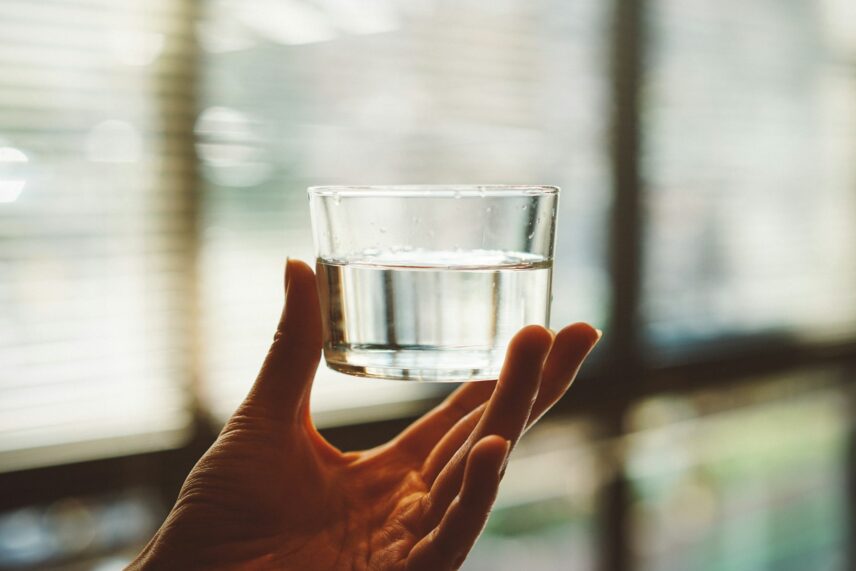
Muscles are largely composed of water, and even mild dehydration can reduce strength output and increase perceived effort. When performance dips because of poor hydration, stimulus quality drops and muscle preservation becomes challenging. Drink water consistently throughout the day, not just during training.
- Be Patient, Muscle Preservation Takes Time
This may be the most important principle of all. Rapid fat loss often sacrifices muscle. Slow, strategic fat loss protects it. The most impressive physiques aren’t built through extreme phases, they’re built through disciplined, measured ones. If your strength is holding steady, your energy is manageable and your body composition is gradually improving, you’re on the right path.
Stronger, Leaner and Still Lifting Heavy
At the end of the day, fat loss shouldn’t erase the work you’ve put in. It should reveal it. When you approach a cut with strategy instead of extreme, everything changes. Your strength stays more stable, your workouts stay productive and your body gradually tightens up without looking flat or depleted.