As an Amazon Associate, Modded gets commissions for purchases made through links in this post.
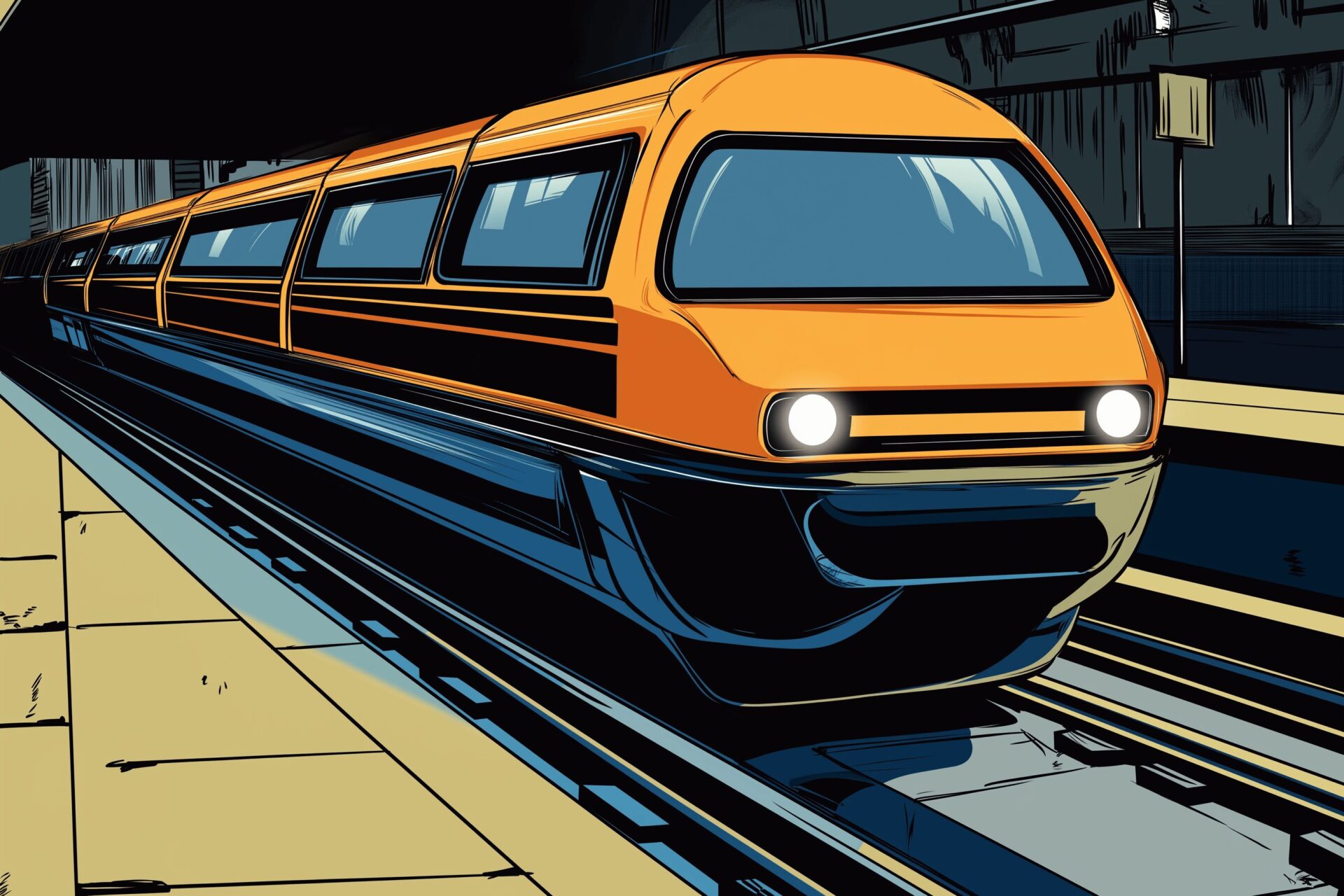
Technology constantly expands, and the world looks for better ways to go farther and faster. Magnetic levitation technology, or maglev for short, is one result of this drive toward more efficient future transit.
While levitation technology hasn’t entirely made the promised impression, it’s proven to be a giant steppingstone away from traditional combustion engines. E-cars have shaken the automotive market in a big way, so are maglev cars next?
How Maglev Technology Works
At school, you learned that magnets of equal force and polarity repel each other, which is the core of maglev technology. Two opposing magnets, one on the train and one on the tracks, push each other a certain distance apart, creating a levitation effect. With this hovering system, there’s no need for wheels, engines, or other parts that wear out with friction in regular rail or road transportation.
Two main types of levitation technology are in use:
- Electromagnetic Suspension (EMS): The magnets attract each other to lift the train to a rail above the track. Much like your fridge magnets stick to the steel door, this type of lift happens because the magnet on the train roof pulls it toward an overhead rail.
- Electrodynamic Suspension (EDS): Two magnets push against each other, and designers use superconducting magnets to lift heavy loads, such as trains, off from a magnetized rail on the ground.
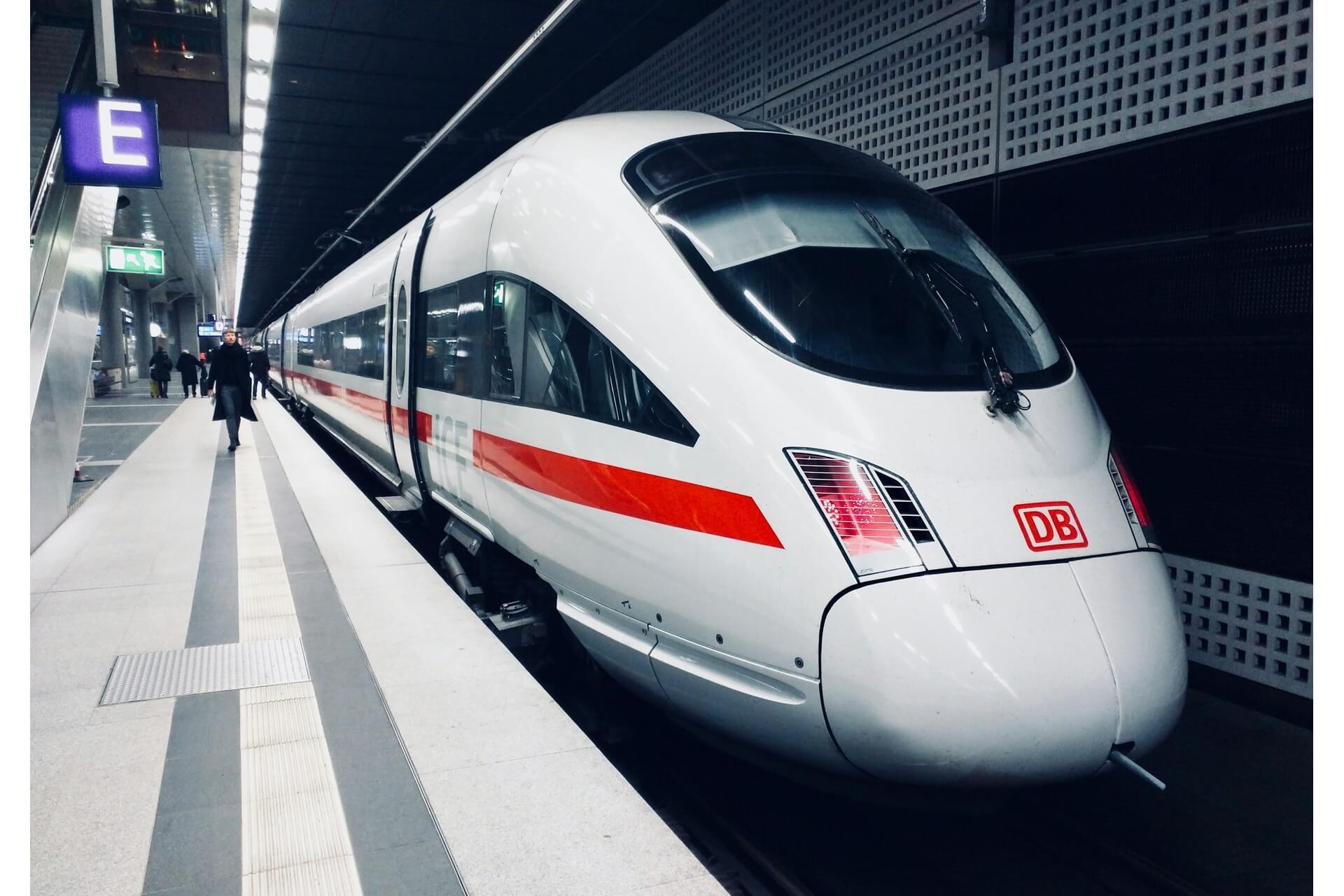
Alternating electrical current generates the magnetic polarity of the trains’ coils. A maglev train slowly lifts into place and only achieves maximum lift at higher speeds, so when it travels at slower than 100 miles per hour, it engages wheels that keep it on a traditional track.
As the magnets induce acceleration, the train lifts off the conventional track into a suspended mode, reaching speeds over 310 miles per hour while hovering or hanging 0.4 inches to 4.9 inches above the ground or track.

Who First Invented the Maglev Train?
Since American engineer Emile Bachelet patented maglev technology in 1910, there have been some disputes about who invented levitating trains, but Bachelet holds the patent rights for the basic technology. However, with the industry’s growth potential, you could soon drive an EMS or EDS vehicle.
Pros and Cons of Maglev Transportation
Is maglev the technological cure to the world’s transportation woes? Here are a few pros and cons to think about.
Pros of levitation transportation:
- Top speeds: These magnetic trains travel incredibly fast, allowing for speedier delivery times or improved passenger transit between destinations. With over 2.2 billion tons of cargo shipped annually, speed matters.
- Silent and smooth travel: These trains use wheels only for part of travel, so they reduce friction and traditional train noises and vibrations during suspension.
- Energy efficiency: The magnetic system requires no combustion fuel, so energy efficiency is advanced plus the system has minimal wear and tear.
Challenges of levitating or suspension trains:
- The technology is costly: The system uses unique components and infrastructure, which amount to billions of dollars.
- It’s not as popular as standard electrical trains: Only a few countries like China use this technology, with limited use in Europe.
- High initial energy load: Constructing and manufacturing the components requires massive energy and raw material investments, making setting up costly and energy-intensive.
The Future of Maglev Vehicles
These magnetic trains aren’t exactly taking over the world, but can maglev be used for cars? Transport officials in China’s Jiangsu province think so. In September 2022, a road test by Southwest Jiaotong University hit the nail with eight vehicles reaching speeds over 142 miles per hour using maglev technology.
The test design used magnetic conducting rails on the road. Still, other concept cars are approaching the idea of a levitating car with unique designs, including wheels powered by two rotating magnetized rings to generate propulsion. It may sound like something from the next Steven Spielberg movie, but the levitation vehicles could outrace e-vehicles quickly. EMS or EDS vehicles are also less dangerous than electric cars, which have an increased fire risk from combustible batteries.
Once designers can perfect levitation drive technology, these cars could be cheaper than electric cars. Perhaps an alternative use for levitation drive is to set up bus lanes with magnetic public transportation that could become fully automated, eliminating the current 10-hour drive time limit imposed on drivers.
The Future Challenges to Magnetic Cars
A few future challenges to levitating cars include:
- Enforcing the speed limit: Because these “flying cars” don’t contact the road surface, there’s less friction, and the top speeds of the first levitation cars in China were already more than double what most highways allow.
- Infrastructure overhaul: The only reason levitating cars aren’t already zipping around the globe is the same challenge that maglev trains face — the initial infrastructure.
- Initial cost outlay: The most proven magnetic levitation concept involves a rail or guidance system on the road surface, and the costs of changing existing roads for flying currently outweigh investor interest.
- Fixed routes: Since a rail-guided mag car can only travel where there is a rail on the road, it would require a backup or hybrid engine that lets it use regular roads when there aren’t any magnetic-friendly ones. The hybrid mode would require traditional tires, which could need replacing every 6,000-7,500 miles, negating the eco-friendly aspect of these vehicles.
- Sharing the road with other cars: Another concern is integrating levitating cars with traditional or electric vehicles into a road system. Compatibility issues may result in specific lanes designated for magnetic cars, which challenges current conventions.
Eco-Friendly Alternatives to Maglev Technology
Maglev trains require a substantial land footprint for new rails, making these less environmentally friendly to initialize. Operational costs to the environment are minimal once set up, but that initial infrastructure phase would severely impact ecological systems. Are there any more eco-friendly alternatives to maglev transportation technology?
These are the more viable options to consider for the immediate future:
- Hybrid trains: Trains that use a hybrid system of electrical and backup diesel fuel engines are feasible as they use renewable energy and can easily integrate into existing infrastructure.
- Hydrogen-powered transport: Following the initial flurry of electric cars, hydrogen-powered engines are gaining popularity. Cars, trains and trucks that run on these powerful fuel cells could soon dominate the road, producing only water vapor instead of regular gasoline emissions.
- Energy-efficient rail cars: Trains still produce the lowest amount of pollution of all public transportation modes, so upgrading to energy-efficient coaches and locomotives can really help reduce rail transit’s carbon footprint.
The Road Ahead
Magnetic levitation transportation is a glimpse at what the future of transit could hold. Levitating trains are fast, efficient and sustainable — once built. Whether a flying, magnetized car is next remains to be seen. Until engineers can resolve the final shorts and kinks to make the dream of a flying car a reality, you may have to opt for an electric vehicle or travel by foot to the nearest train station to reduce your carbon footprint.