As an Amazon Associate, Modded gets commissions for purchases made through links in this post.
There’s nothing quite like waking up to a sunrise you earned. No campground neighbors revving generators at dawn. No reservation fees. No rules about quiet hours because you’re miles from anyone who’d care. That’s the appeal of boondocking – the freedom to set up camp wherever public land and your sense of adventure intersect. It’s a level of independence that’s drawing more people off the grid every year.
The numbers tell the story. By 2023, 44% of all camping nights took place in off-grid settings. Boondocking’s popularity more than doubled in just one year. But here’s what those statistics don’t mention – most first-timers make the same handful of mistakes. The good news is that you can skip the learning curve entirely. This is your insider’s guide to doing it right the first time.
What Is Boondocking?
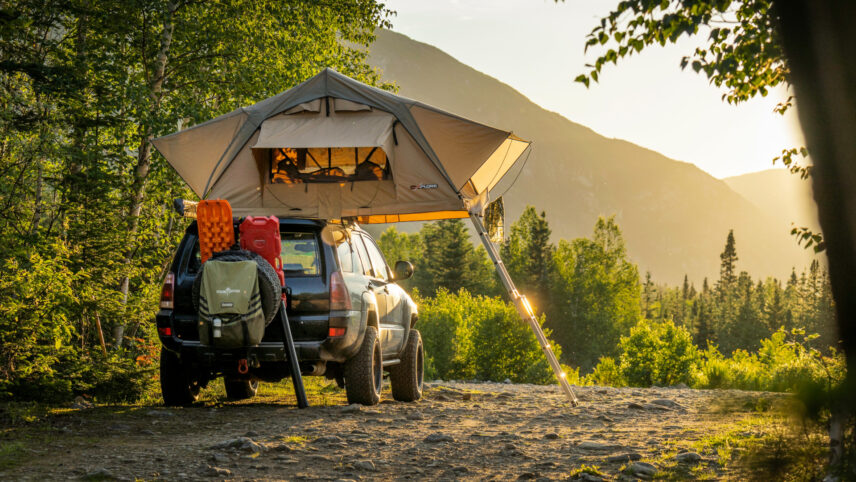
Boondocking means camping without any hookups – no water, no electricity and no sewer connections. You’re completely self-contained. While the term technically covers tent camping too, it’s most commonly used to describe sleeping in your vehicle or RV. Think of it as the difference between staying at a hotel and wild camping in your rig.
You might also hear terms like “primitive camping” or “dispersed camping” tossed around. Here’s how they compare:
- Boondocking: Camping without hookups, usually in an RV or vehicle.
- Primitive camping: Camping with minimal or no facilities, can include tent camping.
- Dispersed camping: Camping outside designated campgrounds on public lands.
The terms overlap quite a bit. What matters most is understanding that you’re responsible for your own power, water and waste management.
Is Boondocking Illegal?
Boondocking is perfectly legal in designated areas, particularly on public lands managed by the BLM and in national forests. The Bureau of Land Management follows a straightforward rule – dispersed camping is allowed unless an area is specifically posted as “Closed to Camping.”
Stay limits keep public lands accessible to everyone while preventing anyone from setting up permanent residence. These restrictions vary by location, but they’re designed to balance your freedom to camp with the need to share these spaces. Check the specific regulations for your chosen area before you head out.
Now that you know what boondocking is and where you can legally do it, let’s talk about what actually goes wrong. Understanding the rules is one thing. Executing a successful trip is another. Most beginners stumble over the same six obstacles.
Mistake #1: Assuming Your Rig Is Ready Instead of Doing a Shakedown Run
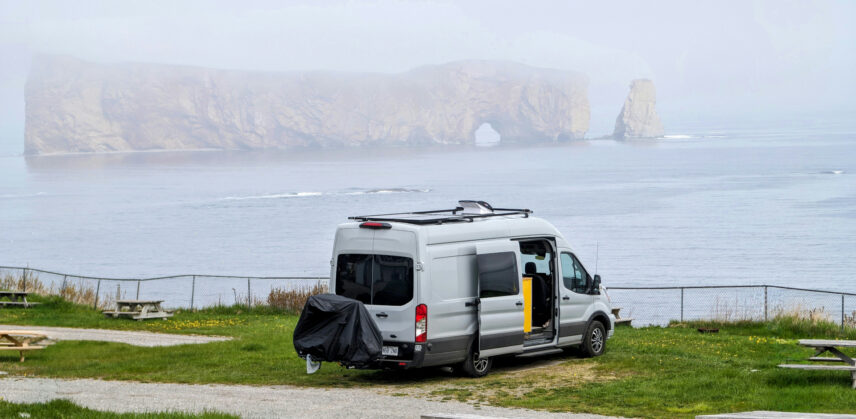
The rookie assumes everything works. The pro verifies. A shakedown run is a short, local trip where you test every system off-grid before you head somewhere remote. You can do this in your driveway or at a nearby spot where help is just a phone call away.
What you’re testing:
- Battery capacity: Do your batteries actually hold a charge? How long do they last with typical use?
- Water consumption: How fast does your tank drain with normal washing, cooking and drinking?
- Solar efficiency: Does your solar setup keep up with your power draw or do you need more panels?
- Waste capacity: How quickly do your grey and black tanks fill up?
- Equipment function: Do your water pump, fridge and lights all work as expected?
Run everything for 24 to 48 hours without plugging in. You’ll discover what needs fixing while you’re still close to home and a hardware store.
Mistake #2: Choosing a Spot Blindly Instead of Doing Proper Recon
Impatience is expensive when you’re boondocking. The best spots require research. You want to arrive knowing exactly where you’re going, what the access road looks like and whether your rig can actually fit there.
Start with satellite views on apps like Google Earth. Check for turnaround space if you’re towing. Read reviews on multiple platforms – iOverlander, Campendium and The Dyrt all offer user reports on road conditions and site quality. Always have backup locations in case your first choice is occupied or inaccessible.
Arriving before dark is nonnegotiable for a first-timer. You need daylight to assess the site, level your rig and identify any hazards. Showing up after sunset is asking for a long and frustrating night.
Mistake #3: Forgetting You Are Your Own Power and Water Company
Off-grid, you become a self-contained utility company. Every watt of power and drop of water is finite. There’s no calling maintenance when something runs out. Understanding your consumption before you leave is the difference between a great trip and cutting things short.
Mismanaging Your Power System
Power blindness is the most common electrical mistake. You don’t know how much power each appliance draws versus how much your solar panels and batteries can provide. A hair dryer might pull 1,500 watts while your solar setup only generates 400 watts on a good day.
Learn your consumption habits at home. Check the wattage on your devices. Calculate how many amp-hours your batteries store and how quickly you drain them. Once you understand the math, you can make smart decisions about what to run and when.
Running Your Water Supply Dry
Rookies use water like they’re still connected to city pipes. Pros operate on a water budget. You have a fixed number of gallons and every shower, dish wash and tooth brushing depletes that supply.
Navy showers become your friend — wet down, turn off the water, soap up, rinse off. Use a spray bottle for dishes instead of running water. Know exactly how many gallons you’re carrying and track what you use each day.
Ignoring Your Waste Tank Capacity
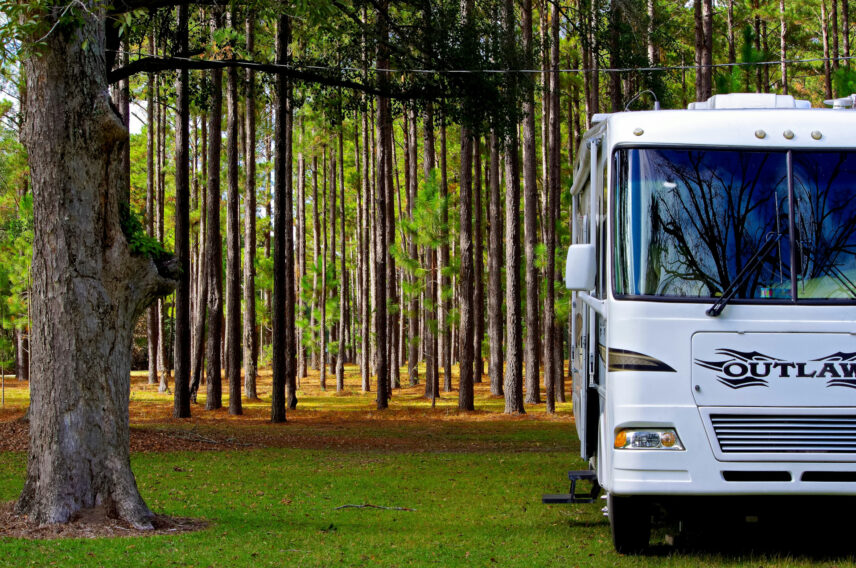
A full gray or black tank ends your trip just as fast as an empty freshwater tank. The waste has to go somewhere and once your tanks are full, you’re done until you can dump.
Minimize wastewater by wiping dishes with a paper towel before washing them. Use biodegradable soap and dispose of greywater properly in accordance with local regulations. Keep an eye on your tank levels daily.
Mistake #4: Disrespecting Wildlife and the Land
Forgetting you’re a guest in a wild space is a failure of awareness. The land doesn’t exist for your convenience. You’re visiting an ecosystem that functions just fine without you. That means following Leave No Trace principles and understanding wildlife safety.
Educate yourself before you go. Know the difference between bear species in your area. Grizzlies are 20 times more dangerous than black bears and they require different strategies if you encounter them. What works for one could get you hurt with the other.
The seven Leave No Trace principles are:
- Plan ahead and prepare
- Travel and camp on durable surfaces
- Dispose of waste properly
- Leave what you find
- Minimize campfire impact
- Respect wildlife
- Be considerate of other visitors
These aren’t suggestions. They’re the baseline for responsible outdoor recreation. For example, you need to bury human waste at least 200 feet from water sources to prevent contamination. That’s not just etiquette – it’s environmental protection.
Mistake #5: Breaking Boondocking Etiquette
Boondocking isn’t a free-for-all. There are rules and unspoken expectations that keep the community functional and the land accessible. The BLM and national forests typically enforce a maximum stay of 14 days at one site within a 28-day period.
Beyond the regulations, here’s what matters:
- Give other campers space: If there are five open spots and you park 20 feet from the only other rig, you’re doing it wrong. Spread out and respect privacy.
- Keep noise down: You came here for peace and quiet. So did everyone else. Save the loud music and generators for daytime hours only.
- Pack out everything you brought in: This includes grey water when regulations require it. Your trash, your responsibility.
- Don’t claim a spot you’re not using: Parking an empty rig to hold a location for later is poor form.
- Share information: If someone asks about road conditions or good spots nearby, help them out. The community works because people look out for each other.
Mistake #6: Packing the Wrong Gear or Not Enough of It
Regular camping gear is not sufficient for boondocking. You need tools for self-reliance because help might be hours away. A reliable power source comes first, whether that’s solar panels, a generator or both. Leveling blocks handle uneven terrain. A basic toolkit lets you fix minor issues on the spot. Extra water containers give you a buffer when you miscalculate consumption.

The practical stuff matters, but so does the fun. You’re out here for adventure after all. Consider bringing gear that adds to the experience. Packets that create magical campfire flames in cosmic colors make evenings more entertaining. Flashlight gloves let you work hands-free after dark. These touches remind you that boondocking isn’t just about survival – it’s about enjoying the freedom you came for.
Your Guide to a Flawless First Boondocking Trip
The mindset shifts make all the difference. Move from assuming to verifying. Trade impatience for planning. Replace consuming with conserving. These changes turn your first boondocking trip from a cautionary tale into a success story.
You’ve got the blueprint now. Test your systems before you leave. Research your location thoroughly. Understand your power and water limitations. Respect the land and the community. Pack the right tools. The freedom and adventure you’re after are real and they’re waiting for you. You just have to prepare well to enjoy them.