As an Amazon Associate, Modded gets commissions for purchases made through links in this post.
When you think about endangered species, your mind probably jumps to distant jungles or African savannas. Tigers in India. Rhinos in Africa. Maybe polar bears on melting ice caps. Those stories matter, but here’s the surprise — hundreds of endangered species in the U.S. are fighting for survival in your own backyard. This isn’t a faraway problem requiring a passport to solve.
Take gorillas as an example. Everyone knows that the remaining 2,600 mature Eastern gorillas need protection. But did you know there are over 1,300 native species right here in the United States facing the same threat? The following list showcases animals on the U.S. endangered species list, from apex predators to obscure insects and mollusks. Each one highlights a different conservation challenge happening on American soil.
The Red Wolf
This critically endangered canid proves that even iconic American predators face extinction. The red wolf is actually rarer than its gray wolf cousin and exists only in a small pocket of North Carolina.
Habitat loss and hunting nearly wiped them out completely in the 20th century. Today, around 27 individuals in the wild represent one of the most ambitious recovery programs in U.S. history. Breeding programs and careful reintroduction efforts keep this species clinging to survival.
The California Condor
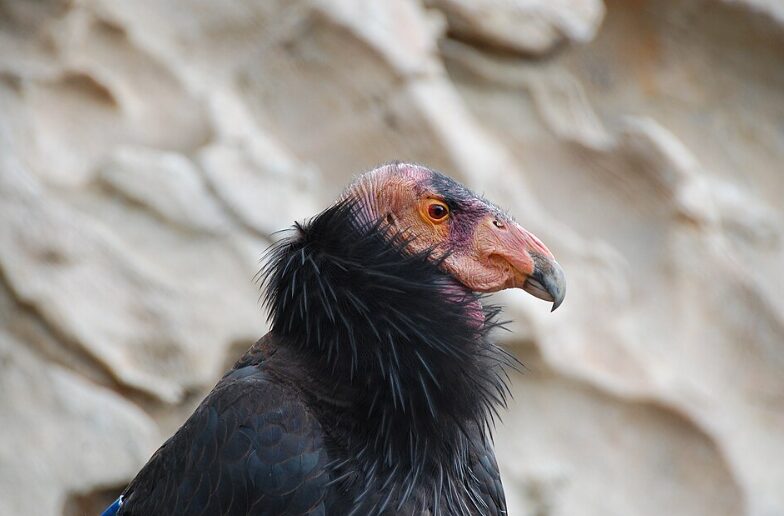
North America’s largest land bird almost disappeared from the planet in the 1980s. Picture a wingspan stretching nearly 10 feet and you’ll understand why losing the California condor would have been devastating.
By 1987, only 27 birds remained alive, every single one of which was captured for a breeding program that seemed like a desperate last shot. The dramatic story of endangered species in the United States doesn’t get much more intense than this.
Today, over 300 condors exist in the wild thanks to intensive captive breeding and reintroduction, with another few hundred in captivity. They still face threats from lead poisoning and habitat loss, but their comeback proves that bold intervention can pull species back from the brink.
The Vaquita
According to 2025 observations, fewer than 10 vaquitas now remain. That makes this tiny porpoise with its distinctive “black lipstick” the world’s rarest marine mammal. It lives exclusively in the Gulf of California, but American consumers share responsibility for its decline. Why? Because it gets caught in illegal gillnets set for totoaba fish as well as shrimping nets.
Here’s where it hits home. The black market for totoaba swim bladders is known to pass largely through U.S. intermediaries. Additionally, 80% of the shrimps are sold to the U.S. market. This international crisis connects directly to American demand, proving that our choices ripple across borders.
The Florida Panther
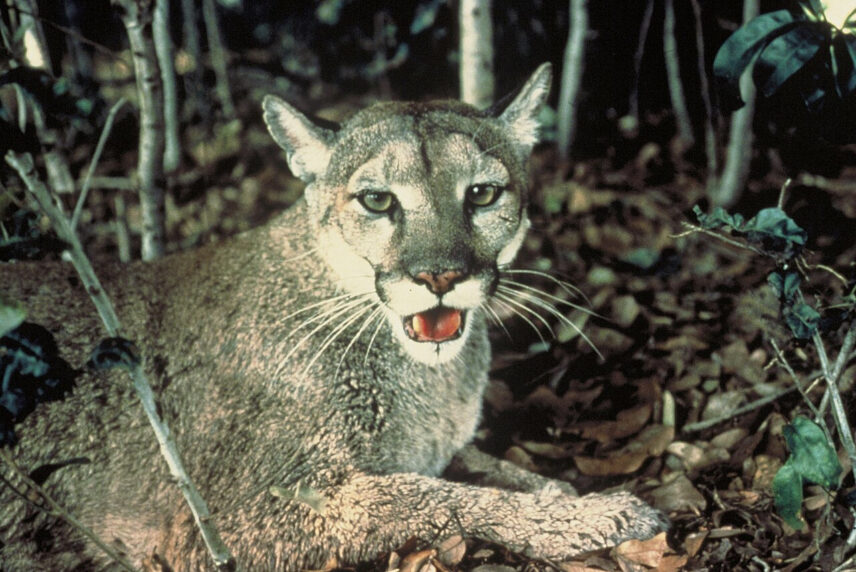
This sleek cat represents the only surviving cougar population east of the Mississippi River. Imagine an apex predator squeezed into the rapidly developing landscape of South Florida. That’s the Florida panther’s reality.
Vehicle collisions kill multiple panthers every year as highways slice through their territory. Habitat loss from urban sprawl shrinks their range further. Only around 200 now roam the Everglades and surrounding areas. The panther’s struggle shows how human development in our own backyard threatens even the most adaptable predators.
The Black-Footed Ferret
Once declared extinct, this member of the weasel family returned from the dead when a small population was discovered in Wyoming in 1981. The black-footed ferret demonstrates how species survival depends on complex relationships.
They live almost entirely on prairie dog colonies, relying on them for both food and shelter. When prairie dog populations collapse due to habitat conversion and pest control programs, the ferrets vanish too.
This cascading effect makes the black-footed ferret one of the most endangered species in the United States. Recovery programs have reintroduced them to multiple western states, but their future remains tied to prairie dog conservation.
The Franklin’s Bumblebee
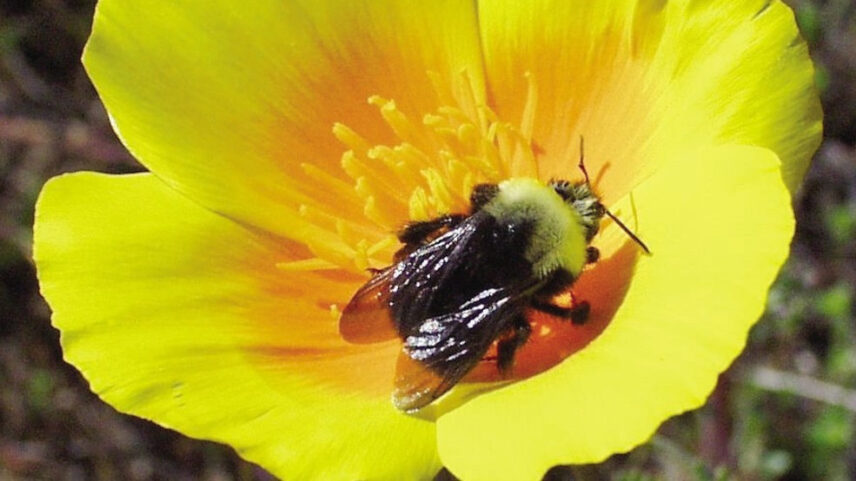
Some species disappear so quietly you don’t realize they’re gone. The Franklin’s bumblebee illustrates this concept of hidden extinction perfectly.
This bee species has not been seen since 2006 and may already be extinct. Think about that for a second. An entire species might have vanished while most people never knew it existed.
Pollinators keep ecosystems functioning and crops producing, yet several other bee species on the U.S. endangered species list face similar fates. The Franklin’s bumblebee reminds us that the smallest creatures often play the biggest roles.
The Mississippi Gopher Frog
This rare amphibian needs something incredibly specific to survive. It requires temporary ponds within longleaf pine forests. Those forests once covered 90 million acres across the Southeast. Today, less than 3% of that habitat remains.
The Mississippi gopher frog’s story shows how losing one ecosystem type can doom species that evolved to depend on it. These frogs breed only in certain seasonal wetlands and spend the rest of their time in gopher tortoise burrows. When the longleaf pine ecosystem disappears, so does the frog’s entire world.
The Blunt-Nosed Leopard Lizard
California’s San Joaquin Valley used to be vast grassland and scrub habitat. Now it’s one of the most productive agricultural regions in America. The blunt-nosed leopard lizard paid the price for that transformation.
Agricultural expansion and urban development fragmented its habitat into isolated patches. This demonstrates how the number of endangered species in the United States often rises as land becomes more developed. The lizards that remain live on protected lands and wildlife refuges, but their once-continuous range has been shattered into disconnected islands.
The Salt Creek Tiger Beetle
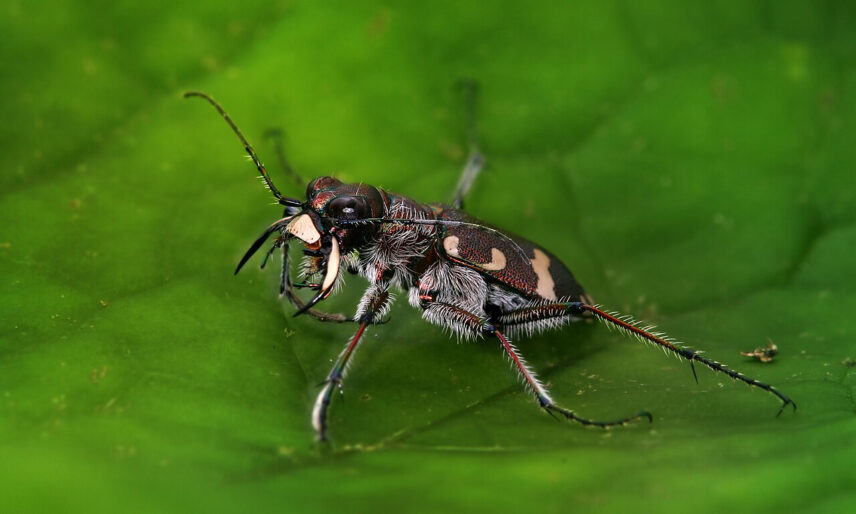
Here’s a prime example of a species you definitely didn’t know about. The Salt Creek tiger beetle ranks among the rarest insects on Earth.
Today, only a few hundred remain in a handful of saline marshes near Lincoln, Nebraska. Yes, Nebraska has critically endangered species, too.
This tiny iridescent beetle adapted to a very specific habitat type that’s mostly been drained or degraded. Its extreme rarity in such an unexpected location proves that conservation challenges exist in every corner of America.
The Devils Hole Pupfish
Fragility reaches its absolute extreme with this species. The Devils Hole pupfish lives in exactly one place on Earth. It inhabits a single limestone cavern in the Nevada desert, where the water stays around 93 degrees year-round.
The entire population survives in a pool roughly the size of a living room. Groundwater pumping and climate change threaten even this tiny refuge.
This fish evolved in complete isolation and represents one of the most remarkable examples of adaptation you’ll ever encounter. If that one cavern fails, the species goes extinct. Period.
The Carolina Heelsplitter
Even animals with unremarkable names can be critically important. This freshwater mussel might not sound exciting, but it serves as a natural water filter in the rivers of North and South Carolina.
Mussels clean waterways by filtering algae and pollutants. When their populations crash, water quality often follows. With only about 216 individuals remaining, the Carolina heelsplitter’s decline signals serious trouble for river health.
This proves that monitoring “boring” species actually helps us understand the overall condition of our ecosystems.
How You Can Be Part of the Solution
Conservation isn’t reserved for scientists with advanced degrees. You can make a real difference through actions both large and small.
- Support habitat protection by visiting our national parks and practicing Leave No Trace principles
- Use interactive tools to find threatened species in your county and learn what lives near you
- Invest in quality tools for hiking responsibly to minimize your impact on fragile habitats
- Consider careers to educate people about nature through organizations like the National Park Service
- Reduce your consumption of products linked to habitat destruction
- Donate to verified conservation organizations working on species recovery
Notable Conservation Successes
Saving endangered species isn’t a lost cause. The Endangered Species Act has prevented extinction for 99% of species under its protection since 1973. That’s a remarkable success rate that deserves celebration.
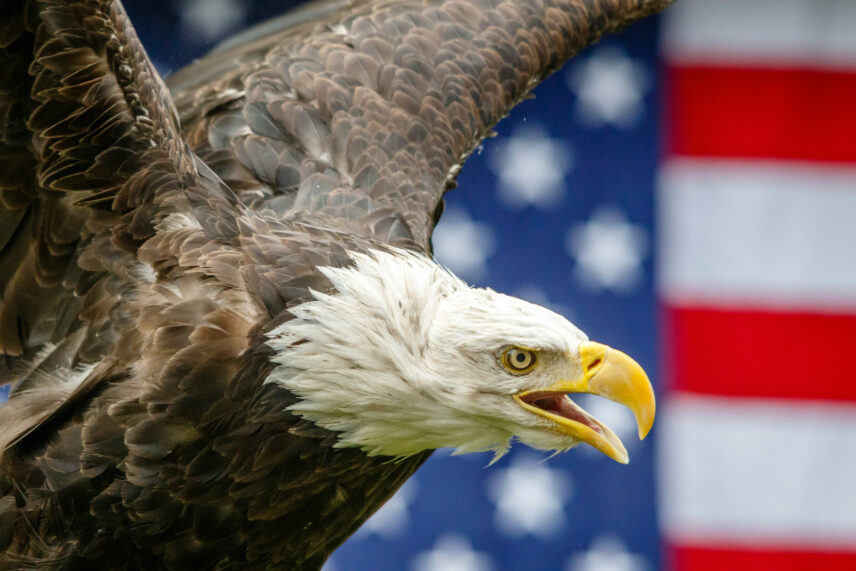
Take the bald eagle, which was listed on the U.S. endangered species list as recently as 1995 before recovering enough to be removed. Our national symbol almost disappeared from the lower 48 states due to DDT poisoning and habitat loss.
Other inspiring recoveries include the American alligator, which rebounded from near-extinction to stable populations across the Southeast. The gray wolf returned to Yellowstone and other western habitats. Humpback whale populations have grown significantly since whaling bans took effect. These success stories prove that thoughtful intervention and habitat protection actually work when we commit resources and follow scientific guidance.
Endangered Species in the United States Need Your Help
The species on this list represent hundreds more facing similar struggles. Conservation starts with awareness and grows through action.
These aren’t abstract problems happening on distant continents. They’re unfolding in Nebraska marshes, Nevada deserts and Carolina rivers. The wild spaces around us need protection, and the creatures living there need advocates.
Next time you’re outdoors, remember that you’re sharing that space with species fighting to survive. That awareness can spark the kind of care that makes a difference.