As an Amazon Associate, Modded gets commissions for purchases made through links in this post.
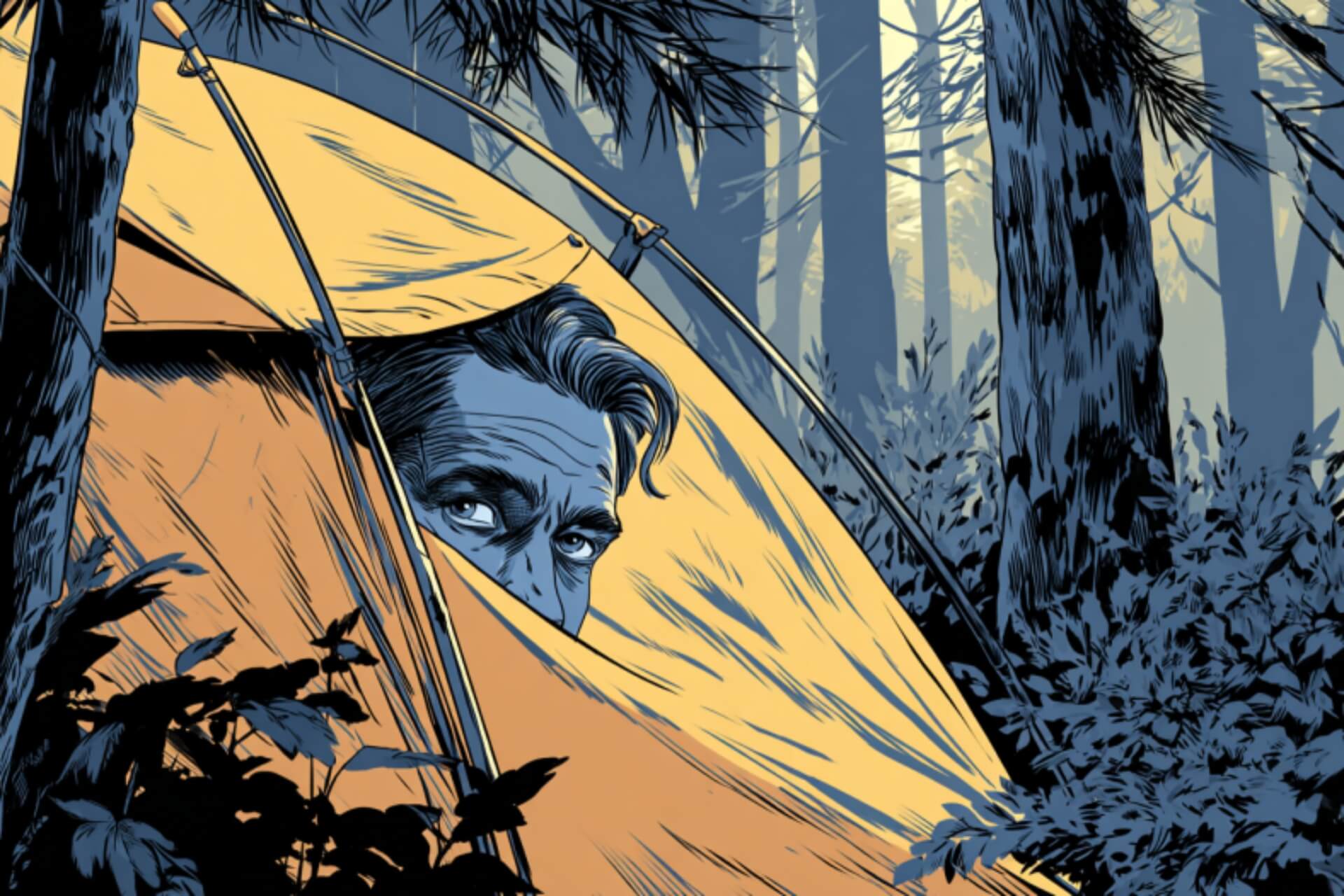
The modern campground experience can be daunting, from booking a cramped site six months in advance to paying high fees only to be parked near a neighbor’s noisy generator. There’s also the feeling of being in a suburban cul-de-sac instead of the wild. Stealth camping is not just about avoiding trouble. It’s about minimizing your impact on the landscape and any other people who might be seeking their own solitude nearby. Learn how to stealth camp responsibly with these essential tips.
1. Research Legal Camping Locations Meticulously
Never skip this step. Proper research is the link between a successful legal adventure and a stressful night ending with a visit from law enforcement. The Bureau of Land Management (BLM) and National Forests are usually your best bets when browsing for the ideal locations.
These federal lands often have designated areas for dispersed camping, which is the official term for camping outside of a developed campground. Search for the specific national forest or BLM district you plan to visit. You can also look for its motor vehicle use map, which shows which roads are open and indicates where you can stealth camp.
Note that national and state parks almost always ban camping outside of designated sites to protect ecosystems. Also, avoid stealth camping within city limits, which is often illegal and unsafe.
2. Choose Inconspicuous, Low-Impact Gear

The goal is to blend into the natural environment, not stand out, so prioritize gear that’s subtle and self-sufficient.
For tents, opt for low-profile dome or A-frame styles in green, brown or gray. Trekking-pole tents or bivvy sacks are also great options for their small footprint and quick setup and takedown.
A red-light headlamp is nonnegotiable, as it preserves your night vision for seeing your surroundings while making you nearly invisible from a distance. With their distinct light and smoke, campfires are beacons. Never light one when you’re stealth camping.
Water is essential, but at around eight pounds per gallon, it’s often one of the heaviest items you’ll carry. If you’re camping near bodies of water, packing a purifier can help you lighten the load. Explore different types to determine the best one for your needs. Straws are great for personal use, while tablets and larger devices are ideal for filtering large quantities.
3. Optimize Your Vehicle for Maximum Discretion
Your vehicle must look like it belongs where it’s parked. It should never look like someone is sleeping inside.
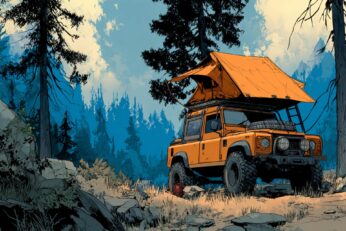
Nondescript SUVs, vans and trucks with toppers are better options compared to brightly colored models with logos. Avoid adding obvious signs that you’re staying there long-term, like solar panels on the roof or leveling blocks under the wheels.
Instead of relying on curtains, invest in custom-cut blackout window covers that look like tinted windows from the outside. Crack your windows a tiny bit to prevent condensation, which is a dead giveaway. Use window rain guards to hide the opening.
Avoid setting up a large grill or cooking area. Instead, use a small, contained backpacking stove for quick meals. Keep food fresh longer to minimize trips to town. A great tip is to pre-cool your cooler before storing perishables to keep your supplies fresh longer.
4. Practice “Ghost Protocol” at Your Campsite

What is stealth camping if not the ability to make it look like you’ve never been there in the first place? Here are some ways to stay “invisible” from arrival to departure:
- The two-hour rule: Aim to arrive at your general area before dark to scout, but don’t pull into your final spot until an hour or two after sunset. Plan to be packed and gone before sunrise.
- Limit noise: Disable your car’s “beep” when locking, close the doors gently and avoid using any light visible from outside the vehicle. Use headphones for any music or movies.
- Choose your site strategically: Look for pre-existing pull-outs or clearings to minimize your impact. Choose spots with a “backdrop,” like a dense patch of trees or a hillside, to block the line of sight in at least one direction.
5. Prioritize Safety and All-Weather Preparedness
When you’re stealth camping, you are far from immediate help. That means your safety is 100% your own responsibility.
First Aid Knowledge
Never camp without a well-stocked first-aid kit. If you bought a pre-made set from a store or pharmacy, ensure you know how to use every item before leaving home.
Consider enrolling in first aid courses and getting certified to gain a well-rounded knowledge base. The Red Cross offers programs that you can complete in several hours, and you can attend them in person, online and blended setups.
Weather Readiness
Knowledge is key to preparation. If you’re camping somewhere without service, check reliable national and regional sources for updates on precipitation, wind speed and direction, humidity levels and any watch warnings.
Never rely solely on your phone. Ensure you can receive emergency alerts when you’re off the grid with a small, hand-crank or battery-powered weather radio. Download offline maps of your area and consider using an app that allows for weather radar overlays so you can track storm movements without cell signals.
Your clothing is your first shelter, and having a strategic layering system can ensure all-weather comfort. Wear a moisture-wicking base layer to manage sweat, an insulating mid-layer to trap body heat and a shell layer that’s waterproof and windproof. Keep your clothing wrapped in plastic bags to keep everything dry, even during downpours.
6. Commit Fully to the “Leave No Trace” Ethic

Leave no trace is the guiding principle that makes stealth camping possible. Never leave any waste behind. Apple cores, coffee grounds, nutshells and other organic debris can take years to decompose and attract animals, habituating them to human presence.
Take a bath, wash dishes and dig catholes 200 feet away from water sources to avoid polluting them. Always use small amounts of biodegradable soap. Before leaving your campsite, do a final, slow walk-around to check for any micro-trash, such as small plastic utensils, bottle caps and twist ties.
Go Forth and Be Unseen
Responsible stealth camping is not about trespassing on private property or illegally camping in a city park. It’s about being a ghost — present in the moment, then gone without a whisper. More than just a list of hacks, it’s a complete mindset built on the foundation of meticulous research, thorough preparation and an unwavering respect for the environment and the law. Mastering these pillars means earning a level of solitude and connection with nature that’s impossible to find in a crowded campground.