As an Amazon Associate, Modded gets commissions for purchases made through links in this post.
Water is the most important resource for our survival, hands down. Humans can die of dehydration after just three days without water, and even sooner if they’re expending lots of energy. Water is also crucial for preparing food, cleaning wounds, washing tools and many other essential survival tasks. Here’s how to filter water for survival the right way.
What’s in Contaminated Water?
Most of us know that foggy or dirty water is a strong sign of contamination. However, contaminated water looks clean to the naked eye more often than not. Even a seemingly clean water source can contain viruses, animal waste, artificial chemicals and many other harmful substances. You can expect these side effects shortly after drinking bad water:
- Fever
- Nausea
- Vomiting
- Diarrhea
- Gastrointestinal illness
Drinking contaminated water over long periods of time can also harm your nervous system, affect your fertility and increase your risk for certain cancers. Now that you understand and appreciate the potential consequences, let’s go over how to filter water in seven different ways.
7 Ways to Filter Water
Filtering water for survival doesn’t have to be complicated. As you will see, you only need a handful of tools for each method.
1. Boiling
Boiling is the oldest and most reliable method for purifying water. The boiling point is 212 degrees Fahrenheit, which kills every contaminant in sight. Here’s what you’ll need:
- Cooking Pot
- Matches or Lighter
- Firewood
The boiling process is simple: light your fire, put the pot of water over the fire and wait. The water will start to boil after just a few minutes, but you should let it boil for at least ten minutes to ensure complete purification.
2. Distillation
Distillation is a slower filtration method than boiling, but it can be equally effective. You can create a reliable distillation system called a solar still with just these items:
- Shovel
- Hose
- Plastic tarp (with no holes)
- Tub, barrel or another large container
A solar still repeatedly condenses and evaporates the water until it becomes good enough to drink. You just need to dig a deep enough hole and arrange the other items properly.
Some people also put vegetation inside the hole to get more water into the air and speed up the process, but this step is optional. Just make sure you choose a spot with high sun exposure and let nature do the rest.
3. Iodine Tablets
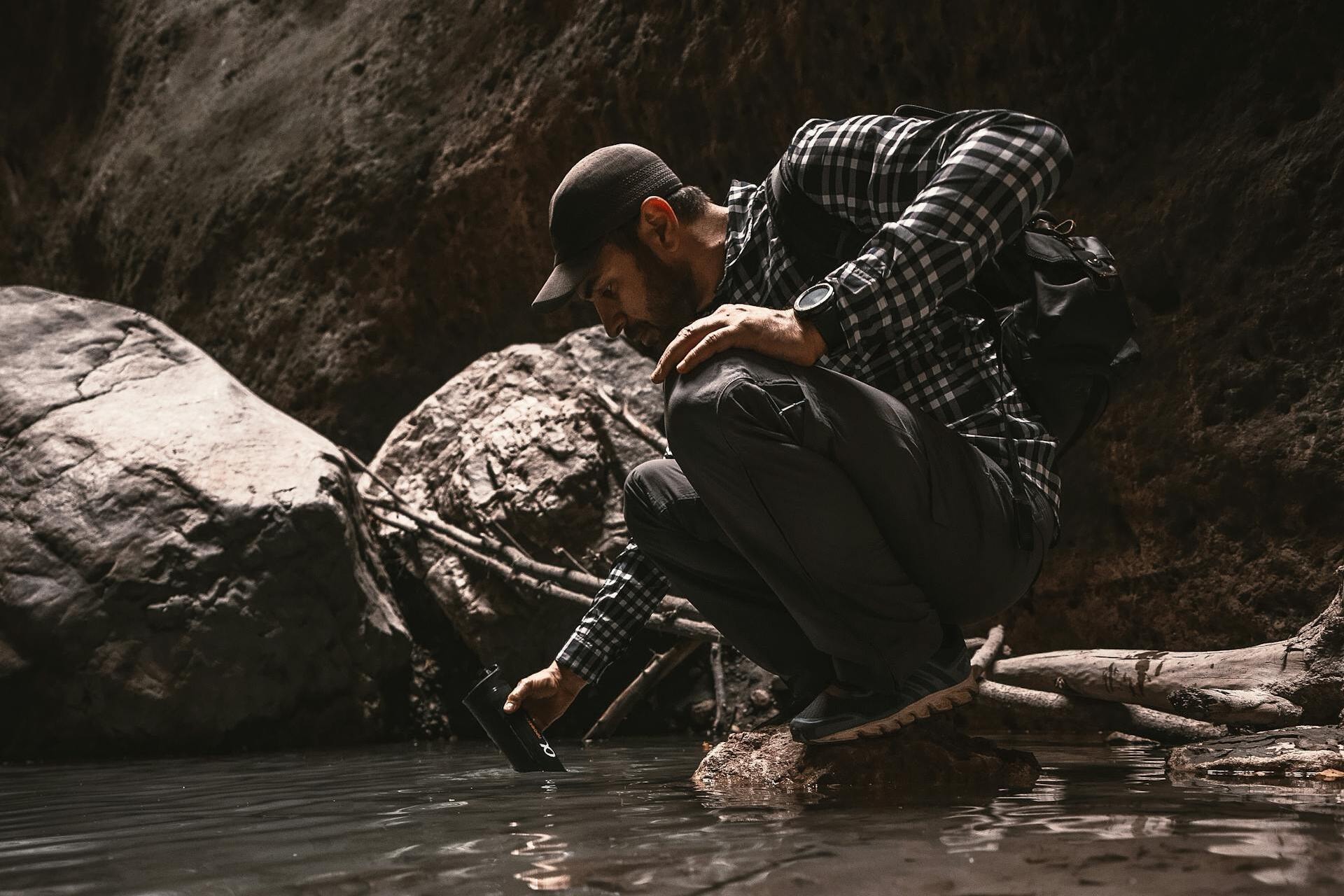
Iodine tablets are popular products among preppers and outdoorsmen. They’re cheap, easy to store and easy to use. Just pop a tablet into your water bottle, wait about 30 minutes and you’re good to go. The water will have a funky taste, but that’s how you know the tablets worked.
However, despite their convenience, iodine tablets aren’t foolproof. They won’t turn muddy, disease-ridden water into clean, drinkable water in 30 minutes. They also won’t remove or dissolve small pieces of debris. It’s better to use iodine tablets on water from lakes, creeks and other sources that don’t require much filtration.
4. Survival Straws
If you’re looking for something that can make the dirtiest water drinkable, a survival straw is the item you want. The best straws remove 99% of contagions and last up to five years before the filters start to deteriorate. Most of them attach to water bottles, while the larger models can also attach to hoses and water heaters.
5. Artificial Filters
If the survival straws are too expensive, you can also buy two other types of artificial filters:
- Pump Action Filters: this filter uses a small pump to force dirty water through a filter cartridge. This process might be tiresome for your hand, but it fills up a water bottle in just a few minutes.
- Drip Action Filters: this filter lets gravity do the work, using a drip action system similar to IV bags. The water passes through the filter cartridge drop by drop. It’s more time-consuming than a pump action filter, but also more effective.
The best filter depends on your living situation. If you’re constantly on the move, a pump action filter will serve you better. If you live on a homestead and plan on staying there, go with the drip action filter.
6. DIY Filter
Knowing how to filter water for survival often requires creativity and resourcefulness. When your supplies are limited, you need to be able to create a DIY drip action water filter. Follow these steps to create a natural filter with just a large container, plastic water bottle and a few pieces of cloth:
- Cut away the bottom of the water bottle to create a wide opening.
- Turn the bottle upside down and put the first cloth at the bottom.
- Put a layer of charcoal over the cloth, then cover it with the second piece of cloth.
- Put a layer of sand over the second cloth, then cover it again with the third cloth.
- Put a final layer of grass over the third cloth. At this point, the whole bottle should be full.
- Station the container underneath the bottle to collect the dripping water.
The layers of grass, sand and charcoal filter out the water’s debris and harmful bacteria. The water might not be 100% transparent, but it will be safe to drink.
7. Sunlight Exposure
Sunlight exposure is the most time-consuming and least physically demanding option for water filtration. Just fill up a clear water bottle – make sure to remove stickers and labels – and put it in direct sunlight. After five-plus hours, shake the bottle vigorously and do a test drink. The water should be safe after five hours, but you might need to wait longer.
When in Doubt, Drink it Anyway
In survival situations, you can’t pass up an opportunity to replenish your fluids. You never know when the next water source will come along. Even if you’re not sure whether you can reliably filter the water, give it a try anyway. It’s better to be alive and sick than dead and disease-free.