As an Amazon Associate, Modded gets commissions for purchases made through links in this post.
Food is essential for our survival, providing us with the nutritional support necessary to sustain life. Despite its clear importance, food tends to be neglected and treated with a blithe disregard for preservation by consumers who merely view it as an expendable resource.
While
it can be challenging to eat all the food we purchase before the expiration
date arrives, it’s on us to exercise proper storage care, responsible shopping
practices and sensible food conservation. When prepped and stored correctly,
the freshness of food can be maintained long past its shelf life. In fact, even
without an attentive understanding of acceptable storage, expired foods may
remain perfectly fine past their listed dates.
If certain foods are reasonable past their expiration dates, then what do these labels mean? Here’s what to do with expired food or food that’s about to expire.
What Is an Expiration Date?
An
expiration date denotes the final day that food should be eaten or used for
guaranteed freshness, so consumers ingesting it should proceed at their own
risk.
However, that doesn’t always mean that food has gone rotten by a particular date, given that various labels are more of a reflection of food quality than food safety. Some foods might be safe to consume nearly 18 months after their expiration date.
Even though expiration dates provide a solid indicator for when food should likely be thrown out, there’s typically a window of time after those dates until food goes bad and becomes unusable. By relying on your senses of sight and smell, you should tell if food has truly reached the point of needing to be tossed.
When
stored correctly, the quality of certain foods can extend longer.
How to Preserve Food Through Proper Storage
As reported in a global initiative on food loss and waste reduction, roughly one-third of the food produced for human consumption in the world — nearly 2.9 trillion pounds — is lost or wasted every year.
However,
Paul VanLandingham, EdD, a senior faculty member at the Center for Food and
Beverage Management of Johnson & Wales University in Providence, Rhode
Island, claims that air-tight
packaging can “double shelf life” for products, allowing food to be as
“good as the day it was packaged.”
Packaging
that can keep out light, oxygen and pests works best for food preservation. For
example, unless compromised, canned food can retain its
nutrients and safety for decades, allowing for safe consumption up to four years
past its expiration date.
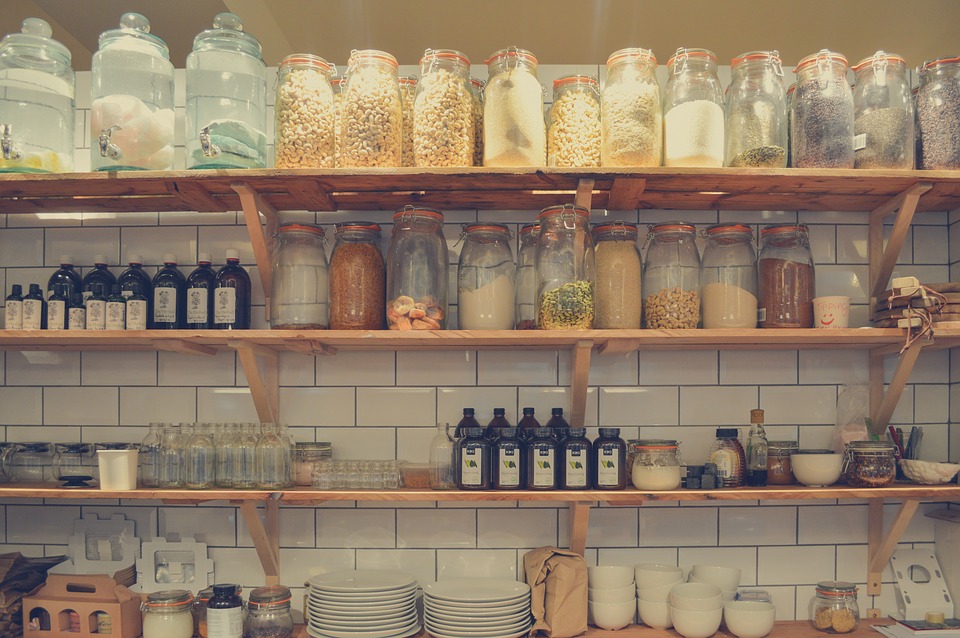
Mylar bags also serve as an ideal solution for storing various foods, with the longest-lasting foods having low moisture and fat levels. Dried foods — such as beans and grains — last 20 to 30 years when correctly stored.
Proper
storage could be particularly valuable in the event of an emergency, where
having access to sustainable food may ultimately save your life.
Poorly
stored food that goes past its expiration date, but still isn’t rotten, hosts a
number of ways to utilize in an effort to minimize waste.
Edible Uses for Expired Food
- Bake
with expired milk: If your carton of milk is starting to sour, it can be used for baking
as a substitute for buttermilk in baked goods. - Make
bread crumbs or croutons from stale bread: Stale bread can be pulsed
in your blender or food processor for homemade bread crumbs. It can also be
sliced into cubes, sprinkled with seasonings and baked to produce croutons. - Store
wilted herbs and veggies for stock: Save wilted herbs and veggies by storing them in
your freezer to make homemade vegetable broth later on. - Toast stale snacks in the oven: Whether it’s cereal, crackers, chips or popcorn, snacks can be toasted in the oven on a baking sheet for a few minutes to freshen them up.

Additional Uses for Expired Food
- Exfoliate your skin with coffee grounds or Greek yogurt: The lactic acid in Greek yogurt helps exfoliate dead skin cells. Two tablespoons of Greek yogurt with one tablespoon of honey creates a moisturizing cream you can apply as a face mask. Similarly, you can add coffee grounds to your body or facial scrubs to nourish and tone your skin.
- Moisturize your hair with overly-ripe avocados: Apply smashed-up avocados to wet or dry hair for an hour, at which point you can wash it out, leaving you with moisturized hair.
- Shine
surfaces with mayonnaise: The oil content in mayonnaise can restore moisture
and remove stains, allowing surfaces to glisten. - Sprinkle
eggshells around plants: Eggshells are rich in calcium and other minerals,
making them great for your garden when crushed and
sprinkled around your plants.
Practice Food Conservation
Even
if food nears its expiration date or passes it, there may be alternate uses for
it or ways to prolong its shelf life. Take steps to practice proper storage
care, responsible shopping practices and sensible food conservation to make the
most of your food.