

As an Amazon Associate, Modded gets commissions for purchases made through links in this post.
The BMW 7 Series generations tell the story of how BMW has continuously redefined the modern luxury sedan. Since its debut in 1977, the 7 Series has served as the brand’s flagship model, showcasing the latest advancements in design, technology and performance. Each generation reflects the priorities of its era, from early electronic innovations to today’s digital interfaces and electrified powertrains. Over seven generations, the BMW 7 Series has evolved while consistently balancing the comfort of a luxury sedan with engaging driving dynamics.
1. First Generation: E23 (1977–1986)
When BMW introduced the E23 in 1977, it made a clear statement about what a luxury sedan could be. The E23 replaced the earlier BMW New Six sedans and introduced the world to the first official 7 Series flagship. The long hood, balanced proportions and distinctive BMW kidney grille created a refined silhouette that communicated luxury without unnecessary flash. In the late 1970s, the car introduced several advanced features, including:
- Early onboard diagnostics systems
- Electronic climate control
- Cruise control
- An early trip computer
- Anti-lock braking system (ABS) starting in 1979
- Digital engine electronics
BMW designed the cabin to feel intuitive and comfortable for long drives. Its clean, functional layout reflected the brand’s belief that luxury should support the driving experience. The smooth inline-six engines delivered the refinement BMW was known for. Over nine years, BMW built more than 270,000 units and successfully launched its flagship sedan.
2. Second Generation: E32 (1986–1994)
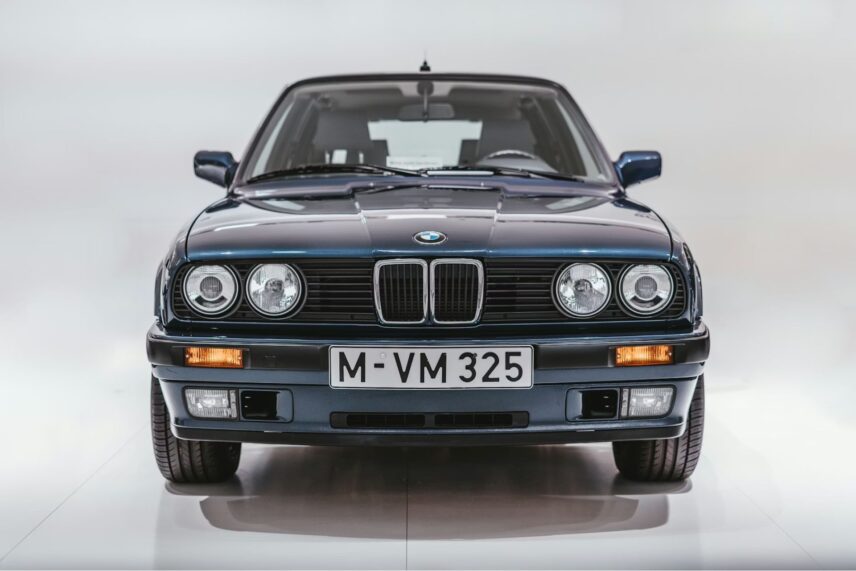
When BMW introduced the E32 in 1986, the brand refined its identity with a sleeker, more aerodynamic design. Sharper lines, a lower stance and improved proportions gave the sedan a confident look while maintaining BMW’s balance of luxury and sportiness. Inside, the E32 combined premium comfort with a driver-focused layout. The second-generation 7 Series also introduced several technological advances for its time, including:
- Automatic Stability Control (ASC) to reduce wheelspin
- Advanced electronic systems for improved vehicle management
- Enhanced onboard technology and driver information displays
- Available long-wheelbase configuration for additional passenger comfort
Drivers enjoyed a cockpit-like environment, while passengers benefited from increased comfort and spacious seating. Performance remained central to the BMW 7 series, and the E32 expanded the lineup with more engine options. BMW later introduced V8 and V12 engines, significantly boosting performance.
3. Third Generation: E38 (1994–2001)
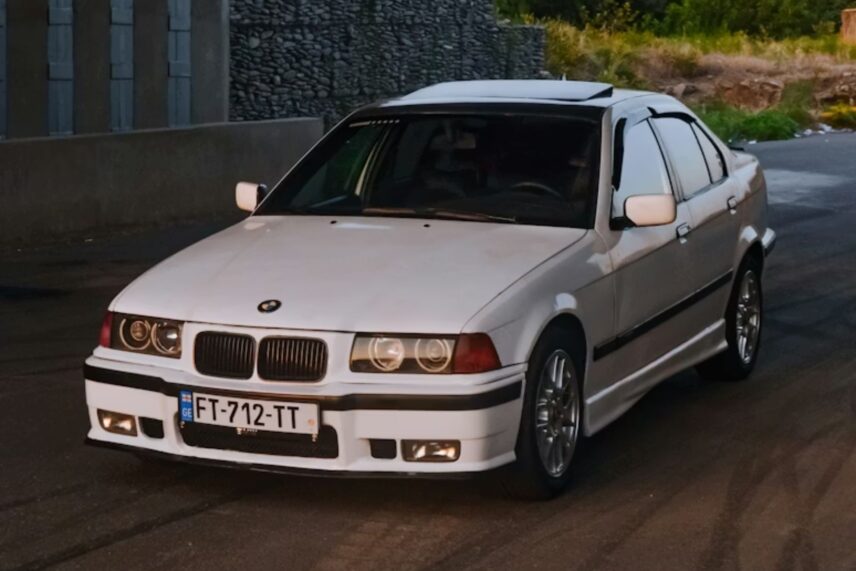
When BMW introduced the E38 in 1994, the 7 Series became a sleeker, more refined flagship. Smoother body lines and improved aerodynamics created an elegant, modern sedan, while the long hood, wide kidney grille and slim headlights gave it a confident presence. Inside, the cabin paired premium materials with advanced technology and improved sound insulation. Notable technology and comfort features included:
- Park Distance Control parking assistance
- Early CD-based navigation system
- Adaptive Electronic Damper Control (EDC) suspension
- ASC+T traction control
- Up to eight airbags for improved safety
- Premium audio systems and rear climate control
These upgrades gave the E38 a more advanced driving and passenger experience than earlier generations. BMW also expanded the 7 Series engine lineup, offering a broader mix of performance and efficiency. For the first time, BMW introduced six- and eight-cylinder diesel engines in the 7 Series, increasing its global appeal. From 1994 to 2001, BMW produced 327,598 units, confirming the model’s global success.
4. Fourth Generation: E65/E66 (2001–2008)
When BMW introduced the E65/E66 in 2001, the BMW 7 Series entered a new design era. Led by Chris Bangle, it adopted “flame surfacing,” a bold style defined by sculpted surfaces and dynamic curves. Compared with the sleek E38, this model looked larger and more dramatic. A prominent kidney grille, sculpted bumper and exposed headlights defined the front, while strong body lines and curved panels added depth. Key interior highlights included:
- Advanced iDrive infotainment control system
- Integrated navigation and communication features
- Premium materials and refined cabin finishes
- Spacious rear seating, especially in the long-wheelbase E66
- Expanded electronic driver assistance systems
These innovations made the E65/E66 one of the most technologically advanced luxury sedans of its time. Unlike earlier generations, the model came exclusively with automatic transmissions, prioritizing smooth power delivery and comfort.
5. Fifth Generation: F01/F02 (2008–2015)
This generation refined its predecessor’s controversial styling with a more restrained and elegant design. While it retained elements of “flame surfacing,” the overall look became smoother and more balanced. A higher, more vertical front end emphasized the iconic kidney grille, strengthening the car’s presence. Inside, the fifth-generation 7 Series focused on usability, comfort and technology. BMW redesigned the cabin with higher-quality materials, clearer controls and a cleaner layout. Standard features included Dakota leather, navigation, Bluetooth and voice-controlled multimedia.
The F01/F02 offered:
- A broad range of gas and diesel engines
- 730d used a 3.0-liter turbocharged inline-six diesel
- Chassis technologies such as electronic damper control
- Optional four-wheel steering
The fifth-generation 7 Series refined the formula rather than reinventing it. BMW softened the previous design while improving technology and cabin usability. In stark contrast, the GINA Light Visionary Model was a concept car from the same era, made of a flexible fabric stretched over a movable frame. The GINA was a bold statement about the future of automotive materials. It proved that even as its production cars became more restrained, the company’s experimental spirit was very much alive.
6. Sixth Generation: G11/G12 (2015–2022)

BMW introduced the sixth-generation 7 Series in 2015 with the G11 standard-wheelbase and G12 long-wheelbase models. The design combined modern technology with a strong executive presence. Slim LED headlights, wide proportions and sculpted body lines created a confident stance, while flat LED taillights connected by a narrow light strip defined the rear. Trapezoidal exhaust outlets reinforced the sedan’s refined yet dynamic look.
Inside, the G11/G12 emphasized craftsmanship and advanced technology. Key features include:
- Premium materials such as Nappa leather
- Abient lighting
- Optional Sky Lounge
- HD touch-screen displays
- Gesture control
- Semi-automated parking
The sixth-generation 7 Series offered a wide range of engines to suit different priorities, from efficiency to high performance. The G11/G12 generation represented a major technological step for the 7 Series. It introduced lighter construction methods, advanced driver-assistance features and a more immersive luxury experience for both drivers and passengers. The BMW X7 stands out because of its excellent design. From the sophisticated front end to the sculpted body panels, this vehicle has nearly everything you want.
7. Seventh Generation: G70 (2022–Present)
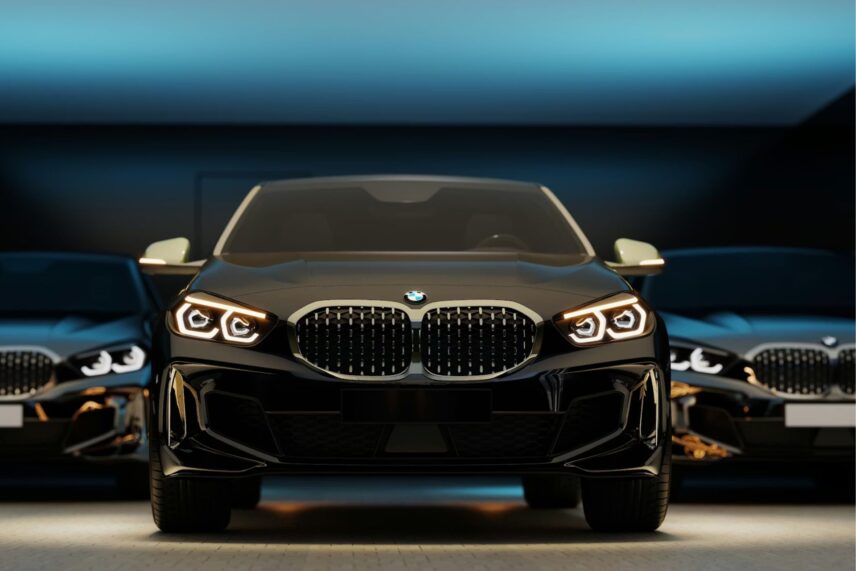
This generation introduces a bold, contemporary design that signals a new chapter for BMW’s flagship sedan. The front features an illuminated kidney grille and distinctive lighting that create a strong visual identity day and night. Sleek body lines and balanced proportions give the car a refined yet commanding presence.
Features such as the Sky Lounge, Panoramic Glass Roof, and Executive Lounge seating further elevate comfort for long journeys. The 760i xDrive produces 536 hp and reaches 0–100 km/h in about 4.2 seconds.
BMW also introduced the fully electric i7, marking the first time an all-electric model joins the 7 Series lineup. Technologies such as Active Comfort Drive Pro and Integral Active Steering enhance ride comfort, stability and maneuverability. For example, the 2023 BMW M8 Competition coupé is a luxurious and comfortable upgrade from the M5, with a 4.4-liter twin-turbo V8 engine producing an impressive 617 horsepower.
The Next Chapter: 2027 BMW 7 Series
The current G70 BMW 7 Series is expected to receive a mid-cycle refresh for the 2027 model year. Early reports suggest subtle exterior updates, including revised LED lighting, refined front-end styling and updated aerodynamics while maintaining the model’s bold design language.
Inside, BMW is likely to introduce the latest iDrive X system with the new Panoramic Vision display, expanding the brand’s digital interface across the dashboard. The lineup should continue offering gas, plug-in hybrid and fully electric versions. In fact, an electric motor can operate two to three times more efficiently compared to a standard combustion engine when it’s used alongside a fuel cell.
The update arrives as the 7 Series continues its long-standing rivalry with the Mercedes-Benz S-Class, which also received a refresh for 2027. As both flagships evolve, the competition between these two luxury sedans remains one of the defining matchups in the executive car segment. BMW competes with other high-end brands often on profit margin, luxury features and technology rather than volume alone. They are aspirational and influential in automotive culture but tend to serve a smaller chunk of the global market.
Comparative Table Between BMW 7 Series Generations
| Generation | Years | Code | Design | Interior and Technology | Engines / Innovations |
| 1st Generation | 1977–1986 | E23 | Classic executive sedan with clean lines and balanced proportions | Early electronic comfort systems | Inline-six engines |
| 2nd Generation | 1986–1994 | E32 | More aerodynamic and modern styling | Expanded luxury and electronic features | Inline-six, V8 and the first V12 in a BMW sedan |
| 3rd Generation | 1994–2001 | E38 | Elegant, timeless design with improved proportions | Driver-focused cockpit and refined cabin | Inline-six, V8, V12 and first diesel options |
| 4th Generation | 2001–2008 | E65 / E66 | Bold “flame surfacing” design by Chris Bangle | Introduction of iDrive and a more digital cabin | Wide engine range including V12 and diesel |
| 5th Generation | 2008–2015 | F01 / F02 | More refined and restrained styling | Improved iDrive, higher-quality materials, driver-assistance systems | Turbocharged engines and the first hybrid 7 Series |
| 6th Generation | 2015–2022 | G11 / G12 | Modern executive styling with larger grille | Luxury materials, gesture control and advanced driver aids | Plug-in hybrid options and CFRP lightweight structure |
| 7th Generation | 2022–Present | G70 | Bold design with illuminated kidney grille and split headlights | BMW Curved Display, Theatre Screen and digital ecosystem | Petrol, plug-in hybrid and fully electric i7 |
| Upcoming Refresh | Expected 2027 | G70 Life Cycle Impulse | Updated lighting and refined exterior design | New iDrive / Panoramic Vision interface | Updated engines and electrified lineup |
From Flagship Sedan to Technological Showcase
Across seven decades of development, the BMW 7 Series has continually pushed the boundaries of what a luxury sedan can offer. Each generation introduced meaningful innovations, from early electronic systems and V12 engines to advanced digital interfaces and electrified powertrains. The latest 2026 BMW 7 Series continues that tradition by combining luxury, connectivity and multiple powertrain options, including fully electric models. The upcoming 2027 BMW 7 Series is expected to build on this foundation with a mid-cycle refresh featuring updated design, new lighting signatures and the latest iDrive technology.


