As an Amazon Associate, Modded gets commissions for purchases made through links in this post.
For eons, the allure of automobile exclusivity has captivated enthusiasts and collectors alike. Imagine owning a truly one-of-a-kind car. Through the many years of car manufacturing, companies have built some vehicle models that could justifiably stake a claim as among the rarest ever produced. But what is the rarest car in the world?
Claiming this title isn’t as straightforward as the “rarest” may refer to a unique one-off model, a vehicle with the fewest surviving examples or one steeped in irreplaceable history. We’ll explore the reasons for our top choice and unravel the essence of true automotive rarity.
The 1936 Bugatti Type 57SC Atlantic — The Rarest Car of All?
When discussing the rarest cars in the world, the 1936 Bugatti Type 57SC Atlantic undeniably stands out. With only four ever produced and just three known to survive, this masterpiece of automotive engineering and design stands at the forefront. Crafted by Jean Bugatti, the Type 57SC Atlantic features an iconic riveted seam, suggesting a daring blend of aesthetics and performance that many regard as automotive art.
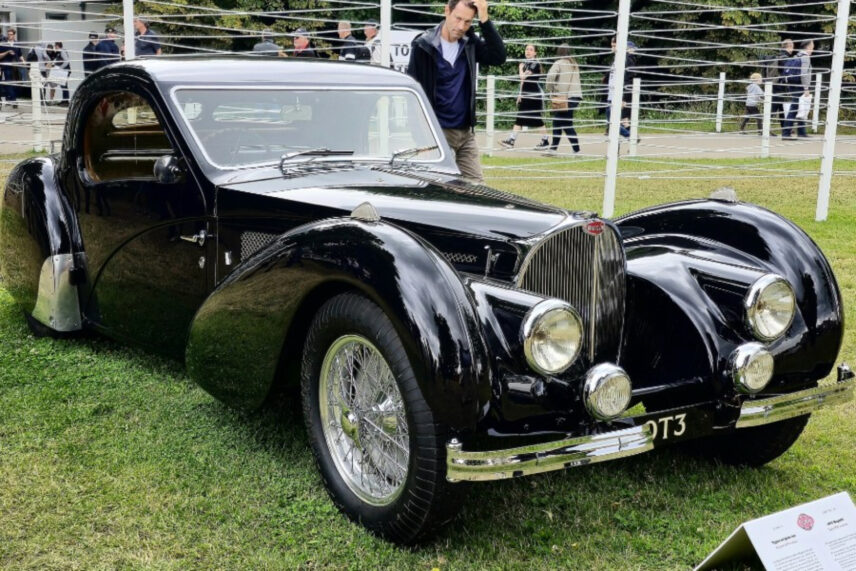
The Mystery of “La Voiture Noire”
Adding to the mystique of this rare Bugatti is the story of the one missing car, affectionately known as “La Voiture Noire.” Allegedly lost during World War II, its disappearance has become part of Bugatti legend, captivating collectors and car fans alike. The enigma only heightens the allure of the existing models, making them even more sought after.
The facts show that Jean Bugatti dispatched his personal black Atlantic coupe from his Molsheim factory toward Bordeaux to protect it from an impending German occupation. While the car arrived at the railway station, it never reached Bordeaux, creating a historical void regarding its location after 1938. The primary theories behind its disappearance are that it was destroyed during an Allied bombing of the rail line or confiscated by Nazi officials and destroyed or hidden in Germany.
No matter what actually happened to the 1936 Bugatti Type 57SC Atlantic, its disappearance is considered one of the biggest losses in automotive history, with “La Voiture Noire” valued at over $100 million today. While several reasons dictate the growing expense of cars in general these days, there’s little doubt that the rarity of the Bugatti Type 57SC Atlantics, and specifically the missing “La Voiture Noire,” is the reason for its expensive price tag.
Notable Owners and Impressive Valuations
Among the known owners of the surviving Type 57SC Atlantic models is the famous designer Ralph Lauren, who acquired his car from venture capitalist Tom Perkins in 1988. While the fame of its owner adds additional allure, it doesn’t stop there — the estimated value of these rare gems is upward of $40 million each, with some estimates being nearer to the $100 million of the missing “La Voiture Noire.”
As such, the Bugatti Type 57 SC Atlantic is more than a car. It rather represents an exclusive legacy in automotive history. However, does this make it the rarest car in the world? It certainly has the pedigree and fulfills at least one of the criteria.
What Defines Automotive Rarity?
Automotive rarity extends far beyond a single model, encompassing various criteria that make certain cars stand out as uniquely valuable within the industry.
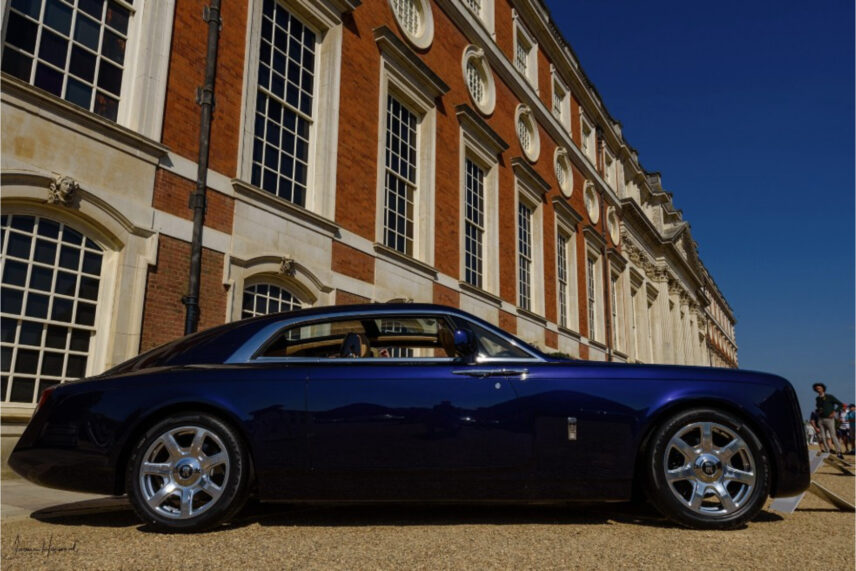
One-of-One — The Stand-Alone Masterpieces
Some car designs are distinctive pieces from the start, often crafted by coachbuilders for individual clients or by major manufacturers as statements at motor shows. Examples include the Rolls-Royce Sweptail, the Pagani Zonda HP Barchetta and the somewhat weird Ferrari 512S Modulo built specifically for the 1970 Geneva Motor Show.
These individual masterpieces are commissioned works of art, never intended for mass production, embodying true exclusivity and rarity and making them targets for collectors seeking to add them to exotic car collections with special meaning.
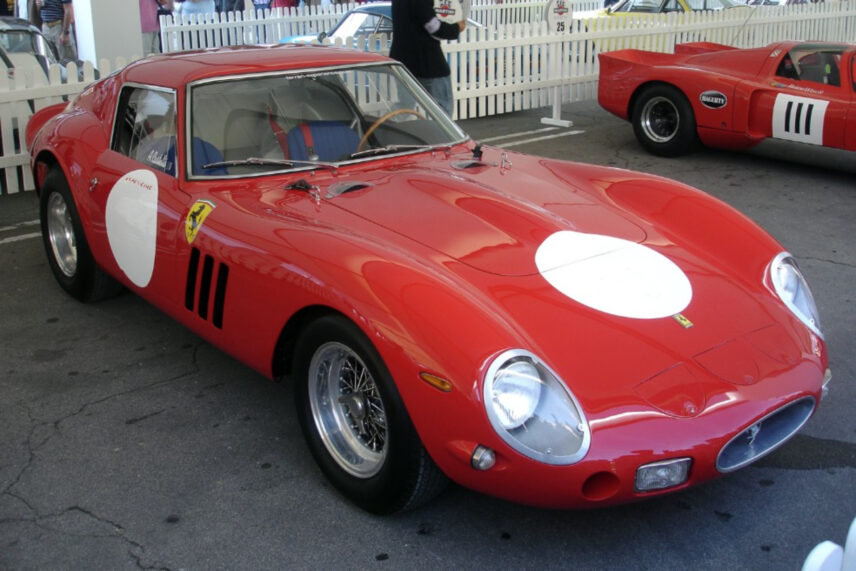
Low Production, High Demand — The Homologation Specials
The concept of homologation involves car manufacturers producing a minimum number of vehicles to meet the rules of their racing series. Standout classics such as the Ferrari 250 GTO, limited to just 36 units, and the Lancia Stratos HF Stradale exemplify this facet of rarity. These vehicles were primarily created for motorsport, making them extremely desirable among collectors.
Sole Survivors — Rarity by Attrition
In some cases, motor companies initially released higher numbers of vehicle models, but because of factors like deterioration, accidents or heavy usage, only a few remain in circulation today. Alternatively, the car manufacturer stopped producing the specific model, making it harder to find on the used-car market. An example of such a car is the Mazda MX-30, which sold well in the United States until the Japanese manufacturer pulled the plug. These types of attrition-based rarities add another layer to the complex world of automotive exclusivity.
The Pursuit of Perfection — Owning a Rare Piece of History
Owning a rare car is not only about possession but also about reflecting a mindset steeped in responsibility and admiration for automotive history. As a collector, you’ll likely view yourself as a custodian of culturally significant artifacts, akin to a museum curator. Preserving a piece of history comes with challenges, including astronomical insurance costs and the need for specialist mechanics to work on these unique machines. Sourcing or fabricating parts is often daunting, requiring extensive networks and research.
Additionally, the security measures necessary to protect your valuable assets will further complicate ownership. Yet, the journey from ultra-rare to accessible reveals a broader truth regarding the passion for collecting. It can begin anywhere for those aspiring to enter this exciting world, requiring a need to familiarize yourself with classic cars that are more attainable and where to source them online to extend your buying options.
The Enduring Allure of the Unobtainable
The Bugatti Type 57SC Atlantic remains a strong contender and our favorite for the title of “rarest car in the world,” but it depends on your translation of this multifaceted concept. Whether it’s a unique masterpiece or a humble survivor, each rare car tells a compelling story. This complexity adds depth to the automotive world, inspiring enthusiasts at all levels. Ultimately, the dream of owning the world’s “rarest car” fuels passion throughout the entire automotive hobby, from prestigious concours lawns to cherished home garages.