As an Amazon Associate, Modded gets commissions for purchases made through links in this post.
Imagine waking up in a rooftop tent. You brew coffee on your tailgate to enjoy as you watch the sun rise over an untouched desert canyon miles away from the nearest crowded campground. Videos like this are popular on social media, but they often leave out the grit, from the hours spent navigating washboard roads to the careful rationing of water supplies.
If you’re ready to trade RV parks for the raw backcountry, give overlanding a try. You just need the right preparation, skills and mindset.
Adopting the Right Mindset
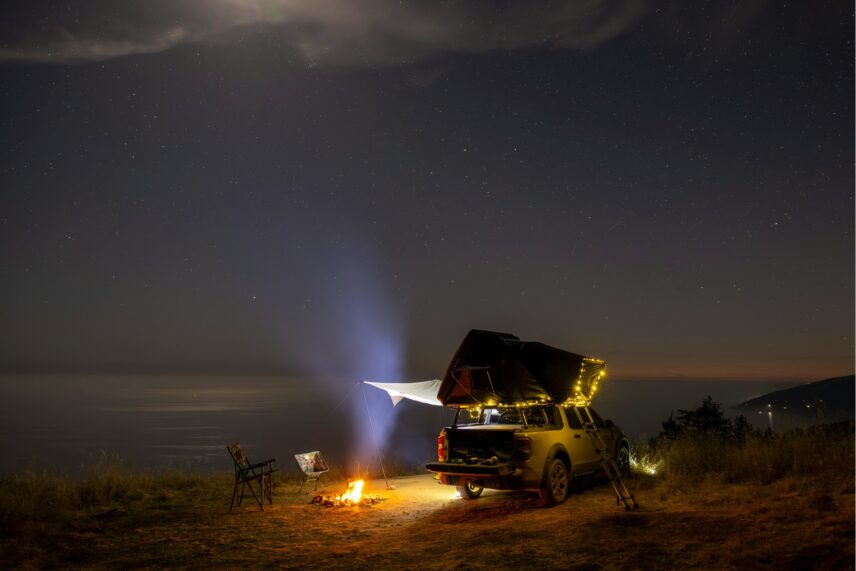
Overlanding for beginners starts with a change in attitude. The journey demands a level of grit, problem-solving and respect for the environment that goes far beyond a weekend camping trip.
Manage the Risks
When you’re dozens of miles away from the nearest paved road or cell tower, a simple flat tire or mechanical failure can quickly escalate into a survival situation. Be self-reliant. You are your own mechanic, navigator and first responder.
Because you’re operating without a safety net, your vehicle must be highly capable, rugged and equipped with plenty of cargo space for your survival gear. You also need a solid fuel economy to ensure you make it back to civilization.
Since you need a rig that can perform in harsh environments, many experts recommend starting with an older, used 4×4 rather than risking expensive body damage to a brand-new showroom truck. A used but mechanically sound vehicle allows you to focus on learning the terrain and pushing your limits.
Prioritize Conservation
The freedom of overlanding depends entirely on the continued access to public lands, which is a privilege, not a guaranteed right. There’s a growing pressure on these areas.
As overlanding becomes popular, remote trails and fragile ecosystems are seeing unprecedented foot and vehicle traffic. Don’t ignore the “leave no trace” principles. Irresponsible travel can damage habitats and cause long-term consequences, leading to tighter regulations, restricted vehicle access and even permanent trail closure.
Whether it’s packing out every single piece of trash, sticking strictly to established trails or respecting local fire bans, your actions dictate the future of overlanding. Every overlander must act as a steward of the wild so that these spaces remain open for the next generation of explorers.
Preparing for the Unpredictable
Remote travel means you are your own first responder. When you’re miles beyond the reach of cell service, mastering a few core wilderness skills and communication tactics will be your ultimate lifeline.
Master Essential Survival Skills
Having fancy overland gear is great, but batteries die and electronics fail. You need to have raw wilderness skills to fall back on when your modern conveniences leave you in the dark.
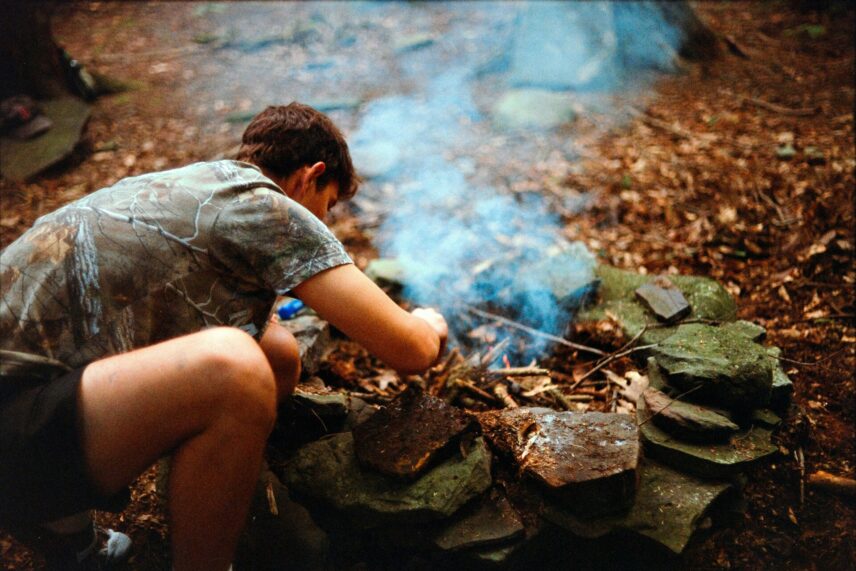
For example, knowing how to build and maintain a fire is a must for warmth and cooking. Even if you have a trusty butane lighter, consider packing fire-starting tools like flint and steel. Modern matches can get wet, and lighters can break, but mastering a striker ensures you can always generate heat. A strong fire can boost morale on a freezing night and keep flying insects and larger predators at bay.
Beyond firecraft, brush up on fundamental first aid, water purification and basic shelter-building. The more knowledge you have, the less you have to rely on what you packed in your trunk.
Stay Safe and Found
Before your tires ever hit the road, ensure someone knows your plans by leaving a detailed itinerary with a trusted friend or family member. Include your exact route, planned campsites and a strict time you expect to return to cell service. If things go sideways, the faster they can notify the authorities, the sooner search and rescue can pinpoint your location.
To take your safety a step further, invest in a satellite messenger or personal locator beacon (PLB). These devices are literal lifesavers.
In 2025, the National Oceanic and Atmospheric Administration (NOAA) reported that 70 people were rescued in 41 terrestrial incidents thanks to PLB activations. Hitting an SOS button sends your exact GPS coordinates straight to emergency dispatchers. This bridges the gap between total isolation and immediate rescue.
Planning Your Route
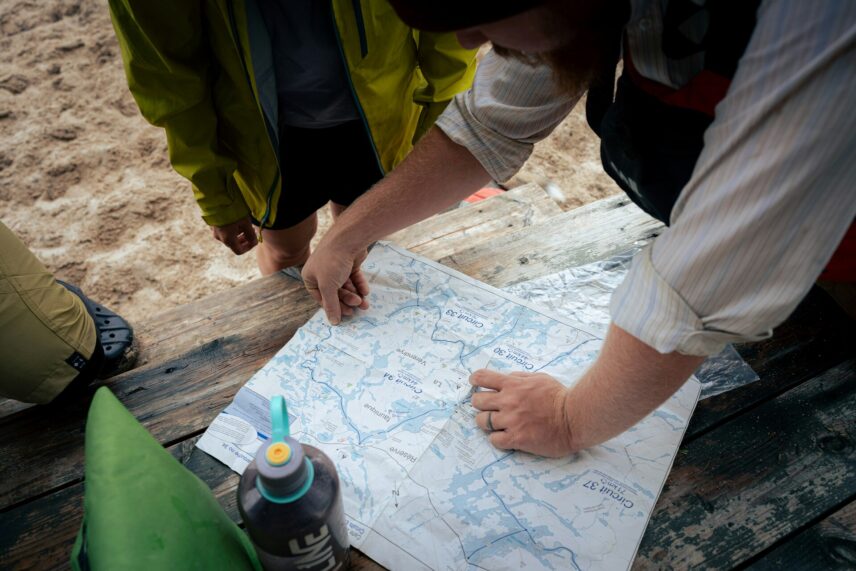
Once your rig is equipped and your safety protocols locked in, start building your itinerary. Learning how to plan an overland trip involves comprehensive logistics, like ensuring you have safe places to sleep and enough fuel in the tank to make it home.
Know Where to Camp
Overlanding relies heavily on dispersed camping. Think pulling off onto Bureau of Land Management (BLM) or National Forest land and setting up camp for free. However, you can’t just park wherever you want. Research land designations, as boundaries can shift unannounced.
National and state parks will almost always prohibit camping outside of designated sites to protect their ecosystems. Also, never attempt to stealth park within city limits or on private property. Always use offline GPS mapping apps to ensure you’re parking on legally accessible public land.
Map Out Food and Water
Unlike a weekend at a state park, you won’t have a spigot or a convenience store nearby, so you must calculate your food and water consumption for the entire trip. Pack at least one gallon of water per person, per day, just for drinking. You’ll need double the amount to account for cooking, cleaning dishes and personal hygiene.
For meals, focus on nonperishable staples that don’t rely on an ice-packed cooler or a fridge. Dry grains, canned proteins and dehydrated meals ensure you won’t go hungry if your power system fails on day three.
Maximize Rest
Wrestling a steering wheel over rocky terrain and managing a backcountry camp is exhausting. If you don’t recover properly at night, fatigue will quickly compound and lead to risky decision-making on the trail. To ensure you have the energy to maximize your experience the next day, invest in high-quality sleeping gear and prioritize your comfort.
Consider a top-notch ground tent with an insulated sleeping pad or a memory foam mattress topper in the back of your SUV. A quick-deploying rooftop tent also works. Don’t skimp out on your sleep system. Remember that a good night’s rest is your best defense against trail burnout.
Are You Ready for the Journey?
Overlanding is not for the faint of heart. It takes meticulous preparation, unwavering self-reliance and the drive to solve complex problems in remote, unforgiving environments. But if you’re willing to put in the work, you can enjoy a sense of freedom and access to the world’s most breathtaking, untouched landscapes. Pack your rig, leave a flight plan and let the journey dictate the destination.