As an Amazon Associate, Modded gets commissions for purchases made through links in this post.
For generations, the global automotive hierarchy was clear and undisputed. At the top sat German automakers like Mercedes-Benz, BMW and Audi — the architects of the premium car that set the worldwide standard for engineering, performance and prestige. Their badges were universal symbols of success, and their dominance over the global luxury car market seemed undisputed.
However, every empire eventually faces a challenger. Today, a new industrial superpower is taking its automotive ambitions global and aiming directly for the throne. The era of unchallenged German automotive dominance is over, with the primary threat coming from the East. China’s EV competition could be the death of German automakers.
The Dragon Goes Global
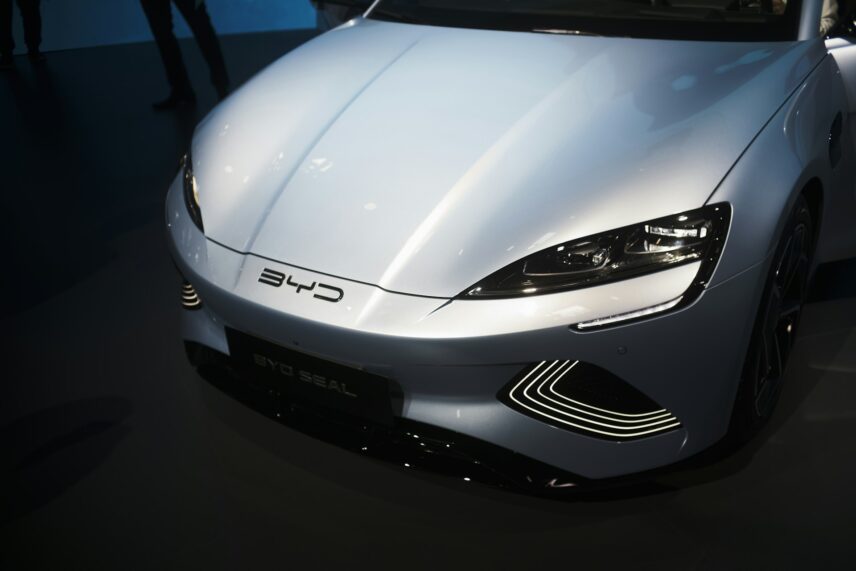
After decades of sharing its own colossal domestic market, the largest in the world, Chinese auto brands are launching a full-scale global offensive. Companies like BYD, Geely and Nio are no longer content to just win at home. They now export their vehicles to Europe, Southeast Asia, Australia and South America at an astonishing rate. Their strategy is multipronged and brilliant.
Using the global EV competition as the tip of the spear, Chinese EV brands armed with years of experience and immense economies of scale are introducing a flood of stylish, tech-forward and competitively priced electric options to international markets.
This calculated, state-backed strategy by Chinese firms aims to create an export boom to control the global vehicle market. However, the strategy isn’t just about China’s EV competition. China’s sophisticated gasoline and hybrid models, available at a fraction of the cost, are part of the push, offering a compelling mix of technology and value that’s hard for consumers to ignore.
Germany’s Two-Front Dilemma
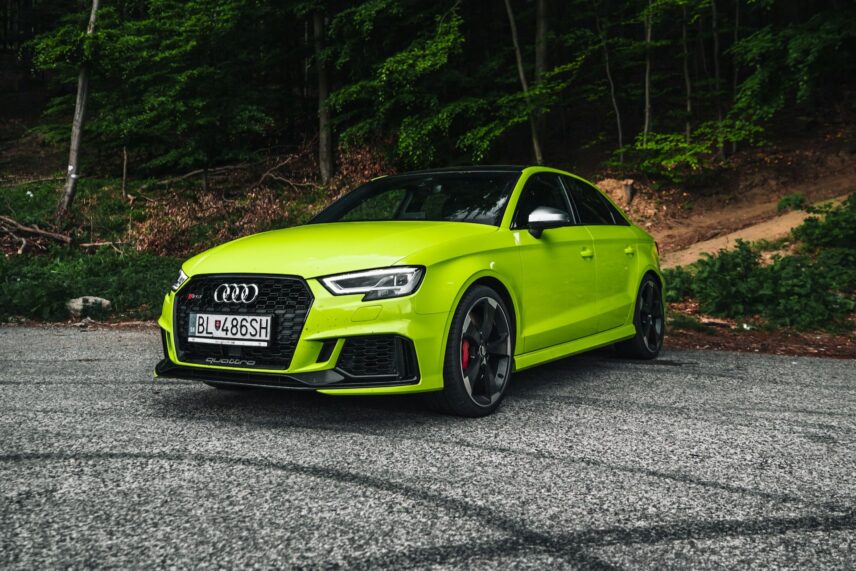
This coordinated global push places German automakers in a perilous position, as they’re now fighting a two-front war against the very same competitors. First, they’re losing ground in China itself, a long-profitable market. Foreign auto brands’ shares in China fell from 64% to 32% in five years. As that revenue stream and market share shrank due to local Chinese competition, their ability to invest and innovate was hampered.
Second, those same battle-hardened, well-funded Chinese brands are now appearing in Germany’s own backyard. A BYD sedan sold in Munich or a Nio SUV in Hamburg is a direct assault on the Germans’ home turf. This squeeze is impacting brand prestige across the board.
For example, Audi’s market share is under threat. The company’s struggles in China mean it’s offering heavy discounts on its E5 model there. The arrival of these new, aggressive competitors in Europe is also challenging the long-held status of fellow German giant Volkswagen as one of the most popular car brands in the world.
An Empire at a Crossroads
The German auto empire isn’t dead, but it’s under siege like never before. The threat isn’t just a single disruptive company but the coordinated industrial might of a nation that has mastered the new automotive rulebook of electrification, software and supply chain efficiency.
The “Made in Germany” label still carries notable weight, but to defend their empire, German companies must do more than just build good cars. They must accelerate their technological transition and simultaneously fend off competitors that are often building cars faster, cheaper and with the tech features consumers increasingly demand. The next decade will show whether the old industry emperors can adapt to fighting a new kind of war or end up outmaneuvered by a new global dynasty.