As an Amazon Associate, Modded gets commissions for purchases made through links in this post.
If you own a Ford — or you’re eyeing one on the lot — you’ve probably noticed the brand’s name popping up in recall headlines more than usual. You’re not imagining it. Ford has become the undisputed heavyweight champion of vehicle recalls, and the numbers are staggering enough to make you double-check your own Vehicle Identification Number (VIN). Here’s what’s behind the surge, what it means for your truck or SUV, and how to stay ahead of it rather than get blindsided by a letter in the mail.
The Numbers Behind Ford’s Recall Surge
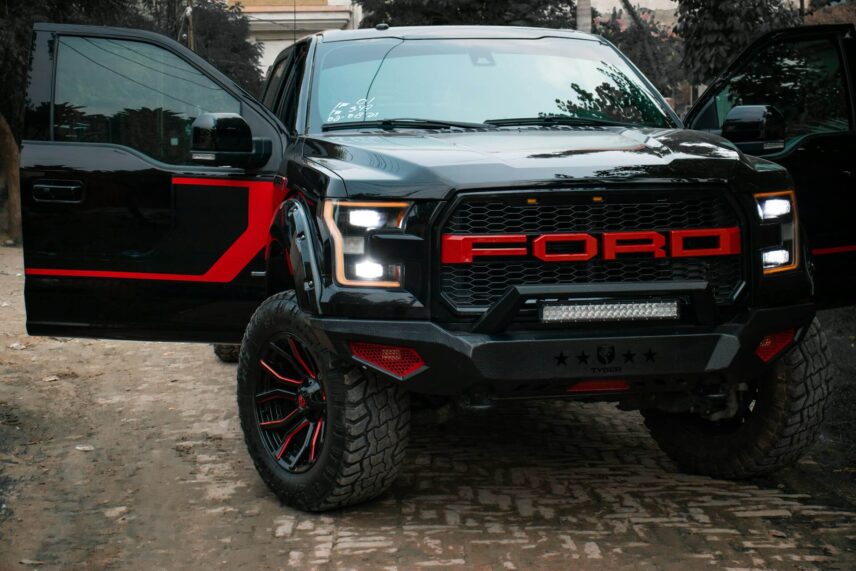
Let’s start with the scoreboard, because it’s genuinely wild. In 2025, Ford issued 153 separate recalls covering nearly 13 million vehicles, the most recalls any automaker has ever issued in a single year. That total blew past the previous record of 77 recalls, set by General Motors back in 2014.
You’d think 2025 would be a one-time spike. Instead, the pace carried straight into 2026. By mid-year, Ford had already logged more than 50 recall campaigns affecting upward of 11 million vehicles, putting the company on pace to challenge its own record before the year even ends.
To put that in perspective, more than half of every vehicle recalled in the U.S. last year carried a Ford or Lincoln badge. If you’re driving a modern F-150, Explorer, Bronco, Maverick or Expedition, the odds that your specific truck has been touched by at least one recall campaign are uncomfortably high.
That volume alone raises an obvious question. Understanding what’s actually driving the surge matters more than the headline number itself.
The Reasons Behind Ford’s Rising Recall Count

It’s tempting to assume Ford is simply building worse vehicles than everyone else. The reality is more complicated, and it says a lot about where the entire auto industry is headed.
In late 2024, the National Highway Traffic Safety Administration (NHTSA) hit Ford with a civil penalty of roughly $165 million for failing to report and remedy known defects quickly enough in past years. The penalty also required Ford to overhaul its approach to identifying and reporting safety issues under a new consent order. In plain terms, Ford shifted from reacting to defects after the fact to aggressively flagging them before they became one.
Vehicle technology adds another major factor. Today’s trucks and SUVs run on dozens of interconnected computer modules controlling everything from trailer brake lights to lane-departure alerts, part of the same growing software complexity reshaping the auto industry. Ford’s leadership has openly acknowledged that this complexity makes vehicles too hard for the average owner — or even a dealership technician — to diagnose without specialized tools.
When one software bug in the transmission control module can cascade across seven different F-Series and SUV nameplates at once, a single defect balloons into a multimillion-vehicle recall overnight.
To Ford’s credit, the company says it has more than doubled its internal safety and technical review teams and ramped up testing of critical systems, such as powertrains and braking systems. Those expanded teams are catching more issues before they cause real-world harm, and that added scrutiny also means more recalls hitting the headlines, even for relatively minor fixes delivered via over-the-air updates.
The Re-recall Problem Behind the Numbers
Here’s the part that should genuinely concern you as an owner — some of these are not new defects at all. Ford filed several 2026 campaigns specifically because a dealership had incorrectly completed a previous recall repair, sending vehicles back onto the road with the same defect. Multiple campaigns this year — covering shifters, power windows and headlights — carried the same repeat-repair designation noted in the NHTSA filing.
In one stretch alone, separate campaigns hit thousands of Focus and Fusion models for transmission clutches, tens of thousands of Escapes for faulty power windows and more than 90,000 F-150s for noncompliant headlights. Every one of those vehicles had already visited a dealership for that exact fix once.
If your Ford has ever gone in for recall work, confirm the repair actually took place rather than assuming a completed service visit resolved the issue for good.
The Recall Surge’s Impact on You
None of this recall activity means you should panic or trade in a perfectly good truck. It does mean staying proactive instead of waiting for a letter that may or may not reach you at your current address. A few habits will save you time, money and hassle.
- Check your VIN on NHTSA.gov every few months. It takes 30 seconds and shows every open recall tied to your specific vehicle, not just your model.
- Take a “Do Not Drive” notice seriously. Several 2026 recalls, including those affecting the Bronco Sport and Maverick, carried this designation due to serious steering or suspension defects.
- Confirm prior recall repairs in writing. Given how many re-recalls have surfaced this year, ask your service advisor to document exactly what was replaced or updated.
- Keep your contact info up to date with your dealer. Recall notices go out by mail, so an old address on file can mean a letter that never reaches you.
- Ask about over-the-air fixes before booking a service appointment. Ford can resolve many 2026 recalls, including software-related ones, without you ever setting foot in a dealership.
The Keys to Staying Ahead of Future Recalls
Beyond your specific vehicle, understanding Ford’s broader recall pattern helps you make a better decision before your next purchase. If you’re cross-shopping trucks and SUVs, comparing long-term reliability data across brands tells you more than a single model year’s recall count ever will — a brand that catches and fixes problems aggressively can actually be a good sign compared to one that stays quiet. Likewise, if you’re the type who likes to handle basic maintenance yourself, it’s worth knowing which recall repairs are DIY-friendly software flashes and which legally require dealer intervention.
Before you buy, run the specific model year through NHTSA’s recall dashboard rather than relying on general brand reputation. Recall concentration varies a lot by model year, and a two-year gap can mean the difference between a truck with two open campaigns and one with a dozen.
For work-truck owners specifically, fleet downtime from recall repairs adds up fast, so building in an annual buffer for service visits — much like you would for routine towing capacity checks — makes sense in this environment.
The Road Ahead for Ford’s Recall Numbers
Ford’s recall tally has climbed for reasons that go well beyond the Blue Oval simply forgetting how to build trucks. It’s a collision of stricter federal oversight, increasingly complex vehicle software and a company still working through the fallout of a costly federal penalty. That explanation makes sense, though it still leaves owners dealing with vehicles marked “fixed” that rolled back onto the road with the same defect. Stay proactive, check your VIN regularly and treat a completed recall visit as worth confirming, especially in 2026.