As an Amazon Associate, Modded gets commissions for purchases made through links in this post.
The American auto industry faces its biggest threat in decades. Chinese electric vehicles (EVs) are arriving with impossibly low prices and technology that rivals Detroit’s best. This represents a crisis that could reshape the entire car market.
The Current Price Gap
The conversation around Chinese EVs starts and ends with one undeniable fact — the price tags are shockingly low. Chinese automakers are producing electric vehicles at costs that undercut American competitors by thousands of dollars. Some models let you get a car for under $10,000 — a price that sounds absurd when you consider that EVs in the U.S. market carry roughly a $14,000 premium over comparable gas-powered cars.
The gap widens further when you look at the Chinese domestic market, where electric vehicles are less expensive than gas vehicles. This pricing advantage fundamentally changes the competitive landscape and puts enormous pressure on American manufacturers who built their business models around higher margins.
The assumption that cheap means inferior doesn’t hold up with Chinese EVs. These vehicles pack sophisticated technology, competitive range specs and build quality that challenge established automakers.
Advanced driver assistance systems, connected car features and battery technology in Chinese electric vehicles now match or exceed what you’ll find in many American and European models. The combination of low price and high quality creates a value proposition that U.S. automakers simply can’t match without fundamentally restructuring their operations.
Why Are Chinese EVs So Cheap?

Understanding the price advantage requires looking at the structural forces that enabled China’s rapid EV dominance. Two key factors gave Chinese manufacturers an edge that American automakers are now desperately trying to counter.
Government Subsidies
The Chinese government made electric vehicles a strategic priority over a decade ago and backed that commitment with serious money. Since 2009, Chinese authorities have disbursed over $29 billion to jump-start the sector. This funding covered everything from battery research to the development of charging infrastructure.
This massive investment allowed manufacturers to scale production, develop technology and establish supply chains while minimizing financial risk. American automakers without similar government backing had to balance EV development against immediate profitability concerns and shareholder expectations. The result is a fundamental cost structure disadvantage that tariffs alone can’t overcome.
Vertical Integration
Chinese EV manufacturers adopted a business model that keeps more profits in-house and slashes costs. Companies like BYD exemplify this approach, integrating operations to an extent rarely seen in Western automotive manufacturing.
The automaker manufactures 80% of its components internally, from batteries to semiconductors. This vertical integration delivers cost savings exceeding $2,300 per vehicle compared to competitors like Tesla. By controlling the entire production chain, manufacturers eliminate supplier markups and respond quickly to design changes or supply disruptions.
Why U.S. Automakers Are Worried
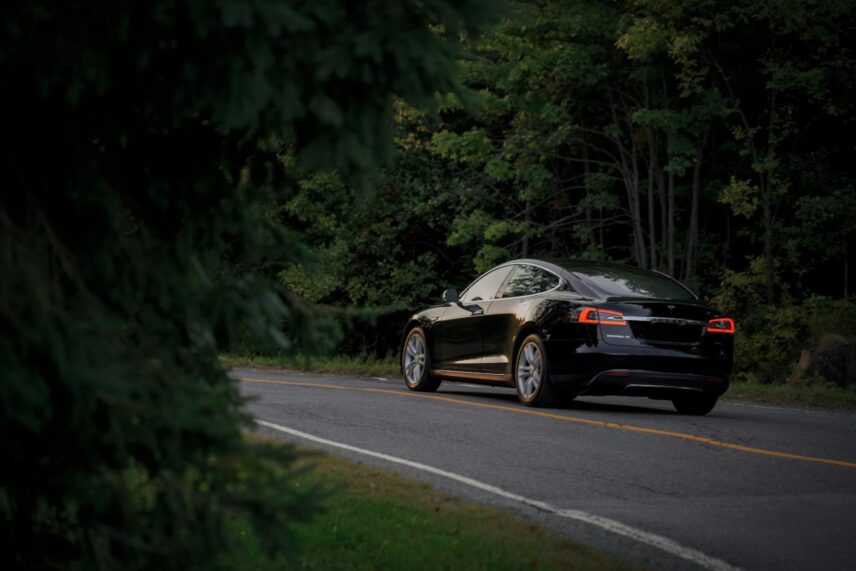
The advantages Chinese manufacturers enjoy translate directly into existential threats for American car companies. The industry fears for its survival in a market where price competition intensifies daily.
Unfair Competition
American automakers argue that competing against heavily subsidized Chinese EVs creates an uneven playing field. Without billions in government support, U.S. manufacturers struggle to match competitor prices while maintaining profitability. Legacy costs like pension obligations and established dealer networks add further financial burden.
The situation becomes more challenging when you consider that the average American buyer still finds EVs expensive. Chinese EVs entering the U.S. market at their current price points could trigger massive market displacement for American brands.
The Mexico Loophole
Trade agreements create another vulnerability for U.S. automakers. Chinese companies could establish manufacturing facilities in Mexico to bypass the 27.5% tariffs that currently protect American manufacturers from direct Chinese imports. Mexico offers lower labor costs and proximity to the U.S. market.
Republican Senator Marco Rubio proposed legislation requiring higher tariffs to close this potential backdoor. The concern carries real weight. Chinese manufacturers accessing the U.S. market through Mexico while maintaining their cost advantages would eliminate the primary protection American automakers currently enjoy.
Data and Security Risks
National security concerns add another dimension to the worry. Modern electric vehicles function as rolling computers packed with cameras, sensors and connectivity features. Data collection happens continuously during normal operation.
The EV market is projected to exceed more than $1.3 trillion by 2028, making it a significant economic and strategic sector. Government officials and security experts worry about data collection capabilities in Chinese vehicles and the theoretical possibility of remote access or control. These concerns may sound like techno-thriller plots, but the vulnerabilities are real enough that policymakers take them seriously.
What This Means for You
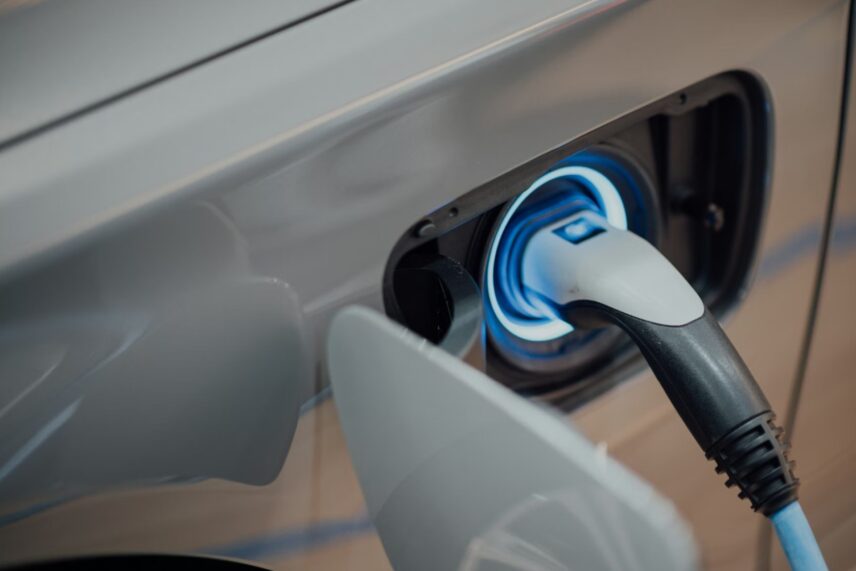
Industry battles between governments and corporations might seem distant, but they directly affect your car-buying options and wallet. Policy decisions made today will determine what vehicles you can purchase tomorrow.
Market Availability
Currently, you can’t walk into a U.S. dealership and buy a Chinese EV. Tariffs and regulatory barriers keep them out of the American market for now. No major Chinese automaker has established a retail presence in the U.S. That situation could change if trade policies shift or Chinese manufacturers establish production in North America.
Any EV purchase requires familiarizing yourself with the basics, such as understanding charging station levels and charging etiquette. The learning curve exists whether you buy American, European or eventually Chinese.
Impact on Consumers
Increased competition in the EV market could benefit you through lower prices across all brands. Manufacturers facing serious competitive pressure typically respond by improving value propositions. For instance, GM announced plans to slash EV costs by more than $6,000 per vehicle.
However, this competitive dynamic could hurt American automakers enough to cause job losses and reduce domestic manufacturing capacity. Electric vehicles have fewer maintenance requirements than traditional cars, which already disrupts the service industry. Adding cheap imports to the mix accelerates these economic shifts and threatens established employment patterns.
What’s Next for U.S. Cars?
Chinese electric vehicles represent a genuine competitive threat, combining low prices, solid technology and massive government backing. U.S. automakers face difficult choices about how to respond without similar subsidies or vertically integrated supply chains.
Tariffs and trade barriers might slow Chinese market entry. They won’t eliminate the fundamental cost advantages manufacturers enjoy, however. The American auto industry must innovate, restructure or accept a diminished global position. This shift signals a fundamental change in who builds the cars you’ll drive and what you’ll pay for them. Car enthusiasts should prepare for a dramatically different market landscape in the years ahead.