As an Amazon Associate, Modded gets commissions for purchases made through links in this post.
A glossy finish can make a car wash stand out and leave customers with a reason to return. Ceramic protectants help commercial washes deliver that extra shine, water repellency and surface protection. However, choosing the right formula involves more than promising a showroom finish. Learn how these products work, what benefits they offer and how they fit your wash system and select the best ceramic protectants for your car wash.
What Are Ceramic Protectants?
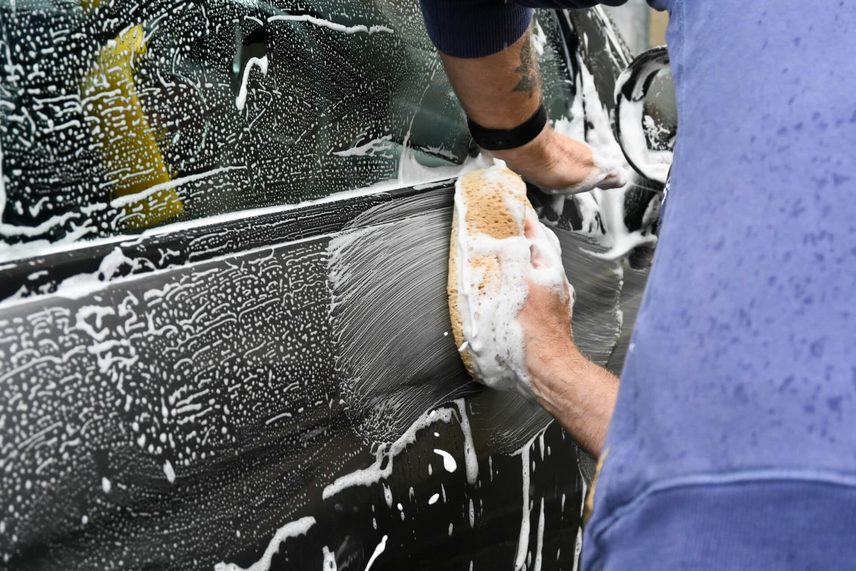
Ceramic protectants help create a protective layer on a vehicle’s exterior. They can enhance gloss, encourage water to bead off the surface and help shield paintwork from everyday environmental exposure. They typically contain liquid polymers that cure and bond with a vehicle’s clear coat, forming a durable protective layer.
During curing, the coating forms strong chemical bonds with the clear coat. This layer can last longer than traditional wax, depending on the formula and application. Ceramic protectants vary in composition and performance, so the level of protection you get and how long it stays depends on the product and how it’s applied.
Your vehicle’s existing finish also affects how it responds to protective products. Most modern cars, for example, have a clear coat over the colored paint, but some older models use single-stage paint, which combines color and protection in one layer. These finishes may require different applications.
How Do Ceramic Protectants Benefit Your Car Wash?
Ceramic protectants offer several benefits that can improve a vehicle’s appearance after a wash. If you run a car wash, these features can also help make your premium service packages more appealing.
Protect Vehicle Surfaces
Ceramic protectants create a layer that helps shield vehicle finishes from sunlight, dirt and road contaminants. Some formulas contain silica compounds that contribute to surface protection, as well as titanium dioxide that may improve hardness and ultraviolet resistance.
These protectants may also help with corrosion. Modern manufacturers usually galvanize steel with zinc to help prevent rust from developing beneath the surface. Ceramic protectants can complement this protection by adding another layer that helps shield the exterior from moisture and environmental contaminants.
Enhance Shine and Paint Appearance
Ceramic protectants enhance surface gloss, making paintwork look smoother and more reflective. This helps a freshly washed vehicle maintain a polished appearance that customers appreciate.
But how does this compare with car wax? While wax can add shine to a car’s exterior, ceramic protectants typically last longer. They help vehicles maintain their glossy finish between washes. This added durability makes them a useful option for keeping paintwork looking freshly detailed for longer.
Provide Water Repellency
Many ceramic protectants have hydrophobic properties, which encourage water to bead up or move off a vehicle’s surface. This can help water drain away more easily, which supports the drying process after a wash.
Less water remaining on the surface can also help reduce water spots, although it doesn’t eliminate them completely. Minerals in the water, weather conditions and drying methods all affect the final result.
What Should You Look for in a Ceramic Protectant?
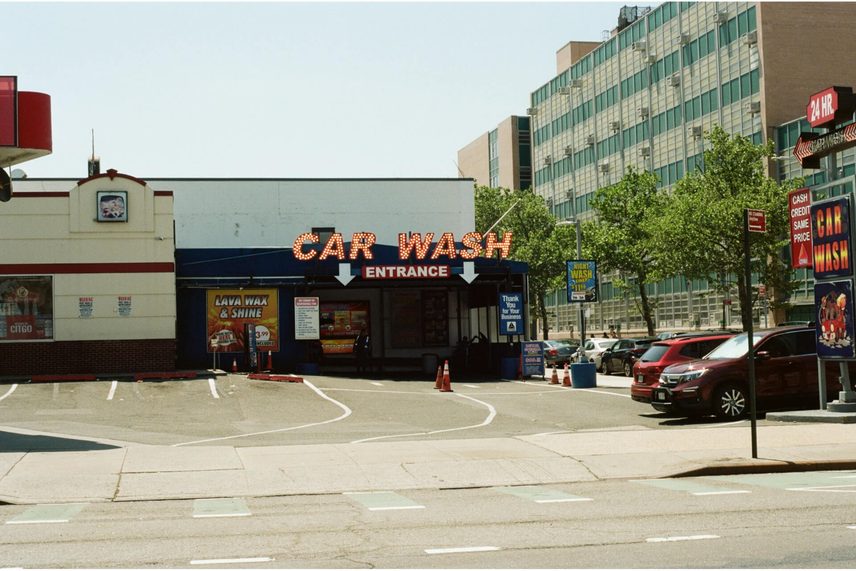
At a market value of $15.21 billion in 2022 with a projected compound annual growth rate of 5.7% from 2023 to 2030, the car wash industry offers room for growth. However, maintaining customer trust is essential to long-term success. That’s why choosing products that deliver consistent results is crucial.
Formulas Need to Match the Wash System
The ceramic protectant you choose needs to suit your equipment and operating process. Some formulas are designed for friction-based washes, while others can be used in touchless systems. Products intended for personal use may have different application requirements, so check that the formula is appropriate for your intended setting.
Before introducing a product, review its dilution ratio, application stage and equipment compatibility. Following the manufacturer’s instructions helps you use the formula correctly and get the results you’re looking for.
Concentration and Supplier Support Are Important
Highly concentrated formulas can be useful in a busy car wash because a small amount of product can treat many vehicles. To assess value, compare dilution ratios and cost per application alongside the container price. A lower up-front cost doesn’t necessarily mean a lower operating cost.
Your supplier’s support is just as important. Look for a supplier that can help you choose suitable chemistry, understand application requirements and troubleshoot issues.
What Are the Best Ceramic Protectants for Car Washes?
Informed decision-making can help you choose the best ceramic protectants available on the market.
1. JBS Industries Shine Time® Glow CERAMIC HPC
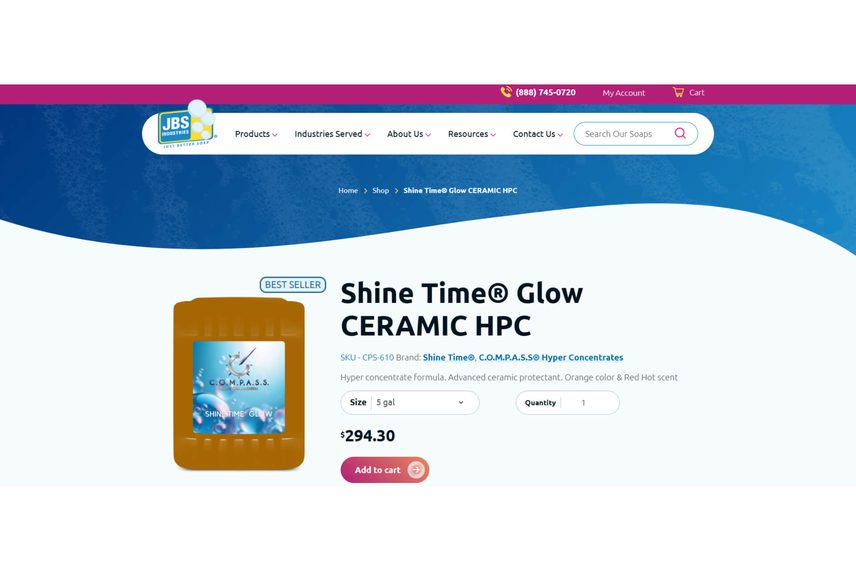
JBS Industries Shine Time® Glow CERAMIC HPC is a hyper-concentrated ceramic protectant for car washes. The Shine Time® range also includes Glaze CERAMIC HPC for gloss and water dispersion and Protect CERAMIC HPC, which bonds to vehicle surfaces to form a foaming layer. JBS Industries also provides customer service and product guidance.
Key Features
- Available in 5-, 15-, 30- and 55-gallon containers
- 450:1 dilution ratio for friction and touchless applications
- Pairs with Glaze and Protect formulas
2. DiamondShine Ceramic X3
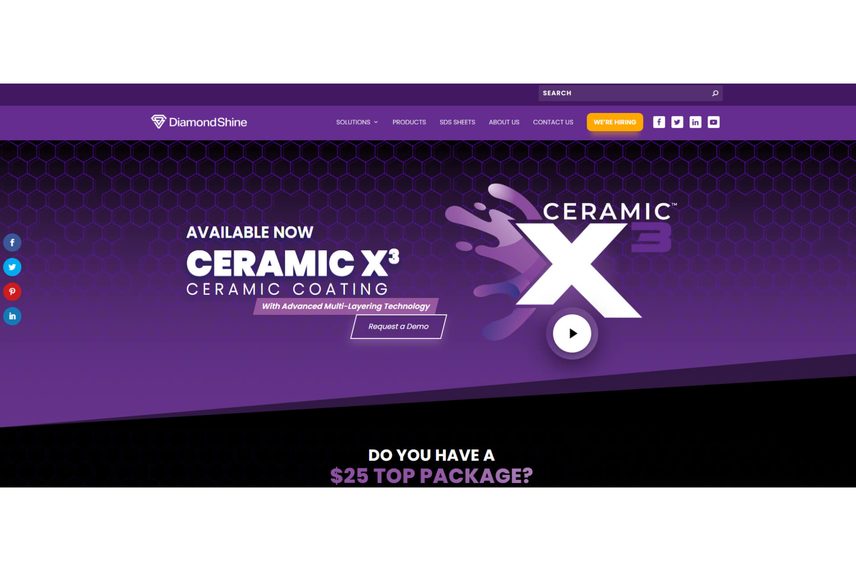
DiamondShine Ceramic X3 uses a three-step layering process to create a protective surface that repels water and resists dirt, bird droppings and other contaminants. Its hydrophobic properties promote drying and shine, making it a good fit for premium wash packages. You can also explore its custom branding and marketing support if you want to promote an upgraded service under your business’s identity.
Key Features
- Integrates with the FUSION® process
- Free design services with sign purchase
- Point-of-sale marketing materials available
3. Qual Chem Luminaura
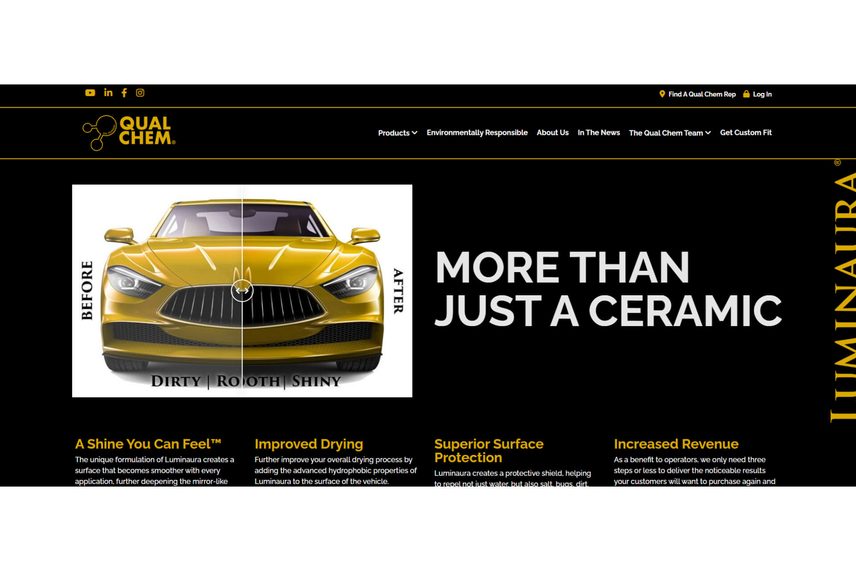
Qual Chem Luminaura combines surface protection with hydrophobic properties to improve drying and shine. Its product system includes options for cleaning, repellency and protective finishing, with packages available in three steps or fewer. You can use the range to develop premium services that suit your facility and your customers’ expectations.
Key Features
- Step 1 provides a clay bar-like cleaning effect
- Nano Hex Step 3 uses graphene technology
- TF paint polish features a lemon mojito fragrance
4. Turtle Wax® Pro Super Hard Shell Finish
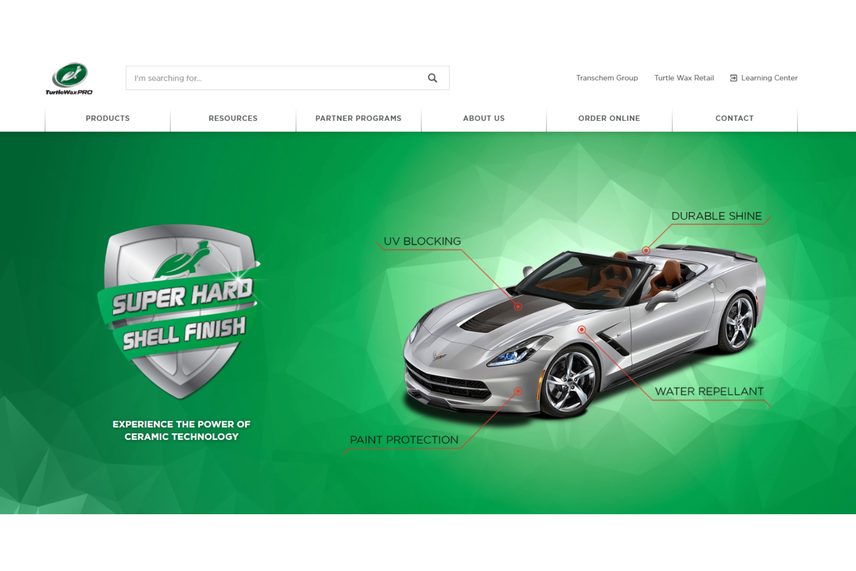
Turtle Wax® Pro brings over 20 years of ceramic technology experience to Super Hard Shell Finish. This hyper-concentrated formula suits friction-free and touchless systems, with True-Vue equipment and reclaim system compatibility. Its green foam has a watermelon scent, and 5 gallons treat an average of 1,050 cars.
Key Features
- Available in 2.5-, 5- and 30-gallon sizes
- Biodegradable formula
- pH level of 6.5–9
5. Ver-tech Labs VT7000 Vault Ceramic Protectant
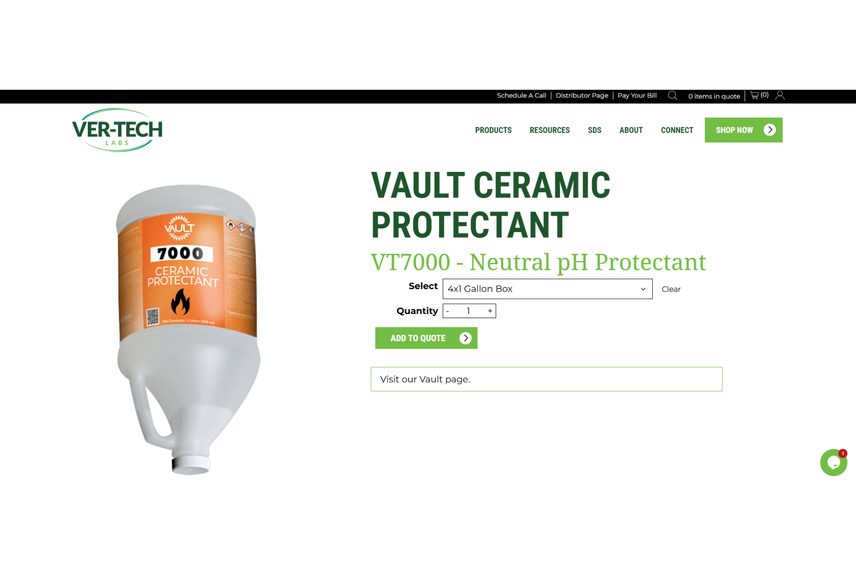
Ver-tech Labs VT7000 Vault Ceramic Protectant is designed to smooth vehicle surfaces. Its concentrated formula fills imperfections and levels the finish, helping create a mirror-like shine. You can use it with the VAULT concentrate delivery system, and its low-foam profile and reclaim compatibility offer useful details to consider for your setup.
Key Features
- Light amber color with a piña colada scent
- Metal-safe and environmentally friendly
- Compatible with reclaim systems
How Do the Best Ceramic Protectants for Car Washes Compare?
Each product offers a different combination of shine, protection and application features. Combine the best with effective rim protection and use the right application tools for any maintenance tasks.
| Product | Main Focus | Best Feature |
| JBS Industries Shine Time® Glow CERAMIC HPC | Ceramic shine and protection | 450:1 dilution ratio for friction and touchless applications |
| DiamondShine Ceramic X3 | Multistep ceramic protection | Custom branding options |
| Qual Chem Luminaura | Shine and water repellency | Flexible service packages |
| Turtle Wax® Pro Super Hard Shell Finish | Ceramic protection and gloss | Treats an average of 1,050 cars per 5 gallons |
| Ver-tech Labs VT7000 Vault Ceramic Protectant | Surface smoothing and shine | Fills surface imperfections |
Frequently Asked Questions About Ceramic Protectants
Still weighing your options? These answers cover a few common questions to help you choose a ceramic protectant that fits your needs.
Q: What does a ceramic protectant do for a car?
A: A ceramic protectant enhances gloss, encourages water repellency and adds a protective layer to your vehicle’s exterior. The level of protection you get varies.
Q: How long does a ceramic protectant last?
A: Some ceramic coatings offer longer-lasting protection than traditional wax, but the expected lifespan depends on the specific product.
Q: How should a car wash choose a ceramic protectant?
A: Compare dilution ratios, desired finish and equipment compatibility. You should also consider supplier support and training, as these can help you maintain consistent results.
Keep the Shine — Lose the Guesswork
Ceramic protectants can help you deliver glossy finishes, improved water repellency and added surface protection. Choosing the right formula starts with understanding your equipment, application requirements and desired results.