As an Amazon Associate, Modded gets commissions for purchases made through links in this post.
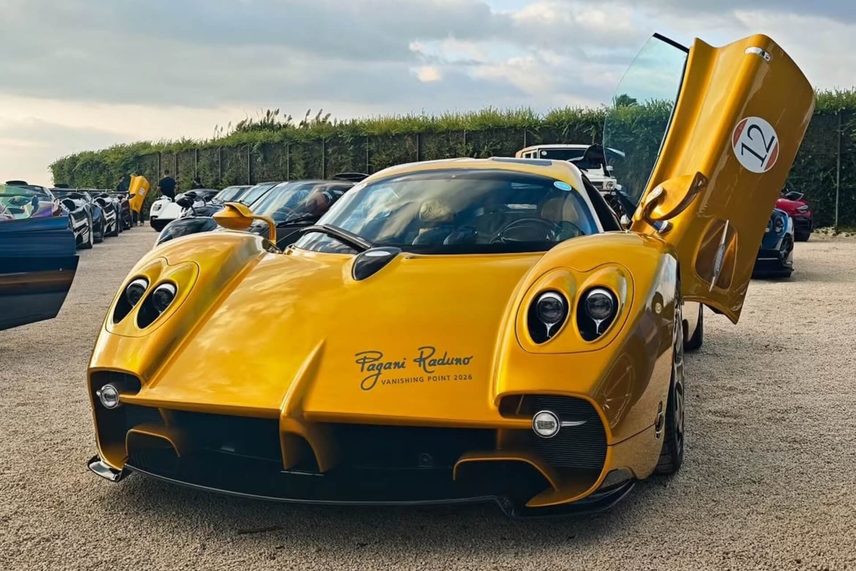
Hypercars are intrinsically rare, but Kris Singh’s Pagani Utopia is one-of-a-kind. The latest addition to the Miami millionaire’s collection boasts gold and lunar dust, turning heads and raising questions that may never be answered. Here are the details that make Singh’s custom Pagani Utopia such an unusual collector piece.
1. It Uses Real Gold in the Paint and Carries the Gold Theme Inside
Singh commissioned Karosserie, a Pennsylvania-based specialized auto body shop, to formulate a custom paint infused with 24k gold shavings and pulverized lunar rock.
Called Karosserie Lunar Gold, the finish may look like regular shiny gold from afar, but its intricate details become more apparent up close.
The collectible’s Indian-American owner, who also has one of the only 100 Pagani Huayras, spared no expense on the interiors. The interior features black leather with goldwork, plus a seven-speed shifter, pedals and dashboard gauge rims covered with the same precious metal.
Under the hood, this Utopia hides a 6.0-liter twin-turbocharged Mercedes-AMG V12 that can unleash a wave of torque at low speeds, allowing it to push at the drop of a hat.
2. Its Name References a Leonardo da Vinci Painting
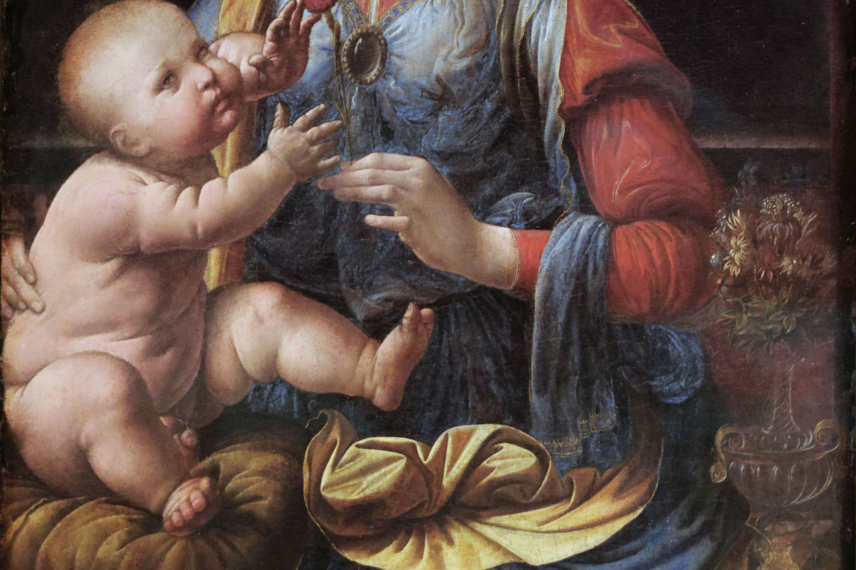
Singh named this bespoke hypercar the Madonna of the Car Nation, alluding to Leonardo da Vinci’s “Madonna of the Carnation.” It’s a fitting pun, as the 15th-century artwork inspired the Utopia’s gold aesthetics.
The famous collector appears to be an art connoisseur. Singh’s original custom moon-dust-infused auto paint project, which ultimately fizzled out, was supposed to be called Karosserie Lunar Red, which was intended for a Valkyrie. Crimson is a common theme in the separate “The Ride of the Valkyries” paintings by James Ensor and William T. Maud.
3. It Contains Actual Lunar Rock
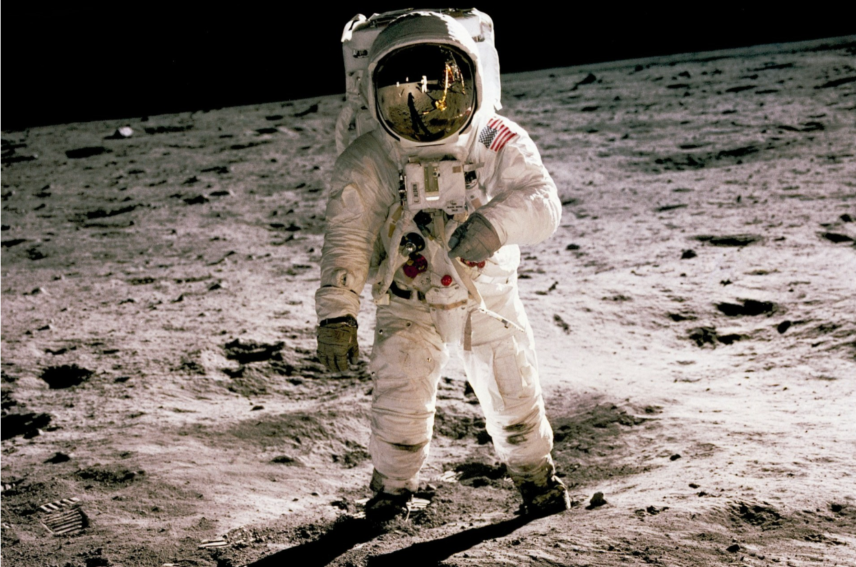
The auto aficionado first shared his concept for hypercar paintwork featuring actual lunar powder in 2018. The announcement sparked curiosity in the motoring world. Beyond the project’s feasibility, procuring the ingredient from space had been mind-boggling.
Jalopnik’s Jason Torchinsky did some digging and suggested Singh’s alleged moon dust was unlikely to have come from an Apollo mission, as a NASA source said every sample of the lunar material American astronauts brought home had been accounted for.
The dirt might not have come from cosmonauts either, as the Soviet sample sold in the ‘90s wouldn’t be enough for the paint job. Torchinsky concluded that the moon dust probably came from meteorites carrying lunar material.
Ultimately, Singh reportedly obtained the rock at an auction, a believable scenario. Dirt from the Earth’s only satellite seems more accessible than the public might think, and anyone wearing a certain Romain Jerome timepiece knows that owning a piece of the moon doesn’t require a hypercar budget.
Singh’s Utopia Comes Once in a Blue Moon
A supercar finished with flakes of 24k gold bullion and powdered rock from space proves money does make the wildest dreams come true. Whatever the truth behind the procurement and logistics of Singh’s lunar rock may be, there’s no denying the outcome was worth the effort.