As an Amazon Associate, Modded gets commissions for purchases made through links in this post.
Few rivalries in the automotive world are as enduring as the debate over Chevrolet or Ford. For more than a century, these two American brands have competed fiercely in the pickup truck and SUV markets. Whether you’re in the market for a rugged work truck or a family SUV, or simply comparing brand reputation, choosing between the two often comes down to specific priorities. Discover how they stack against each other in the areas of capacity, performance, safety, aesthetics, prestige and sales.
Capacity and Utility
For many buyers, capacity is the most practical way to compare Chevrolet vs. Ford trucks and SUVs. It includes towing capacity, payload capability, cargo space and passenger seating.
Ford has traditionally built its reputation around capability. It builds the toughest SUVs on the market, such as the Sport Bronco, which has 9.3 inches of ground clearance, exceeding that of other reliable off-roaders.
The automaker’s heavy-duty trucks, especially the Super Duty lineup, are synonymous with high towing ratings and payload capacity. These qualities make them popular among contractors, ranchers and people who tow large trailers or boats.
However, Chevy offers highly competitive capability. The Chevrolet Silverado lineup covers light-duty, heavy-duty, and off-road segments, while SUVs like the Tahoe and Suburban deliver exceptional passenger and cargo space. In the SUV category, Chevy’s large SUVs often lead in interior room. For example, the Suburban is famous for its massive cargo capacity and long wheelbase, making it a favorite for large families and fleet operators.
Overall, Ford trucks often edge ahead in maximum towing and work-focused capability, while Chevrolet SUVs tend to offer slightly more interior space and comfort for large families.
Who Makes Better Engines — Ford or Chevy?
Both brands offer strong engine lineups, but their engineering philosophies differ.
Ford is widely known for its EcoBoost turbocharged engines, which deliver strong power while improving fuel efficiency. Many Ford trucks offer turbocharged V6 engines that can rival traditional V-8s in performance.
Chevrolet, on the other hand, still emphasizes traditional V-8 power. The brand’s small-block V-8 engines have garnered praise for durability, simplicity, and strong torque. For buyers who prefer classic American muscle and straightforward engineering, Chevy engines remain highly appealing.
Performance-wise, Ford’s advantages stem from strong turbocharged engines, high torque output at lower rpm and a wider range of hybrid powertrains. Meanwhile, Chevrolet has proven V-8 reliability, smooth power delivery and often simpler mechanical design.
Ultimately, neither Ford nor Chevy clearly makes better engines. The choice depends on whether you prefer turbocharged innovation or traditional V-8 power.
Safety and Technology
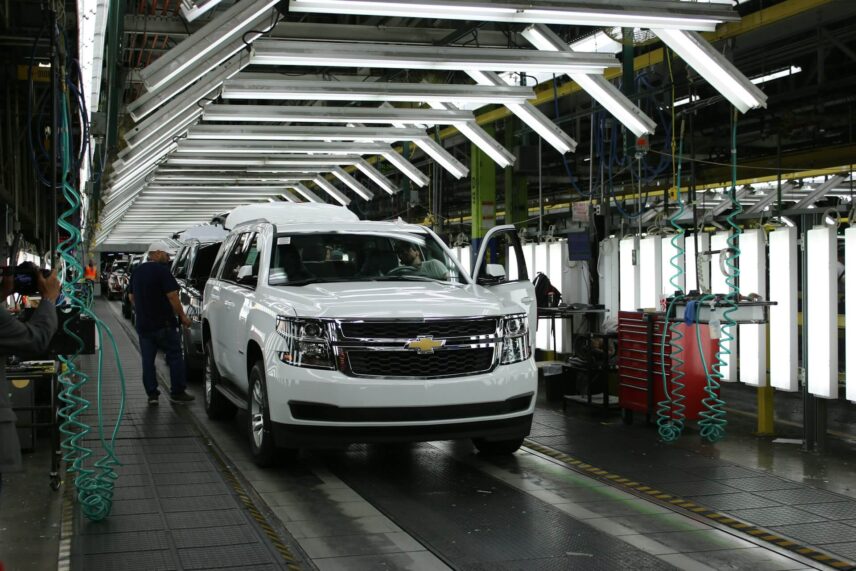
Ford and Chevrolet pack their modern SUVs and pickup trucks with advanced safety technologies, aggressively trying to outdo one another.
Ford’s Co-Pilot360 safety suite includes features like automatic emergency braking, lane-keeping assistance, blind-spot monitoring, and adaptive cruise control. These systems are widely available across Ford’s lineup, even on mid-level trims.
Chevrolet counters with Chevy Safety Assist, offering similar technologies, including forward collision alert, lane departure warning and automatic braking.
In addition, Chevrolet’s parent company, General Motors, has introduced advanced driver-assistance features, such as Super Cruise, a hands-free highway-driving system available on some models. These innovations helped the 2026 Equinox earn five-star safety ratings from the National Highway Traffic Safety Administration.
Although Ford made headlines in 2025 due to safety recalls involving hundreds of thousands of Broncos, Mavericks and Escapes, both brands regularly receive strong safety ratings in independent crash testing. Most differences come down to specific model trims and available technology packages. Even the lauded Mustang has been part of massive recalls recently.
Aesthetics and Design
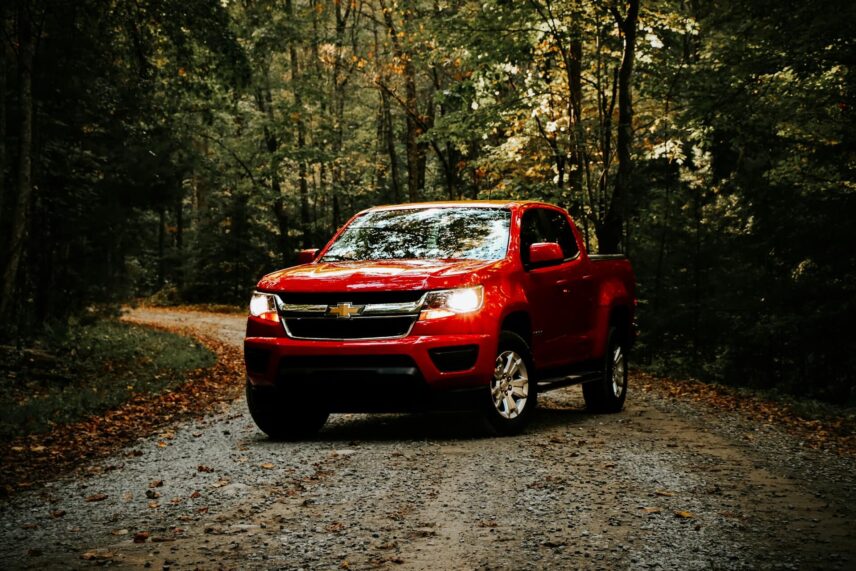
Ford designs often emphasize bold, modern styling with sharp lines and aggressive front grilles. Models like the Ford Bronco, Expedition and F-150 project a rugged, adventurous personality.
Chevrolet vehicles tend to combine muscular styling with slightly more traditional design cues. Trucks like the Silverado look strong and industrial, while SUVs like the Tahoe and Suburban lean toward a premium, upscale appearance.
Inside the cabin, both brands have offered significantly improved materials and technology in recent years. Large touch screen displays, digital instrument clusters and premium materials are now common across midrange trims.
If design matters most to you, Ford might be the better choice for a more sporty or rugged aesthetic. Chevy fits the bill if you want a more refined and traditional-looking truck or SUV.
Brand Prestige and Reputation
Ford enjoys a unique reputation tied to the F-Series legacy. Because the F-150 has dominated U.S. truck sales for decades, the brand carries strong credibility among truck owners and tradespeople.
Chevrolet, however, benefits from the broader reputation of General Motors, the largest U.S. automaker by total vehicle sales.
Chevy trucks also have strong brand loyalty, especially in regions where Silverado models are deeply embedded in local culture.
In terms of prestige, Ford enjoys the image of being the quintessential American truck brand. Chevrolet carries prestige through its long heritage and broad lineup of iconic models.
Both brands have passionate fan bases, which helps explain why the Ford vs. Chevy debate continues generation after generation.
Which Brand Sells More?

Globally, both companies are major players in the automotive industry. Ford and General Motors regularly rank among the world’s largest automakers by production and sales.
In the U.S., General Motors, which owns Chevrolet, typically sells more vehicles overall than Ford. In 2024, GM controlled a 15.6% share of the SUV market, significantly higher than Ford’s 9.6%.
Regarding pickup trucks, Ford was responsible for 43% of total sales in the same year, while GM’s slice of the pie was 36%.
The Ford F-Series remains America’s bestselling truck, though combined sales of the Chevrolet Silverado and GMC Sierra can rival or exceed Ford’s numbers in some years.
Both sell so well because of strong brand loyalty among American consumers, which they nurture by continually updating their technology and powertrains. They have extensive dealer networks that offer discounts on their behalf to move product more quickly, allowing them to stay dominant in the pickup and SUV segments.
Chevrolet or Ford? The Choice Is Yours
Buying a Chevrolet or a Ford ultimately comes down to personal priorities. If your main focus is maximum towing capability, innovative turbo engines, and the legendary F-Series lineup, Ford may be the better fit. If you prefer classic V-8 performance, spacious SUVs and a slightly more traditional design philosophy, Chevrolet might be the better choice.
Chevy and Ford produce highly capable trucks and SUVs with excellent safety technology, strong resale value, and decades of proven reliability. The good news is that there is no wrong choice, only the one that fits your needs.