As an Amazon Associate, Modded gets commissions for purchases made through links in this post.
Automotive recalls are as old as the time of Henry Ford, but they’ve been making headlines more frequently. At this rate, your vehicle or a related piece of equipment may become part of one. Learn how to check if your car has a recall to avoid causing an accident and get the issue fixed without spending a dime.
How to Check a Car Recall Through the NHTSA’s Lookup Tool
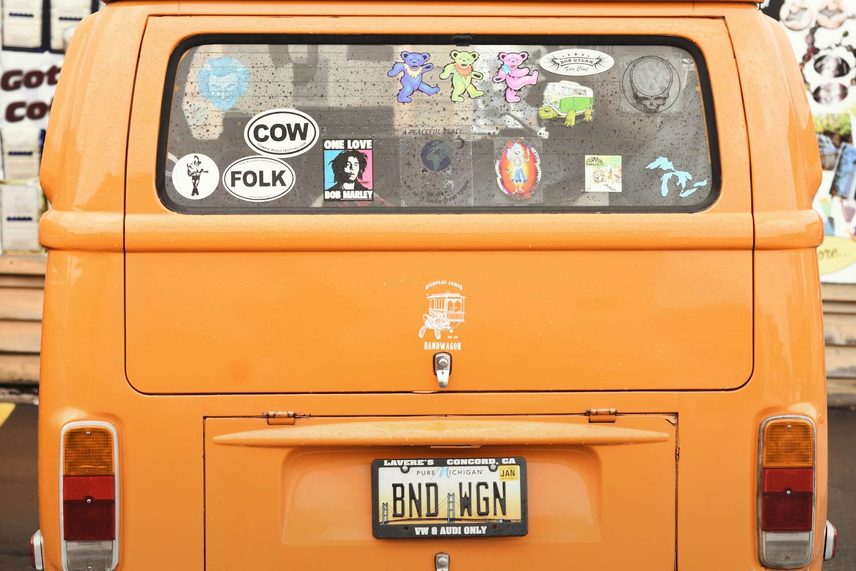
The National Highway Traffic Safety Administration’s (NHTSA) lookup tool allows you to check whether a specific vehicle requires a repair due to a recall. You can search by vehicle identification number (VIN) or license plate. Either way, the tool shows how many unrepaired recalls are associated with the information.
If you change vehicles and find that your license plate is still associated with your old car when it should be associated with your new one, reach out to the state agency responsible for motor vehicle registration to get it sorted out.
In the meantime, check car recalls by VIN. You can see this unique 17-digit number permanently stamped on the lower corner of the windshield on the driver’s side. It should be visible from the outside. Alternatively, you can find this information on the driver’s door jamb. There should be a sticker or plate on the area where the door latches.
Moreover, an NHTSA recall check can return general results for car seats, tires and other equipment, which you can search by brand name, model or line.
How Your Car Manufacturer Notifies You About a Recall
Automotive manufacturers must notify owners affected by a recall by first-class mail with the language “SAFETY RECALL NOTICE” on the outside of the envelope.
The NHTSA is proposing to revise some rules that would require manufacturers also to send electronic notifications and change the statement to “URGENT SAFETY RECALL.”
The letter may include specific instructions from the sender. “Do not drive” and “park outside” are common warnings. If the recall notice contains no specific warnings, you can still use the problem vehicle or equipment if necessary, though you should get it fixed immediately.
Furthermore, many auto brands proactively inform customers about recalls through official owner support portals on their sites. Registration is necessary, and you generally need your vehicle’s VIN, an email address and contact information to create an account.
What You Should Do If a Recall Affects Your Car
Contact a local dealer for your car’s brand to schedule a repair. Safety recall repairs should be free of charge on vehicles for up to 15 calendar years from the date of the first owner’s purchase, covering parts and labor.
This right follows the vehicle, not the owner. If you buy a used vehicle whose VIN indicates an unrepaired recall, an authorized dealer will remedy the defect at no charge.
How to Get Future Car Recall Alerts
The NHTSA can notify you of future recalls when you download the SaferCar app and add your car’s VIN. It monitors recall notices that impact your vehicle and automatically alerts you. You can also add your car seats, tires and other equipment to the app.
Using the SaferCar app is wise, even after doing an NHTSA recall check and finding nothing. It can take some time to identify all affected VINs, so you may get a false negative if you check too early whether your car has a recall.
Another way to get recall notices automatically is by subscribing to the NHTSA’s email alerts. The recall emails can be for a specific vehicle by make, year and model or all vehicles, car seats, tires, motorcycles and school buses.
Why Receiving No Safety Recall Notice Does Not Necessarily Mean No Defect

Manufacturers can generally issue recall notices voluntarily when they discover faults through internal testing and customer complaints.
Mergers and supply chain audits can also lead to safety recalls, as integrating diverse cultures and systems, especially during trying times, can be challenging for newly formed organizations. It’s a lesson Stellantis learned the hard way after it had to remedy over 781,000 Jeep Gladiators and Wranglers due to underhood fires in recent memory.
Sadly, car companies sometimes refuse to take responsibility after learning about problem components, thereby avoiding losses. Fortunately, government agencies can force the hand of automotive equipment vendors. They can order recalls when the authorities deem the defective features pose an immediate threat to public safety. Fines may be imposed to penalize erring companies and discourage repeat offenses.
For instance, the NHTSA slapped Ford with a civil penalty worth about $165 million in late 2024. The agency punished the Blue Oval for failing to report and repair known defects in previous years. Requiring the automaker to flag potential faults before they become severe issues was part of the consent order.
Another high-profile case involved Volkswagen. A 2016 class-action lawsuit alleged that it had been selling diesel vehicles with defective devices since 2009. The legal action sought a fine for each faulty item, which could amount to $18 billion in penalties and sanctions.
Why Auto Recalls Have Become So Common
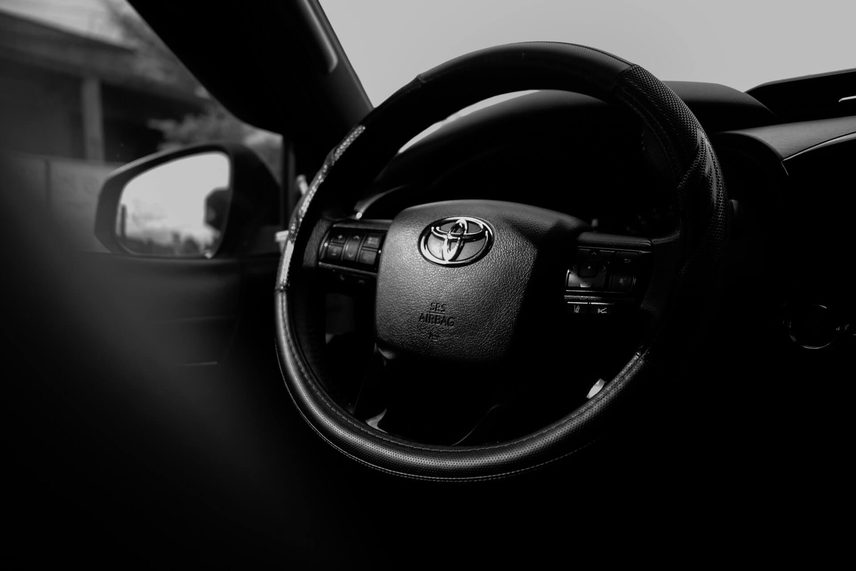
Safety recalls involving automobiles are trending upward, even as car quality improves, because vehicle design has become more complex, digitalized and homogeneous.
The advent of digital technology means contemporary automobiles are prone to software glitches. Today’s cars are basically computers on wheels, and more code creates more potential points of failure.
Regulators are enforcing standards more strictly, motivating car companies to proactively fix defects rather than wait for mandatory orders and face stiffer penalties. Considering how many shared components models across various marques have, discovering and reporting a single known equipment defect can have a cascading effect on the industry.
Takata is the ultimate cautionary tale. This airbag supplier serves automotive giants, including Toyota, Nissan, Ford and BMW, and it has been the catalyst for 65 million car recalls since 2013.
On the bright side, over-the-air (OTA) fixes have streamlined recall repairs. An OTA software update can be as fast as a few minutes, although the vehicle won’t function until it completes.
NHTSA Recall Checks Should Be Part of Routine Car Maintenance
Safety recall notices are a fact of motoring life. Still, what you should fear are unknown or unreported defects manufacturers refuse to remedy, not publicized problems with auto components. At least you can act accordingly when you’re informed, so make it a habit to check if your car has a recall to schedule a proper repair sooner rather than later.