As an Amazon Associate, Modded gets commissions for purchases made through links in this post.
If you’ve ever shopped for a project car, imported a vehicle or browsed classified ads, you’ve probably seen the term road legal or street legal. It sounds straightforward, but it covers far more than four wheels and an engine.
A road-legal vehicle meets the safety, registration and equipment standards for driving it on public roads. Whether you’re buying a modified sports car, restoring a classic or wondering whether your off-road vehicle can leave the trail, understanding what road legal means helps you avoid expensive surprises and stay on the right side of the law.
What Does Road Legal Mean?

The simplest road legal definition is a vehicle that meets all the National Highway Traffic Safety Administration (NHTSA) and Federal Motor Vehicle Safety Standards (FMVSS) requirements, as well as any stipulations of the state you live in. Some states have additional requirements, such as the maximum and minimum vehicle height, window tinting and where you attach the license plate.
When your car or truck is street-approved, it can operate on public roads in your area. Other requirements that you must meet include registering it, getting insurance cover, the right safety equipment and complying with environmental stipulations.
In the U.S., manufacturers build vehicles to meet the FMVSS, which establishes minimum requirements for crash protection, braking systems, lighting, steering and other crucial safety features. Project cars may not meet these requirements. A factory-issued vehicle must also meet the NHTSA regulations and your state’s checks for registration, insurance and inspection before you can legally drive it.
What Makes a Car Road Legal?

While each state has its own regulations, most road-legal vehicles share the same basic requirements.
Registration and Insurance
Every vehicle driven on public roads must be registered. Most states, except for New Hampshire, also require a minimum liability insurance before you can legally drive. Each state sets its own floor on this. Driving with expired registration or insurance can make a safe vehicle illegal to operate. The insurance policy should cover your own car and liability for anyone involved in an accident with you.
Working Lights
A burned-out headlight might seem like a small issue, but it can still earn you a traffic stop. Visibility is a major part of road safety. A road-legal vehicle should have functioning lights.
These include:
- Headlights with high and low beams
- Brake lights
- Taillights
- Turn signals
- License plate lights
- Reflectors where required
Safe Brakes and Tires
Brakes must work properly, including the parking brake. Tires also need sufficient tread depth and should be free from major damage, such as exposed cords or large sidewall cracks. Even high-performance cars can lose their road-legal status if worn tires or faulty brakes create a safety risk.
Windshields, Mirrors and Driver Visibility
Drivers must have a clear view of the road, and the first windshield wipers, designed in 1903, were intended to ensure you could always see where you were going.
Most states require:
- An undamaged windshield without dangerous cracks
- Functional windshield wipers
- Rearview and side mirrors
- Windows that meet legal tint limits
Seat Belts and Other Safety Equipment
Seat belts are mandatory in modern passenger vehicles, and you should ensure they are fastened when children are traveling with you. Depending on the vehicle’s age and your state, other required safety equipment may include airbags, bumpers and child restraint anchor points.
Emissions Equipment
Many states require vehicles to meet emission standards before registration renewal. Components such as catalytic converters and oxygen sensors help reduce pollution and often form part of mandatory emissions inspections. Removing this technology from your car may slightly improve performance, but it can also make your vehicle illegal for road use.
Proper License Plates
Your government-approved license plate must be securely mounted, clearly visible and properly illuminated at night. Some states require both front and rear plates, while others only need a rear plate.
Why State Laws Matter

Federal safety standards provide a nationwide baseline, but state laws often add another layer that you should pay attention to. For example, one state may require annual emissions testing while another doesn’t. Some states enforce strict limits on exhaust noise and tire types, while neighboring states have more relaxed rules. California has some of the strictest emissions laws and also requires steep liability insurance coverage.
A modified vehicle illustrates this difference well. A lifted truck, lowered sports car or custom exhaust system may comply with regulations in one state but not in another. If you’re moving, buying an out-of-state vehicle or planning major modifications, check local requirements before assuming the car is road-legal where you live.
Can a Car Lose Its Road-Legal Status?

A vehicle isn’t automatically street legal forever. Owners sometimes do illegal modifications to their cars. In other cases, normal wear eventually creates safety issues, such as a weakened suspension that makes the car unsafe to drive.
In case you have been in an accident, you may wonder if you can still legally drive your damaged car. It depends on the damage and where you live. Minor damage, like a bent bumper or a small crack in the windshield, is probably still safe to drive while you wait for your mechanic to have time to fix it.
However, you should avoid driving it if the damage limits your vision, endangers others with bent body panels, or if the air bag has been deployed, as these are traffic violations. Most likely, the police will issue instructions to have it towed or impounded. Even minor issues can create legal problems if they violate your state’s equipment laws.
Road Legal vs. Track-Only vs. Off-Road Vehicles
Not every vehicle is designed for public roads.
| Vehicle Type | Can Drive on Public Roads? | Examples |
| Road legal | Yes | Passenger cars, pickup trucks, SUVs, motorcycles |
| Track-only | No | Race cars, drag cars, purpose-built circuit cars |
| Off-road | Usually no | Dirt bikes, ATVs, side-by-sides |
Track cars often skip equipment required for everyday driving, including headlights, turn signals, airbags or emissions controls. Likewise, many off-road vehicles prioritize trail performance over highway safety requirements. Some specialty vehicles can become road-legal after modifications, inspections or changes to registration, although the process varies by state.
What Happens If You Drive a Car That’s Not Road Legal?
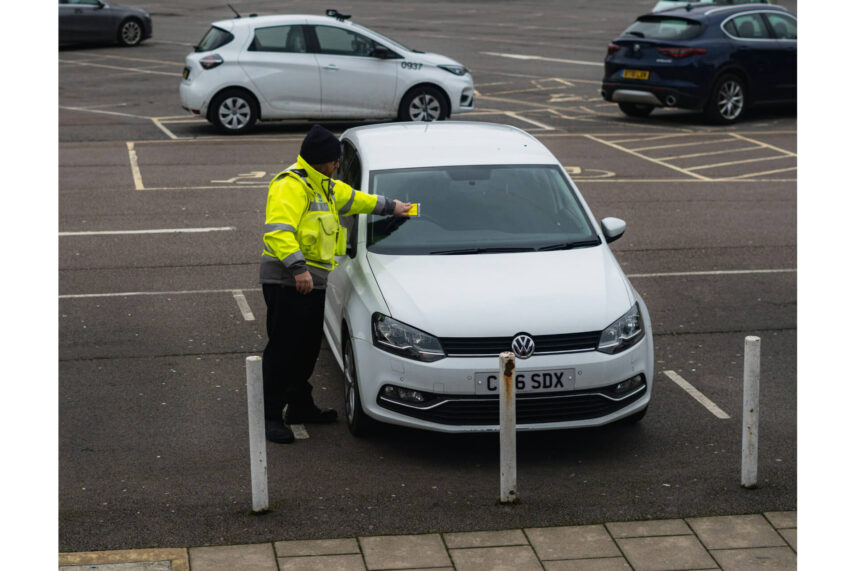
Driving a vehicle that fails to meet legal requirements can become expensive quickly. Depending on your state and the specific violation, you could face severe consequences.
| Possible Consequence | What It Means |
| Traffic citations | You may receive a ticket for operating a vehicle that doesn’t meet legal requirements. |
| Failed safety or emissions inspections | Your vehicle may fail a required inspection, preventing registration or renewal until repairs are completed. |
| Registration renewal delays | Some states won’t renew your registration until outstanding safety or emissions issues are resolved. |
| Insurance complications after an accident | Illegal modifications or an unroadworthy vehicle may complicate claims or affect coverage, depending on your policy and the circumstances. |
| Vehicle impoundment | Serious violations, such as driving an unregistered or unsafe vehicle, may result in your car being towed and impounded. |
Beyond the legal consequences, road-legal requirements exist to protect everyone using public roads. Faulty brakes, poor visibility and unsafe tires increase the risk of crashes for you and other drivers.
How Can You Check If a Vehicle Is Street Legal Before You Buy?
If you’re buying a used or modified car or truck, spend a few extra minutes confirming its legal status before handing over your money.
| What to Check | How to Verify It |
| Clean title and matching VIN | Compare the VIN on the dashboard, driver’s door jamb and title. A vehicle history report can also help identify title issues or discrepancies. |
| Current registration | Ask the seller for the registration documents and confirm they match the vehicle. In some states, you can also verify registration through the DMV. |
| Valid inspection records | Review the inspection certificate or paperwork if your state requires safety or emissions testing. |
| Working lights, mirrors and wipers | Test every light, operate the turn signals and wipers, and make sure all mirrors are secure and provide a clear view. |
| Safe tires and brakes | Check the tire tread for excessive wear and take the vehicle for a test-drive to evaluate braking performance. If you’re unsure, have a trusted mechanic inspect it. |
| Properly installed emissions equipment | Look for signs that components such as the catalytic converter haven’t been removed or altered. An emissions inspection or mechanic can confirm compliance. |
| Legal modifications | Ask for receipts for aftermarket parts and compare modifications with your state’s vehicle equipment regulations. |
| Insurance eligibility | Contact your insurance company with the vehicle’s VIN before buying to confirm they’ll cover it and to get an estimated premium. |
Road Legal Means Ready for Everyday Driving
A street-legal vehicle offers more than just reliable transportation. It meets the safety, equipment and legal standards required for public roads. Keeping registration current, maintaining the required safety features and following your state’s regulations helps you avoid unnecessary fines while giving you confidence every time you get behind the wheel.