As an Amazon Associate, Modded gets commissions for purchases made through links in this post.
Cars have already been more than a way to get from one place to another. They’re a form of self-expression, a status symbol and sometimes even a rolling experiment in what’s considered cool. Every generation has embraced trends that seemed like they would last forever. Then, almost overnight, they disappeared. Some of these fads faded because technology moved on and others became a victim of fashion. Here are some of the most memorable car fads that eventually drove off into history.
- Fuzzy Dice Hanging from the Rearview Mirror
Few accessories are as iconic as a pair of oversized fuzzy dice swinging beneath the rearview mirror. They became especially popular during the 1950s and 1960s, when hot rod culture was booming in the United States.
The dice symbolized taking chances and living life on the edge. They also gave otherwise ordinary cars a little personality. Bright colors made them stand out, and they quickly became a staple at car shows and drive-ins.
Today, they’re mostly seen on classic cars or as a nostalgic nod to vintage motoring. Modern drivers are also more aware that hanging objects from the mirror can obstruct visibility, and in some places, they’re even restricted.
- Massive Hood Ornaments
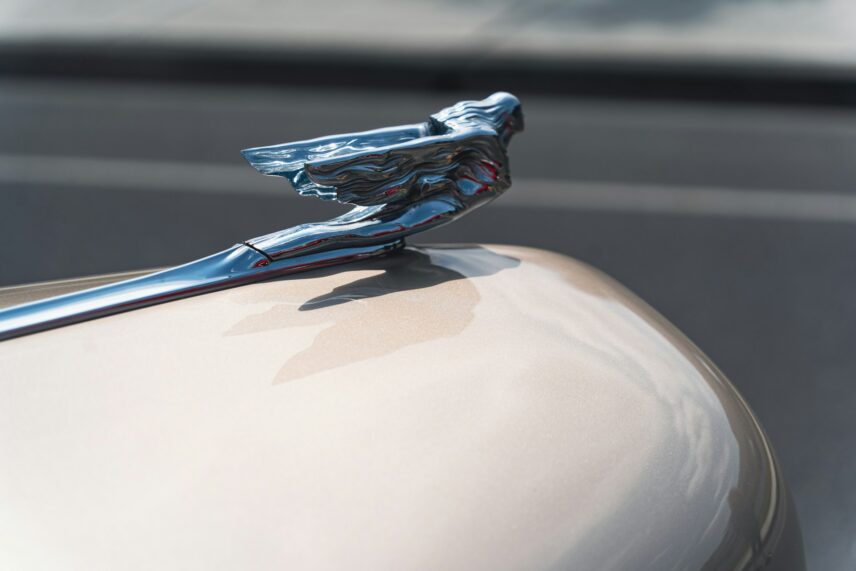
There was a time when a large hood ornament was the ultimate badge of luxury. Automakers competed to create elegant designs that made their vehicles instantly recognizable from a distance.
Many ornaments featured animals, birds with outstretched wings or sleek chrome sculptures that reflected the style of the era. While they were mainly decorative, they also represented prestige.
As pedestrian safety standards became stricter, manufacturers began removing or redesigning hood ornaments. Many luxury brands replaced them with flat badges or retractable versions that disappear into the hood if struck.
- Fake Wood Paneling
Wood paneling on station wagons once screamed family adventure. While genuine wood appeared on some early vehicles, later versions relied on vinyl decals to mimic the look of timber. This worked because, without maintenance, wood tends to crack and warp.
Throughout the 1960s and 1970s, fake wood paneling became incredibly popular. It gave family cars a warm, upscale appearance without the cost of real wood.
Eventually, changing design trends favored cleaner, more modern bodywork. What once looked sophisticated began to feel outdated, and manufacturers quietly phased it out.
- CB Radios
Before smartphones and navigation apps, CB radios were the social network of the highway. Drivers used them to chat with fellow motorists, warn about traffic jams and even share weather updates. Truck drivers especially relied on CB radios for communication during long journeys, but everyday motorists embraced them too after movies and TV shows helped popularize the trend.
Once mobile phones became affordable and GPS technology improved, the average driver no longer needed a dedicated radio. While CB radios remain useful in certain industries and off-road communities, they’ve largely disappeared from family cars.
- Pop-Up Headlights
Few automotive features were as satisfying as pop-up headlights. Hidden during the day and rising dramatically at night, they gave sports cars a futuristic personality.
Manufacturers loved them because they improved aerodynamics while allowing larger headlights to stay concealed when not in use. Drivers loved them too because they looked cool.
Unfortunately, the mechanisms added complexity and cost. More importantly, changing safety regulations and advances in headlight technology made them unnecessary. Today’s slim LED lighting systems achieve the same sleek appearance without moving parts. Additionally, LED headlights have a long lifespan and make driving at night easier.

- Car Bras
In the 1980s and 1990s, covering the front of your vehicle with a black vinyl “car bra” was considered both practical and stylish. Owners believed these covers protected the paint from stone chips, insects and road debris. Some even felt the contrasting black material gave their car a sportier appearance.
Over time, people realized that the covers could trap dirt and moisture against the paint, potentially causing scratches and damage rather than preventing them. Modern paint protection films now provide far better protection without changing the car’s appearance.
- Neon Underglow Lights
Nothing captured early-2000s Turner culture quite like neon lights glowing underneath a car. Inspired by street-racing films and custom-car shows, underglow kits transformed ordinary vehicles into rolling light displays. Blue, green, purple and bright red were especially popular, making nighttime cruises feel like something from a science fiction movie.
As trends shifted and regulations in many areas limited certain lighting colors, underglow gradually lost mainstream appeal. LED lighting still appears on custom builds, but it no longer dominates car culture the way it once did.
- Spinner Wheels
For a brief period, spinner wheels were impossible to ignore. These eye-catching rims featured a center section that continued spinning after the vehicle stopped moving. The effect attracted attention wherever the car went and became especially popular thanks to music videos, celebrity culture and custom car enthusiasts during the early 2000s.
Eventually, tastes shifted toward simpler wheel designs. High-quality alloy wheels became more desirable than flashy moving accessories, leaving spinner wheels as a symbol of a very specific era.
- Bench Front Seats
Many older cars featured a single bench seat across the front rather than two separate seats. Families appreciated the extra room, and it allowed three passengers to sit across the front row when seat belt laws were less developed. The design created a spacious cabin that felt more like a living room than a cockpit. The Stout Scarab was popular for its bench seating, which was so large it could fit a card table.
As vehicles became more focused on driver comfort, safety and ergonomics, bucket seats took over. Integrated airbags, adjustable seating positions and center consoles all helped make the traditional front bench seat increasingly rare.

- Chrome Everything
There was a time when it seemed impossible to have too much chrome. Bumpers, mirrors, grilles, trim, wheel covers, door handles and even dashboard details gleamed in the sunlight. Chrome represented quality and luxury, and automakers used it generously to help vehicles stand out. However, chrome can be hard to maintain as it requires regular cleaning.
Today’s styling trends lean toward subtle finishes, black accents and body-colored trim. Chrome still appears on many vehicles, particularly luxury models and pickup trucks, but the days of covering nearly every surface in shiny metal are largely over.
Why These Car Fads Still Matter
Even though these car fads have disappeared from everyday roads, they remain an important part of automotive history. Each one reflects the priorities of its time, whether that was style, convenience, technology or standing out from the crowd.