As an Amazon Associate, Modded gets commissions for purchases made through links in this post.
Walk through any dealership lot today and you’ll notice something. Modern transport is focused on bigger cars. Your daily driver probably weighs more and takes up more space than the one your dad drove twenty years ago and that’s not by accident. From new safety tech to the shift toward SUVs, several forces are reshaping how much metal ends up in your driveway.
Why Vehicles Have Grown So Much Larger
Cars have not always trended in one direction. Between the ’70s and the early ’80s, fuel economy climbed while vehicles got lighter and government mandates pushed manufacturers toward smaller frames. That changed by the mid-2000s. Fuel economy, horsepower and weight all started climbing together and they have not stopped since. Compare a 2005 sedan to today’s version of the same model and you’ll notice a wider stance, a taller ride height and a curb weight that’s several hundred pounds higher, resulting in heavier cars.
The shift traces back to three overlapping forces. Stricter safety rules, a buyer base that wants trucks and SUVs and a growing electric vehicle segment that carries serious battery weight all play a part. Each factor adds pounds on its own. Together, they explain why the truck in your neighbor’s driveway dwarfs the one his dad used to drive.
Safety Regulations Add Weight and Bulk

Federal safety standards account for much of the added bulk you see on today’s roads. NHTSA has proposed a pedestrian protection standard for passenger vehicles weighing up to 10,000 pounds, aimed at reducing serious injuries in child and adult pedestrian crashes. Meeting a standard like that means reinforced hoods, softer front-end structures that still hold up in a crash and additional crumple zones built into the frame.
All of that adds real weight in return. Every airbag system, every reinforced pillar and every sensor array for driver assistance tech adds material to the vehicle. Take a modern full-size pickup, for example. Its frame has grown more complex over the last two decades to meet crash test requirements while still supporting a heavy payload. The tradeoff is real. A safer cabin usually means a heavier one and that’s one of the more overlooked answers to why your current car outweighs the one from your childhood.
SUVs and Trucks Dominate Consumer Demand
Regulation only tells part of the story. American buyers have shifted hard toward SUVs and trucks and manufacturers have closely followed that demand. Recent federal data shows truck SUVs make up half of new vehicle production nationwide, a trend that keeps growing year over year. Sedans, once the default choice for commuters, have lost ground steadily since the mid-2000s.
Automakers know where the profit sits and that’s why manufacturers prioritizing SUVs and trucks over smaller cars has become a standard strategy across the industry, even as production costs climb. A larger vehicle body, a taller ride height and extra cargo space all add weight before any options get added. Ford’s F-150 makes a clear example. The truck is capable of hauling up to 14,000 pounds and it has grown in nearly every dimension since its first generation to meet towing and hauling demands.
Electric Vehicle Batteries Push Weight Upward
Electric vehicles add a new variable to the weight equation. Lithium-ion battery packs are dense and heavy and federal data confirms that battery electric vehicles run heavier than comparable gas-powered models. That extra mass comes from the pack itself, which often spans the length of the vehicle floor to maximize range. Manufacturers have worked to reduce costs and battery pack costs fell 90% on a per-kilowatt-hour basis between 2008 and 2023, making larger packs more affordable to build into everyday vehicles.
Rivian’s R1T offers a clear example of what this looks like in practice. The electric pickup completed a 13,000-mile electric expedition across South America, proving both its range and durability. Still, it also carries a battery pack that adds well over a thousand pounds to the vehicle’s total weight. As EV adoption grows, expect this factor to keep pushing average vehicle weight upward, even as battery technology improves.
Tech Features and Comfort Additions Add Pounds

Weight comes from more than just crash structures and batteries. Modern infotainment systems, upgraded sound insulation and driver assistance technology all add pounds that buyers rarely think about. Automatic emergency braking, once optional, will soon come standard on every new vehicle, as it becomes mandatory for nearly all passenger cars and light trucks by 2029.
Every camera, radar sensor and control module needs wiring, housing and processing hardware and that hardware carries weight. Larger touch-screen, heated and cooled seats and additional speakers for premium audio systems stack on top of that. Each addition feels minor on its own, but they add up fast across a full vehicle build. A loaded trim level can weigh several hundred pounds more than a stripped-down base model of the same car and comfort features account for much of that weight.
What This Means for You Behind the Wheel
You still have plenty of room to find a vehicle that fits your life despite these trends. A few practical habits can help you navigate a heavier-vehicle market. Check curb weight, not just horsepower, when comparing trims, since a jump in weight often means higher fuel or charging costs down the road.
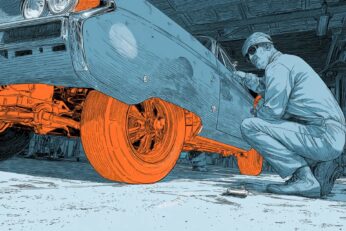
Measure your garage and parking situation before buying a full-size truck or SUV, since modern dimensions have grown beyond what many older garages were built for. Ask about tire and brake wear too, since heavier vehicles put more stress on both. If you love the outdoors, four-wheel drive is ideal for off-road trips and remains one of the best reasons to choose a larger vehicle in the first place. Talk to your dealer about trim-specific weight differences before you commit, since even the same model can vary by hundreds of pounds between base and loaded configurations.
Frequently Asked Questions
A few more questions come up often when drivers start comparing today’s vehicles to older models.
Why do new cars weigh more than older models?
New cars weigh more due to stricter safety standards, a shift toward SUVs and trucks and the added weight of EV battery packs. Comfort features and technology add further weight on top of that.
Are heavier cars less fuel-efficient?
Generally, yes. Added weight requires more energy to move, lowering fuel economy in gas-powered vehicles and reducing range in EVs. Manufacturers offset some of this with more efficient engines and lighter materials elsewhere in the build.
Do heavier vehicles cost more to maintain?
Heavier vehicles often see faster tire and brake wear, which can raise maintenance costs over time. Insurance and fuel or charging costs can also be higher for heavier vehicles in the same class.
The Weight of the Matter

Cars have grown heavier for good reasons. Safety standards protect you and pedestrians. Consumer demand for SUVs and trucks reshaped what automakers build. Electric vehicles brought battery weight into the mix. You can still shop with confidence once you know what’s driving the size increase. Compare curb weights, measure your garage and ask your dealer about trim differences before you sign and you’ll find a vehicle that truly fits your life.