As an Amazon Associate, Modded gets commissions for purchases made through links in this post.
Having an exotic pet reflects an extraordinary life. The challenge, however, is finding that sweet spot. You want a fascinating creature whose needs and lifestyle align with yours, but you don’t want the hassle, cost and red tape that comes with a complex government licensing system. Here are some of the most impressive exotic pets you can own without a license in most places.
1. Bearded Dragons and Leopard Geckos
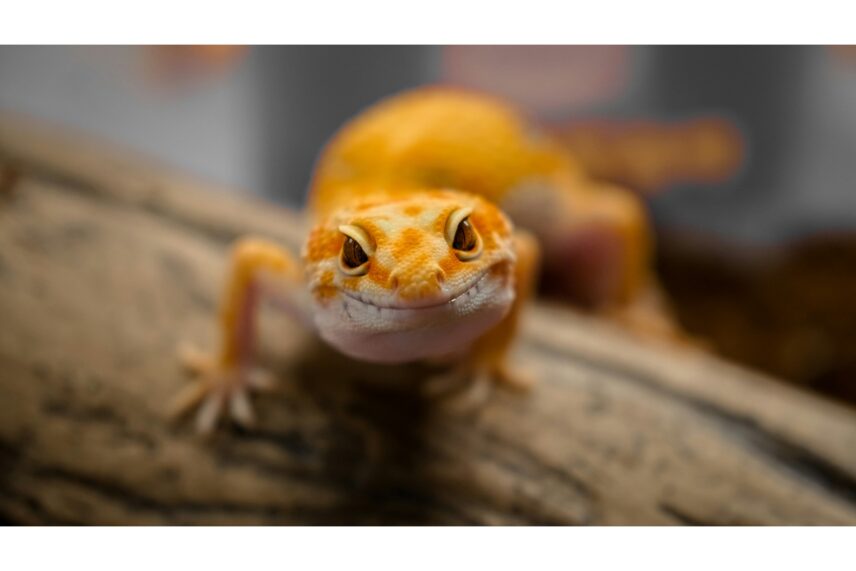
Think of these as the confident, entry-level choices into the world of reptiles. Their docile and calm nature makes them easy to handle. Plus, they won’t shred your furniture. To set up their habitat, you’ll need the right tank, substrate and heating lamps to mimic their natural environment. After that, you just need to manage the contained ecosystem.
If you’re considering a lizard or gecko, you’d be joining a community of enthusiasts, as around six million households in the U.S. own reptiles. With proper care, these reptiles can live for 10 to 20 years. They’re excellent long-term, low-key companions.
2. Non-Venomous Snakes
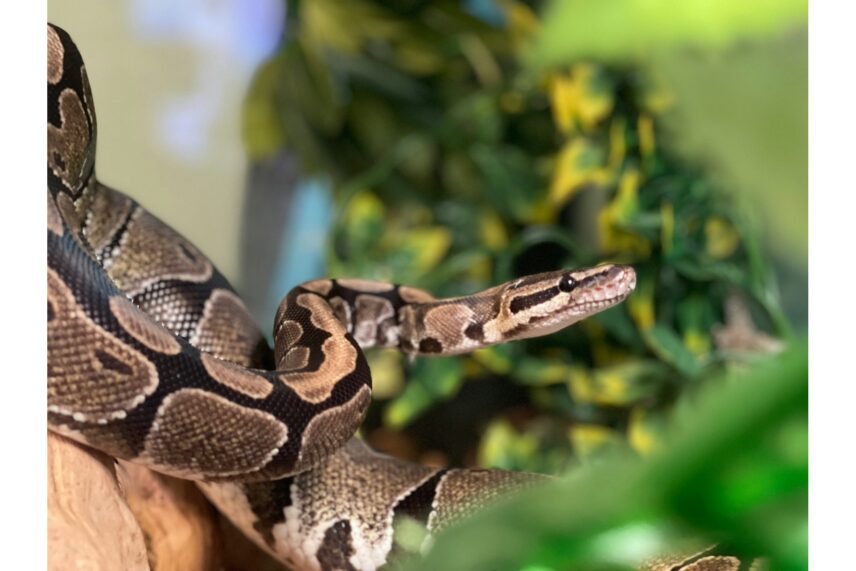
Species like the corn snake or ball python are a great place to start, as they’re known for being calm. They also come in various stunning color patterns.
Before you buy one, keep in mind that snakes are solitary creatures. They appreciate being left alone most of the time. Also, even non-venomous snakes can strike if provoked, so learning to read their body language is crucial. A good pair of tongs for feeding time can help keep your hands safely out of the way.
3. Axolotls
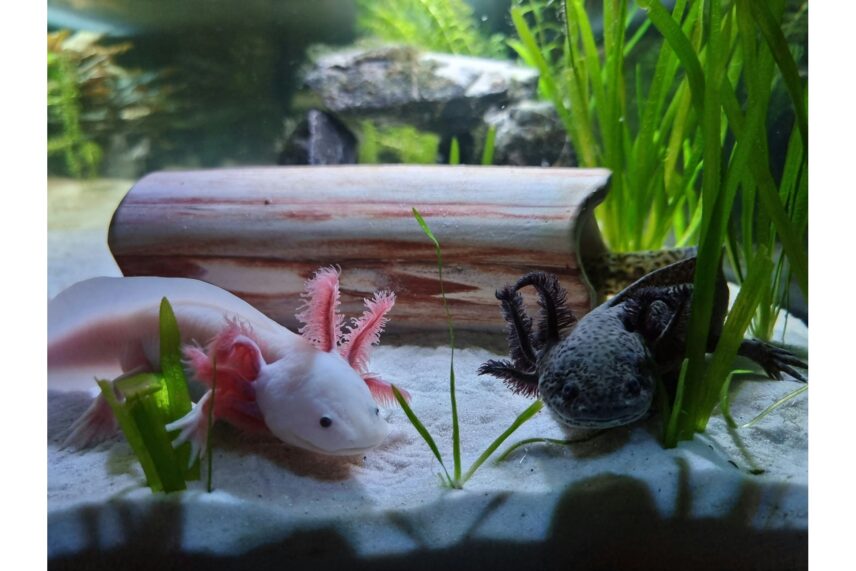
With their feathery external gills and permanent smile, axolotls are some of the most exotic pets you can own without a license. They’re fully aquatic and create a mesmerizing sight in a home aquarium, especially if your setup includes caves and plants for them to explore.
Axolotls are relatively easy to take care of. Young ones eat daily, while adults only need to be fed three to four times a week. The key to keeping them healthy lies in maintaining cold, pristine water conditions.
4. American Bullfrogs
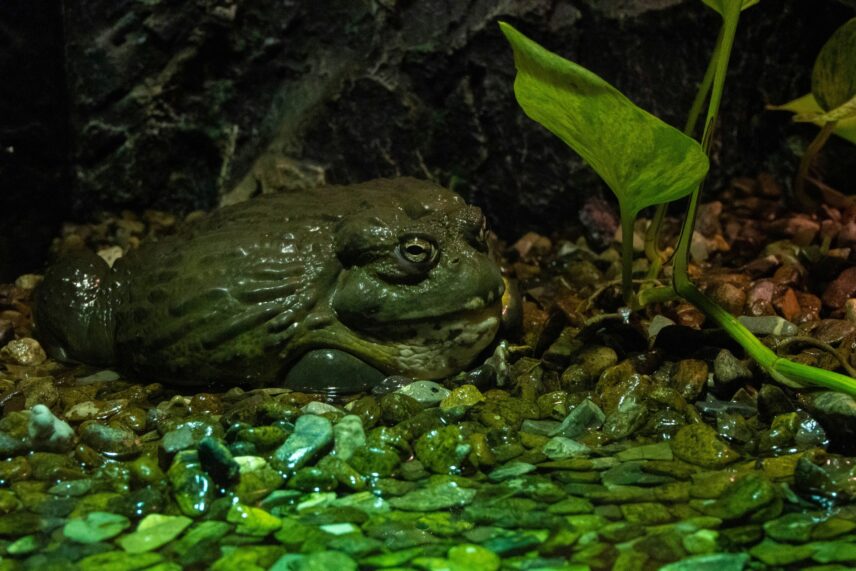
American bullfrogs are known for their deep, resonant call and impressive size. In the wild, you’ll typically find them in ponds and slow-moving streams, where they’re often the apex predator. This status is why their legality is tricky.
While American bullfrogs are hunted in some regions, they can be owned as pets without a license in only a few states, like Florida and Alabama. Check your local laws first before taking one home. If you can legally own one, be prepared for their voracious appetites and their need for a large, semi-aquatic enclosure.
5. Flowerhorn Cichlids
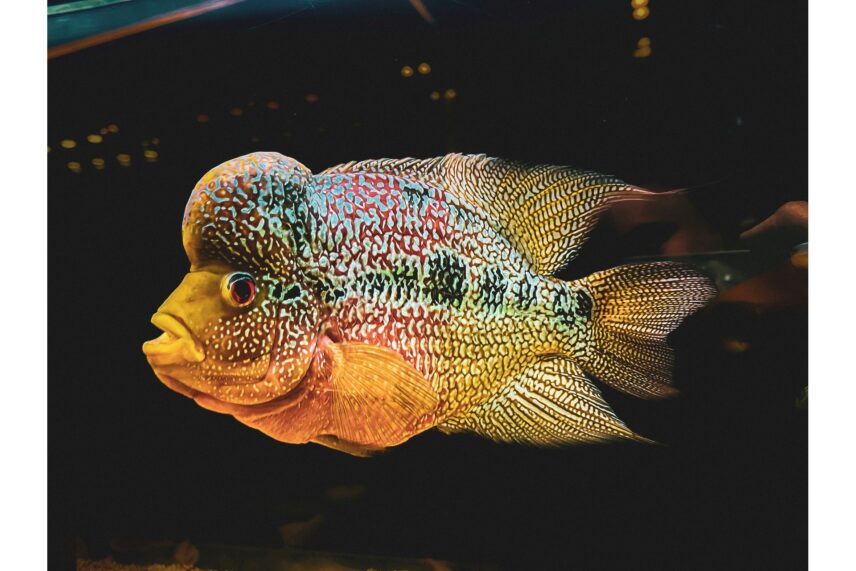
This is a fish with personality and presence. Flowerhorns are known for the prominent nuchal hump on their heads and their vibrant, almost graffiti-like color patterns.
Many like flowerhorns for being interactive wet pets. They often recognize their owners, follow fingers along the glass and can even be trained, offering a level of engagement you won’t get from most other fish. However, they’re aggressive against other fish, so you’ll have to keep them alone in a large tank.
6. Peacock Gudgeons

If you want the dazzling color of a saltwater reef tank without the complexity, peacock gudgeons are a fantastic choice. These small freshwater fish are iridescent, flashing brilliant blues, yellows and reds as they swim.
They share space well with other fish, which means you can build a more diverse, aquatic environment. If you plan to keep various types of fish, do your homework. Proper care, from water temperature to diet, depends on their species, and what works for one may be harmful to another.
The Fine Print of Exotic Pet Ownership
Getting anything wrong regarding exotic pet ownership can lead to serious legal and financial trouble, not to mention harm to the animal. Be responsible and pay attention to the fine print before searching for a nontraditional companion.
What Exactly Qualifies as an Exotic Pet
An “exotic” pet is any animal that isn’t traditionally a domesticated species or a common agricultural animal. For example, a German Shepherd is domesticated, but a wolf is exotic. Common categories include reptiles, amphibians, small mammals, birds and invertebrates.
What Animals Are Illegal to Own in the United States
Nationwide, banned animals are usually those that pose a threat to public safety, native ecosystems or agriculture. The primary federal law governing this is the Lacey Act, which broadly bans illegal wildlife trade in the U.S.
The Rules Aren’t the Same Everywhere
Think of exotic pet laws like local speed limits. While a federal law might set a baseline, the actual rules change the moment you cross a state, county or even city line. This is because no single law permits the ownership of all nondomesticated animals in America. That authority is left to the individual states, and they all have different ideas of what’s acceptable.
Where to Check Your Local Laws
Do an online search for your state’s fish and wildlife agency as well as your city’s animal control ordinances. Look for official government websites. The key departments are your state’s Department of Fish and Wildlife, which is sometimes called the Game Commission, and your local city hall or county clerk.
Don’t rely on word of mouth. Look for an official “exempt list” of the exotic pets you can own without a license or a “prohibited list” identifying banned animals. If you have any doubts, contact the relevant authorities.
The Smart Way to Own an Exotic Animal
Choosing a nontraditional pet can be a rewarding experience, but it demands diligence. The process is nonnegotiable. Research the animal’s needs and your local laws. Then, be honest with yourself about your ability to provide a proper, long-term home. Remember, you will have to adapt to their lifestyle. Do your homework, and you’ll earn the right to own and care for a truly remarkable companion.