As an Amazon Associate, Modded gets commissions for purchases made through links in this post.
Microplastics are everywhere these days, from your food containers to water sources. It’s enough to make anyone wonder whether avoiding microplastics is worth doing. While you can’t completely avoid and remove microplastics from your body, you can make smarter choices to reduce the amount entering.
Instead of chasing questionable supplements, focus on evidence-based habits that reduce your exposure to these toxins. Here is a practical guide to avoiding microplastics.
First, What Does the Science Actually Say About Removing Microplastics?
Before diving into possible solutions, it’s important to know what microplastics are. They are tiny particles measuring 1–5 µm and can result from manufacturing, such as microbeads, or from the degradation of large plastic. Despite growing information about microplastics, there is actually no currently proven detox or medical treatment that removes plastic particles already in human tissues. However, that doesn’t mean you’re powerless against the current environment.
The crucial thing is to minimize your exposure to these microplastics and support your body’s natural waste-disposal processes.
- Filter Your Water
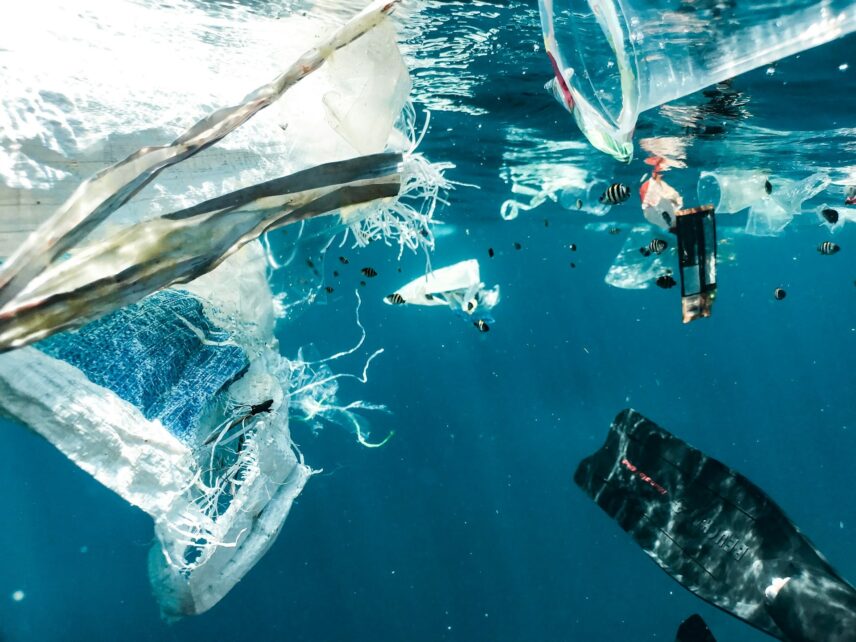
One of the best ways to reduce your exposure to microplastics is to stay properly hydrated. Bottled water may contain more plastic particles than tap water. In fact, recent research showed that bottled water contained more microplastics than canned soft drinks.
Rather than relying on bottled water, you can invest in high-quality certified home water filtration systems. These help to reduce particulate contaminants. Using reusable stainless steel or glass bottles also limits your exposure to microplastics and your plastic waste. It’s crucial to do these steps as drinking water is something people do daily.
- Fortify Your Gut with Probiotics
Scientists are beginning to understand the key role your gut microbes play in managing both your physical and mental health. This includes your exposure to microplastics. A recent study shows that probiotic strains can bind to microplastics in the digestive tract and escort them out of the body. Studies done on animals showed a 34% increase in fecal excretion of microplastics following ingestion of specific strains of probiotics.
Although the studies are done on animals, they can provide a clue toward how humans can eliminate microplastics from their bodies. For now, you can eat more food rich in probiotics such as yogurt, kefir, kimchi and sauerkraut. These foods also support a healthy gut microbiome.
- Eat More Fiber to Help Your Body’s Natural Removal Systems
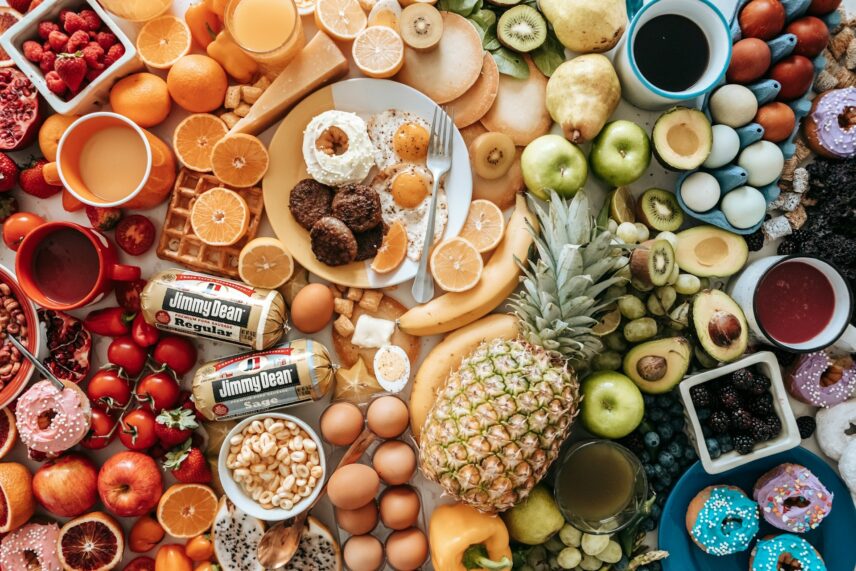
Fiber should be a crucial part of your diet. A high-fiber diet promotes consistent bowel movements and a healthier gut. It helps reduce the intestinal burden of contaminants, such as microplastics. While they can’t remove them, they can support your body’s natural elimination system, which is incredibly important for your health.
Add more fruits, vegetables, oats and whole grains to your meals. If you’re looking to increase your fiber and protein intake at the same time, try out new and nutritious recipes that easily fit your busy and active lifestyle.
- Reduce Your Exposure to Plastic Packaging
Plastic containers are everywhere these days. Here is how you can avoid getting microplastics from these sources.
Ditch Plastic Containers and Non-Stick Cookware
As plastic containers degrade with age, heat and repeated use, they might release microplastics into your food. As such, it’s best to store leftovers in glass or stainless steel containers instead of plastic. Try replacing your worn non-stick cookware with stainless steel, cast iron or other ceramic alternatives if the coating is starting to chip.
You can also prevent exposure to microplastics by avoiding microwaving food in plastic containers. Heat can increase the release of microplastics and other plastic-associated chemicals, even if the container is labeled microwave-safe.
Be Mindful of Airborne and Chemical Exposures
Plastic can also enter your body through the air you breathe. Synthetic fabrics, carpets and plastics gradually shed tiny particles over time. The most direct example is the new-car smell, caused by volatile organic compounds from the car’s interior.
These particles can accumulate in the air, especially in closed environments. To prevent this, open windows frequently to improve indoor ventilation. Vacuum regularly with a HEPA filter to reduce airborne plastic particles inside your living spaces.
- Bolster Your Defenses with Key Nutrients
It’s important to maintain healthy habits to support a strong immune system. One way microplastics affect the body is through oxidative stress. It is a process that damages cells when unstable molecules are present and outnumber your body’s natural defenses.
Nutrients and antioxidants don’t necessarily remove microplastics from your body. However, they can support your body’s ability to manage oxidative stress. Having a balanced diet rich in colorful fruits, vegetables, nuts and whole foods provides your body with the essential vitamins and nutrients that support these protective processes. It is generally recommended to eat two servings of fruit and around three servings of vegetables per day.
If you’re looking to optimize your nutrient intake, you can check out the best vitamins for men to further support your health.
- Live a Cleaner Lifestyle Beyond the Kitchen

Reducing microplastic exposure extends beyond what you eat. One of the biggest sources of plastic is your clothes. Clothes made from synthetic materials like polyester and nylon release microplastics into the water stream every time you do the laundry. Opt for clothes made from natural fibers like cotton, linen, silk, wool, cashmere and alpaca. You can also bring reusable shopping bags to limit single-use plastics.
Additionally, choose products with less plastic packaging. All these efforts help reduce global plastic consumption. By doing so, you also help reduce everyone’s exposure to plastic. Choosing these smarter lifestyle choices adds up to create meaningful long-term benefits.
Your Proactive Plan Against Plastics
Microplastics are an unavoidable part of modern life and there is no current science-backed research explaining how to remove microplastics from the body. However, that doesn’t mean you should just accept your daily exposure to plastic. Instead of finding a miracle detox, you can incorporate these science-backed habits. Drink filtered water, prioritize fiber-rich foods, support a healthy gut with probiotics, reduce contact with unnecessary plastic materials and maintain a nutrient-rich diet.
Together, they help you form a resilient and sustainable strategy against your overall microplastic load. You also strengthen your gut microbiome and your long-term health. Focus on making consistent daily improvements rather than expecting perfection. Take small yet meaningful steps each day toward a cleaner and healthier future.