As an Amazon Associate, Modded gets commissions for purchases made through links in this post.
Most men don’t have a sleep problem. Instead, they have a daytime problem that manifests at night. What you eat, when you move, how much light you take in and what you’re staring at for the last hour before bed all feed directly into how well you sleep and most of it is fixable right now.
- Cut Caffeine Earlier Than You Think
That 3 p.m. coffee isn’t helping you power through the afternoon. It’s just pushing your sleep window back. Caffeine has a half-life of five to seven hours, meaning half of that cup is still circulating in your system well into the evening.
If you’re lying in bed wired at 11 p.m., your afternoon habits are likely doing the damage. A solid rule is to stop caffeine intake by 2 p.m. If you need something warm later, green tea has a fraction of the caffeine and won’t disrupt your night as much.
- Get Outside First Thing in the Morning

Sunlight is a biological signal. When your eyes absorb natural light in the first hour after waking, your brain suppresses melatonin and kicks off a cortisol rhythm that carries all the way to bedtime. Research confirms this exposure to natural light helps regulate the body’s internal clock, or circadian rhythm, promoting alertness during the day and better sleep at night. That morning cortisol peak is actually what allows your body to wind down properly at night.
Even on a cloudy day, outdoor light is far more intense than indoor lighting. A 10- to 20-minute walk outside, coffee on the porch, or anything else in nature is enough to lay the foundation for better sleep that same night.
- Drop Your Bedroom Temperature
Your core body temperature needs to fall to initiate sleep. If your room is too warm, that process stalls. Research consistently points to a range of 60-65°F as the optimal temperature for sleep. That might feel cooler than you’re used to.
If you can’t control the thermostat, a fan helps. Airflow lowers your surface temperature and adds white noise. A cold shower before bed can also quickly lower your core temperature and help you fall asleep faster.
- Eat Your Last Meal Earlier
Late eating doesn’t just affect your waistline. It disrupts your sleep. When you eat close to bedtime, your body is still digesting while your brain is trying to consolidate deep sleep cycles. Acid reflux goes up, core temperature stays elevated and sleep quality drops.
A good target is finishing dinner two to three hours before you plan to lie down. If you’re genuinely hungry after that, something small like a handful of nuts or a banana won’t cause the same disruption as a full meal.
- Watch What You Drink After Dinner
Alcohol is probably the most misunderstood sleep tool out there. A nightcap feels like it helps and technically, it does get you to sleep faster. The problem is what it does after that. Alcohol fragments the second half of your sleep cycle, suppressing REM sleep and causing you to wake up more frequently in the early hours of the morning.
You might log eight hours and still feel wrecked. If you drink, it’s better earlier in the evening than right before bed. Even one or two drinks within an hour of going to sleep can noticeably affect how rested you feel the next day.
- Put Your Phone in Another Room
This one is harder than it sounds. The blue light emitted by screens delays melatonin production. But the bigger issue for most men isn’t the light, it’s the stimulus. Scrolling keeps your brain alert even when your body is exhausted.
Putting your phone in another room removes the temptation completely. If you use it as an alarm, pick up a basic bedside clock. A book, a podcast or even just lying in the dark thinking through your day are all better options than one more scroll through your feed.
- Build a Wind-Down Routine
Your brain needs a transition. Going from a full day of decisions, screens and noise straight into bed is like hitting the brakes at highway speed. A wind-down routine signals to your nervous system that sleep is coming.
It doesn’t need to be elaborate. Even 20 minutes of something consistent works. Stretching, reading, or simply dimming the lights can start to condition your brain to associate those cues with sleep. Over time, routine becomes the trigger. You’ll notice yourself getting drowsy simply because you started the sequence.
- Wake Up at the Same Time Every Day
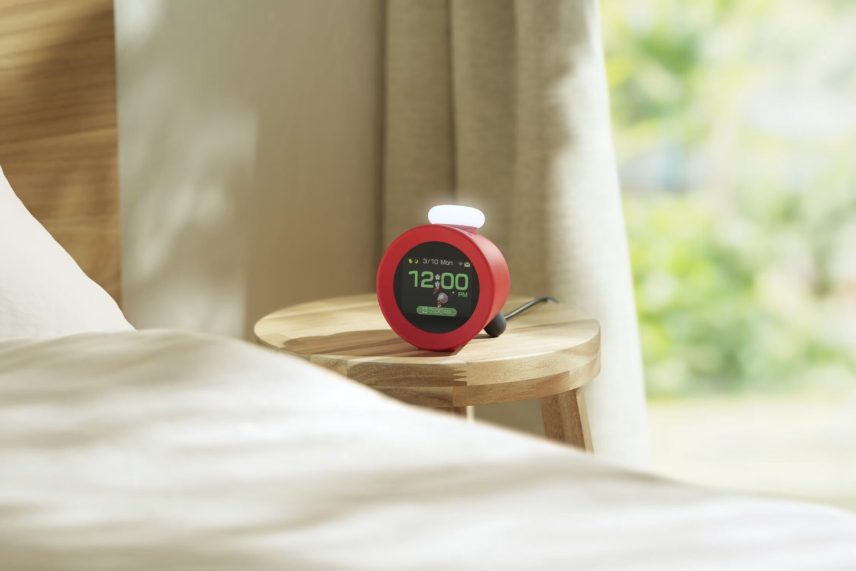
This includes weekends. Your circadian rhythm runs on consistency. Sleeping in to “catch up” on lost sleep sounds logical, but it shifts your internal clock and makes Sunday nights harder than they need to be. A fixed wake time, even if your bedtime varies slightly, anchors your sleep cycle and makes falling asleep easier over time.
If you had a late night, resist the urge to sleep two hours past your usual time. A short nap in the early afternoon is a better recovery tool than disrupting the whole schedule.
- Move During the Day, Not Right Before Bed
Regular physical activity is one of the most dependable ways to improve sleep quality. As a baseline, adult men should aim for at least 150 minutes of moderate-intensity exercise each week, and those who are active consistently tend to fall asleep faster and spend more time in deep sleep. The catch is timing. High-intensity exercise within two to three hours of bedtime raises your heart rate and core temperature, delaying sleep onset.
Morning or afternoon workouts are the sweet spot, and you don’t need to be in the gym five days a week. Even short ‘micro workouts’ of 10 minutes or less, like doing pushups during a commercial break or squats while dinner cooks, add up. Consistency matters more than intensity.
- Track the Pattern, Not Just the Hour
Quality matters as much as quantity. If you’re spending time in bed but waking up groggy, the hours aren’t the problem — the structure of your sleep is. Pay attention to patterns. Do you snore, or wake up with a dry mouth?
A 2022 study of participants with mild obstructive sleep apnea found that mouth taping reduced snoring. A basic sleep tracker or even a quick journal note in the morning can reveal trends that aren’t obvious in real time. The goal isn’t obsession, but awareness.
Sweet Dreams Are Made of This

Good sleep isn’t a mystery. It’s the result of small decisions you make before you ever lie down. Start with one or two of these changes today. The compound effect on how you feel, perform and recover adds up faster than you’d expect. The best sleep of your life is closer than you think. It’s just waiting on a few better habits.