As an Amazon Associate, Modded gets commissions for purchases made through links in this post.
You used to need a corner office to build a career. Now you need a laptop, a decent Wi-Fi signal and the nerve to book a one-way ticket. Digital nomadism has gone from a fringe lifestyle bloggers wrote about to a mainstream option that governments now build visa programs around. If you have ever stared at your cubicle and wondered whether your job could survive a change of scenery, the answer is probably yes.
This guide walks you through what it actually takes to work remotely while traveling the world, from the income streams that make it possible to the gear, destinations and daily habits that keep the whole thing running smoothly. None of this requires trust fund money or a finance degree. It requires planning, a willingness to be uncomfortable for a while and a system you can stick to once the novelty wears off.
Understanding What Digital Nomad Life Really Means

Forget the influencer version of this lifestyle, the one where laptops appear next to infinity pools and nobody explains how the bills get paid. The real version looks more like a normal workday that ends with you closing your laptop somewhere you have never lived before. You still hit deadlines, sit through video calls and answer emails at inconvenient hours. The difference is that your view changes every few weeks or months instead of staying fixed for years.
The category has also gotten more official. A decade ago, most remote workers traveled on tourist visas and hoped nobody would ask questions, yet today over 50 countries offer a dedicated digital nomad visa program. That formalization matters because it means banks, landlords and insurers increasingly recognize this as a legitimate way to live and work, not a loophole you are quietly exploiting.
Building an Income That Travels With You
Every nomad’s plan starts with the same question — what work can you do that does not care where you are sitting. The lifestyle is no fluke, since more than 18 million American workers now identify as digital nomads, and that figure keeps climbing even as more companies push for a return to the office.
Common paths include freelancing in a skill you already have, such as writing, design or development, negotiating a fully remote arrangement with your current employer, or running a small online business you can manage from a phone.
Even a phone or tablet becomes a real workstation once you pair it with a lightweight, foldable Bluetooth keyboard, so the gear does not have to hold back your income plan. Pick the income option that matches the stability you actually need, not the one that looks best on a highlight reel.
Before you book anything, run these checks and stress-test your income the way you would stress-test a budget.
- Save three to six months of expenses, so a slow client month does not strand you abroad
- Confirm your income arrives in a currency and account you can access internationally without steep fees
- Set a floor income number below which you pause travel and pick up more work
- Test your remote setup for at least a month at home before taking it overseas
Packing Gear That Earns Its Space in Your Bag
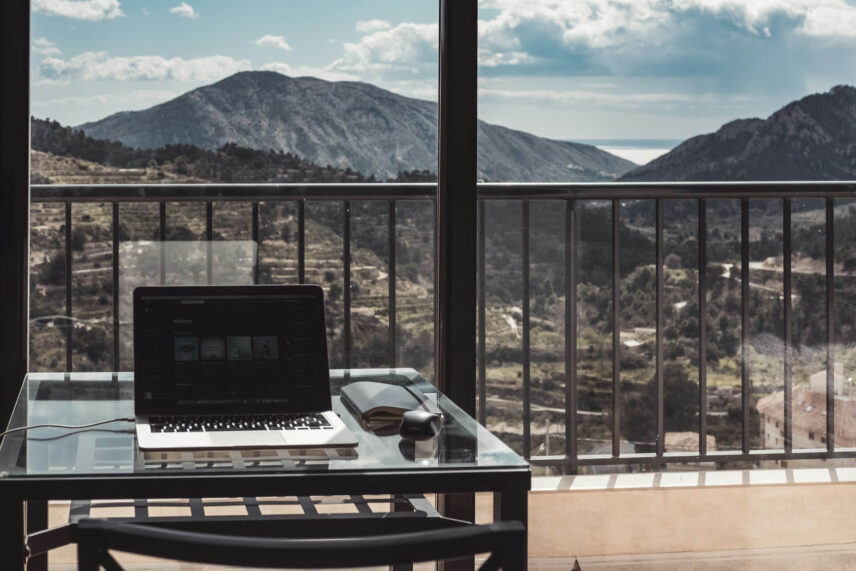
Once your income is sorted, your bag becomes your office, so every item in it needs to justify the space and weight it takes up. Overpacking is the single most common rookie mistake, and it rarely gets corrected until you are dragging a suitcase up three flights of stairs in July. The fix is to think in systems rather than individual items — one setup for work, one for staying connected, one for staying comfortable.
Packing cubes solve more organizational headaches than any other single item, since sorting clothes into zippered packing cubes keeps you from repacking your whole bag just to find a pair of socks. A foldable keyboard and a slim universal adapter round out the essentials without adding real weight to your carry-on.
Choosing Destinations Where Your Money and Visa Work Together
Not every appealing destination is a practical one, and the gap between the two trips up plenty of first-time nomads. Cost of living, visa rules, internet reliability and time zone overlap with your clients or employer all deserve more weight in your decision than how a place looks on Instagram. A stunning beach town loses its appeal fast if the Wi-Fi drops every afternoon during your client calls.
Start narrowing your list with a few practical filters.
- Look for destinations with a dedicated digital nomad or remote work visa to avoid legal gray areas
- Check average download speeds for the specific neighborhood, not just the country
- Match time zones to your core working hours so meetings do not eat into your sleep
- Research the cost of a month-to-month coworking membership before you arrive
Southeast Asia, Portugal, Mexico and parts of Eastern Europe remain popular for a reason — they combine reasonable costs with established nomad communities that have already solved the logistics you are worried about.
Structuring Your Days So Work and Wandering Both Get Done
The hardest adjustment is rarely the travel itself. It is the discipline required to actually finish your work when a new city is sitting right outside your door. Nomads who burn out fastest are usually the ones who never built a schedule, treating every day as either all work or all exploration. A better approach blocks off consistent working hours, protects them like an appointment you cannot miss, and then treats everything after as free time you actually earned.
Coworking spaces help more than most people expect, not just for the desk and the internet, but for the social contact that a hotel room cannot offer. Bring along a portable charging hub for your devices, since it earns its keep the moment a shared desk runs short on outlets. Treat your first week in any new location as a scouting mission — find your workspace, your coffee shop and your grocery store before you let yourself play tourist.
Staying Connected, Insured and Sane on the Road
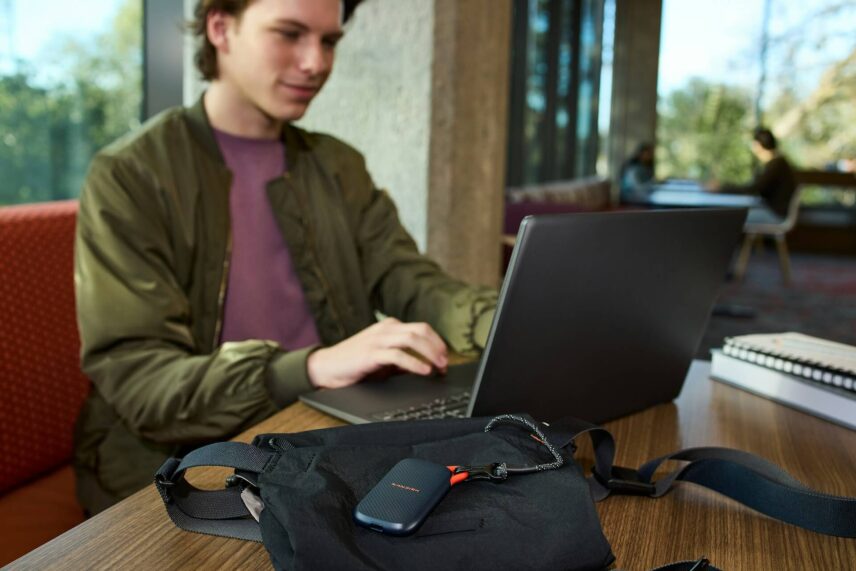
Reliable internet is nonnegotiable, so build in a backup before you need one. A local SIM or eSIM paired with a portable hotspot covers you when a café’s Wi-Fi inevitably fails during a deadline. Round out the kit with a universal adapter and cable organizer so a dead outlet or a tangled bag never costs you that same deadline.
Travel insurance designed for long-term remote work, rather than a two-week vacation, protects you against medical bills and canceled flights that regular policies do not cover.
Loneliness catches up with almost everyone eventually, even the most independent workers. Combat it deliberately — join local co-living groups, book at least one coworking day a week, even if you do not need the desk and keep regular calls with friends and family back home. The lifestyle photographs beautifully, but it is still a life, and it runs on the same basic human needs as any other.
Turning the World Into Your Office
Digital nomadism rewards people who plan like adults and travel like kids — curious, flexible and ready to adjust when the first plan does not survive contact with reality. Nail down your income, pack a bag that works as hard as you do, pick destinations that support your job instead of fighting it and protect your working hours the same way you protect your passport. Do that, and the world stops being a bucket list and starts being your actual, everyday office.