As an Amazon Associate, Modded gets commissions for purchases made through links in this post.
Are you looking to chase new thrills? As long as you’re not afraid of the cold — or heights — ice climbing could become your next adventure. This extreme sport is for the bold. Learn more about ice climbing, its history as a sport and how you can make your first ascent with this guide.
What Is Ice Climbing?
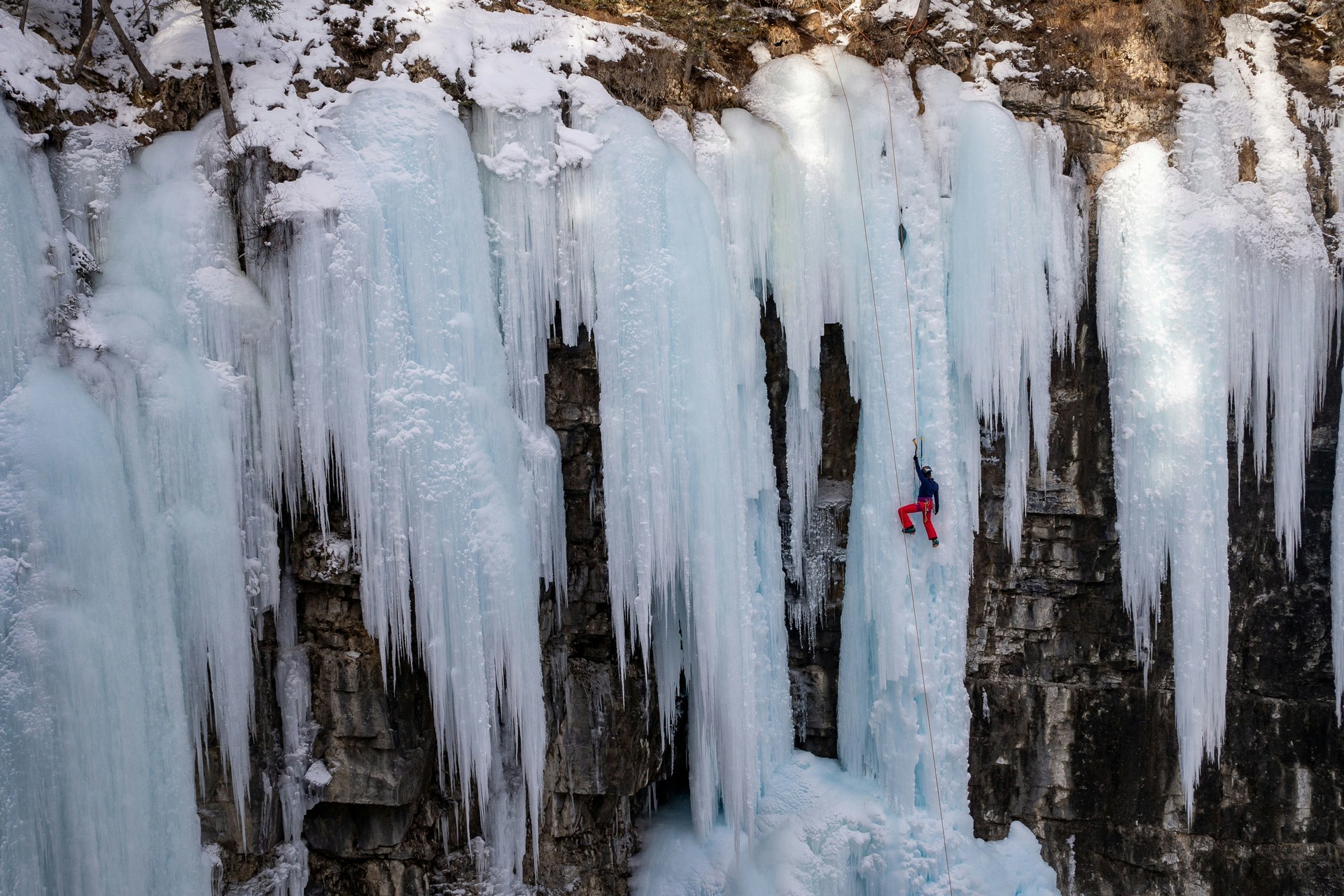
Ice climbing is just what it sounds like — the sport of climbing frozen water to reach new heights. There are two primary types of ice climbing — water and alpine.
Water ice climbing is what many people picture when they imagine ice climbers scaling perilous icicles hanging from cliffsides. Climbers seek out glaciers, frozen waterfalls or other flowing water sources that have frozen over. Since the water must be frozen, water ice climbing typically takes place in sub-zero temperatures. Most climbers focus on technique over destination.
Alpine ice climbing is more about the destination. It’s one part of mountaineering — in certain climates, mixed climbing includes ice. Climbers must traverse icy sections amid rock and other surfaces while summiting a mountain.
Both water and alpine ice climbing are typically considered extreme sports due to the physical demands, risks and frequently sub-zero temperatures.
The History of Climbing Ice
Ice climbing has been part of mountaineering for as long as people have scaled frozen peaks. However, it became established as its own unique form of climbing in the 20th century. Rather than learning ice-climbing skills simply to get across frozen sections of mixed routes, some climbers began focusing on ice intentionally.
In the 1960s, Yvon Chouinard designed the modern ice axe, which made ice climbing a safer, more accessible possibility for climbers. Over the last several decades, ice climbing has grown in popularity among climbers looking for the extra thrill of scaling frozen rivers cascading down mountainsides.
The Basics of Ice Climbing
If you want to try your hand at ice climbing, you should familiarize yourself with the what, where, when, why and how of this extreme sport. Learn more about the gear you’ll need, the best seasons and locations to explore the ice, and the top techniques in the business.
Necessary Equipment for Ice Climbing
While some forms of climbing require almost no gear, like bouldering or free soloing, ice climbing isn’t quite so minimalist. You’ll need the proper equipment to stay safe and secure on your adventures, including:
- Insulated climbing boots
- Crampons
- Ice axe(s)
- Dry-treated climbing rope
- Carabiners
- Belay devices
- Climbing harness
- Gloves
- Eye protection
- Helmet
- Ice screws
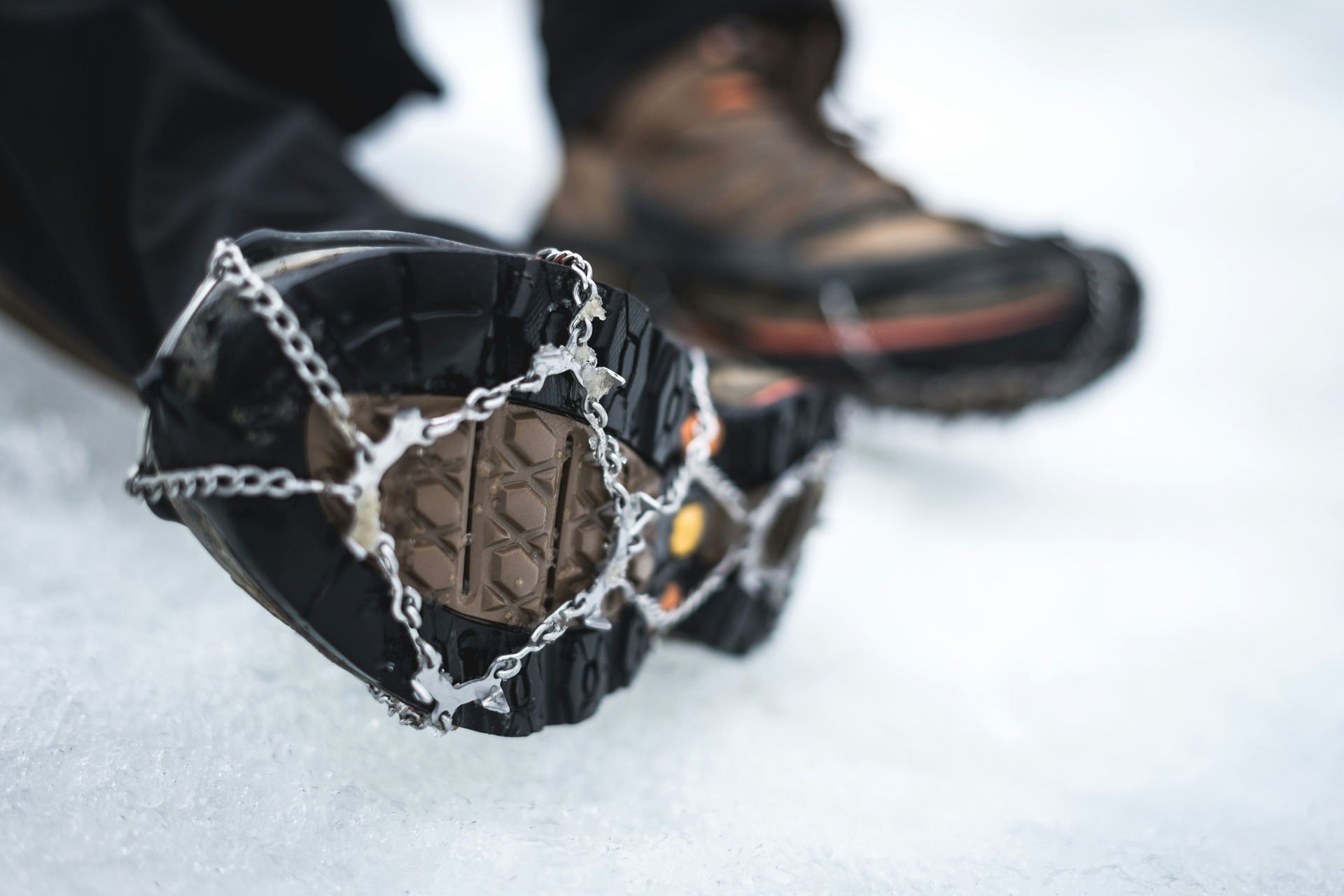
While rock climbers may have much of the necessary equipment already, some gear is unique to ice climbing — and essential. For example, crampons are a necessity to get traction on snow and ice. They’re metal spikes that attach to the bottom and edges of your boots, allowing you to gain purchase on slippery or hard surfaces.
When Can You Go Climbing?
Many people assume ice climbing is a winter sport because it obviously requires freezing temperatures. However, there are many places you can ice climb year-round. Certain climates and high altitudes remain cold enough all year long for the ice to remain thick and stable.
Whether you’re water ice climbing a glacier in the summer months or taking advantage of your alpine ice climbing skills to summit a high peak, you’ll always be able to find ice routes with a little travel.
While there are always options available somewhere in the world, many ice climbers use warmer months to hone their rock climbing skills. It’s a great way to cross-train and prepare for your next season on the ice.
Where Can You Ice Climb?
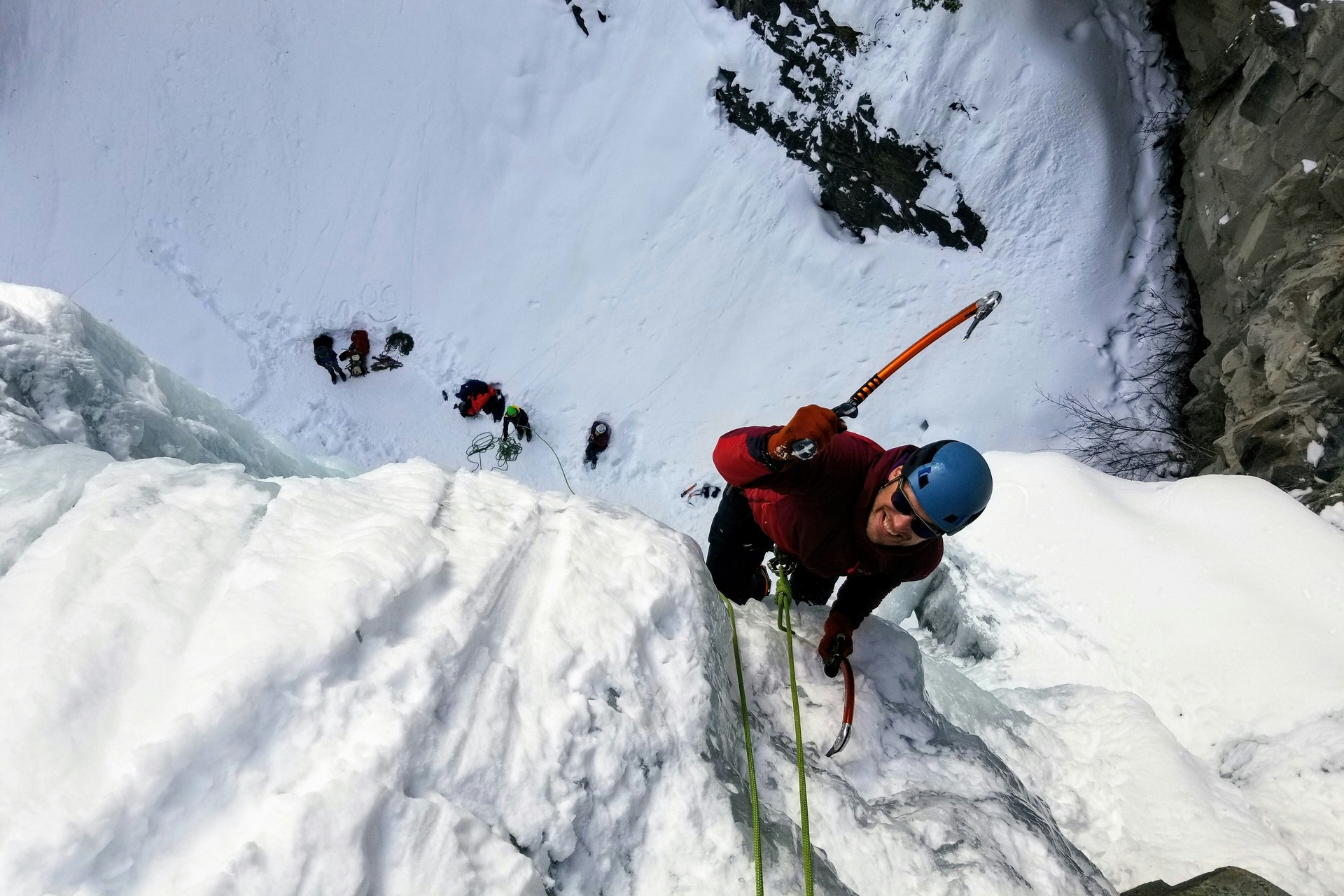
Some climbers are lucky enough to have excellent ice climbing spots in their local area, while others in search of the perfect frozen waterfall or snowcapped summit may have to make an adventure of it.
Here are some of the top destinations around the world for enthusiasts:
- Ouray Ice Park, Colorado, U.S.
- Rjukan, Norway
- Cogne, Italy
- The Eiger, Switzerland
- Canmore, Alberta, Canada
- Sandstone Ice Park, Minnesota, U.S.
- Kandersteg, Switzerland
- Hokkaido, Japan
- Frankenstein, New Hampshire, U.S.
- Helmcken Falls, British Columbia, Canada
- Sólheimajökull, Iceland
The Essentials of Ice Climbing Techniques
Most ice climbers alternate between two types of ice climbing styles, depending on the particular terrain — the French and German techniques:
- French technique: This style is also known as flat-footing. As the name suggests, it’s best for flat or moderately steep pitches. The climber keeps almost all crampon points in contact with the ice. At a certain steepness, the climber must sidestep to continue up the slope.
- German technique: This technique is necessary for steeper grades. The climber kicks into the slope, digging the front crampons into the ice for purchase. It’s also called front-pointing for this reason.
How to Get Started Ice Climbing
If you’ve never been ice climbing, it can seem intimidating. However, you can get started with the right preparation. Keep these tips in mind before you head to the glacier:
- Hire a guide: What better way to learn everything about ice climbing than to hear it directly from an expert? Many ice parks and mountains have experienced guides who can teach you the ropes and help you safely navigate the frozen pitches.
- Start small: While this may seem like a no-brainer, it can be easy to get caught up in the thrill of ice climbing. Don’t overexert yourself early on. Start with flatter, shorter pitches to develop your strength and technique before moving on to bigger mountains.
- Follow a cross-training routine: You can build your strength before you even pick up an ice axe. While general physical fitness will benefit you on the ice, developing your grip and arm strength are particularly useful focuses.
- Practice useful techniques: If you’ve never swung an ice pick before, it might not come naturally to you. Give your technique some practice before you find yourself on a frozen waterfall.
Start Your Next Adventure on the Ice
Ice climbing is an increasingly popular sport, attracting professional athletes and enthusiastic hobbyists alike. Layer up and head to the mountain to get a taste of the thrill today.