

As an Amazon Associate, Modded gets commissions for purchases made through links in this post.
The NBA has instituted the draft lottery system to promote competitive balance, allowing struggling franchises to call dibs on top, up-and-coming talent and build better rosters over the long term. While the goal is to improve league parity, this annual sweepstakes has yielded unusual outcomes surrounding suspicious coincidences for decades.
Is the NBA draft lottery rigged? If so, who decides who wins and loses, and why? Here are the most controversial NBA draft lottery results in history that continue to fuel debates to this day.
1985: The Frozen Envelope
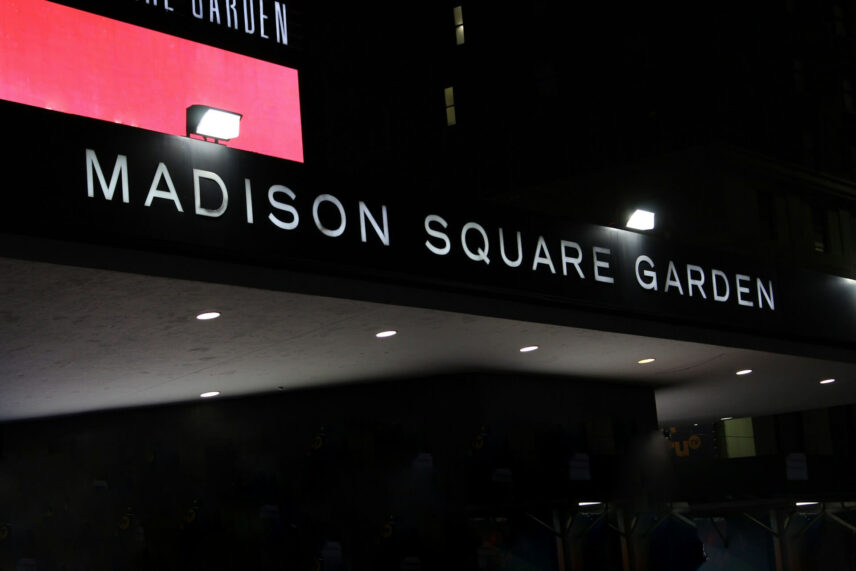
The lack of transparency tainted the integrity of the lottery since its first year.
The Background
The NBA introduced the draft lottery in 1985 in response to concerns that teams were deliberately tanking to secure the first overall pick. That year’s prize was Georgetown center Patrick Ewing, considered one of the most valuable prospects in basketball history.
Seven nonplayoff teams had an equal chance of receiving the top selection. The process involved sealed envelopes placed in a rotating drum, with Commissioner David Stern revealing the winner on live television.
The Controversy
Almost immediately, fans began questioning the lottery’s legitimacy. The New York Knicks, the league’s largest-market franchise, landed the first pick and the rights to Ewing.
Conspiracy theories emerged, claiming that Stern intentionally selected a marked envelope. Some believed the Knicks envelope had a creased corner, while others suggested it might have been “frozen” beforehand to help the commissioner identify it by touch.
No evidence has ever supported any of the claims, yet the theory remains one of the most enduring sports narratives. Even today, many fans cite the 1985 draw when discussing whether the NBA draft lottery is rigged.
The Result
Ewing called Madison Square Garden, the most storied basketball arena, home for the majority of his career. This 11-time All-Star transformed the Knicks into a perennial contender throughout the ‘90s. New York reached two NBA Finals during his tenure, helping revive one of the league’s flagship franchises.
2003: The King and the Land
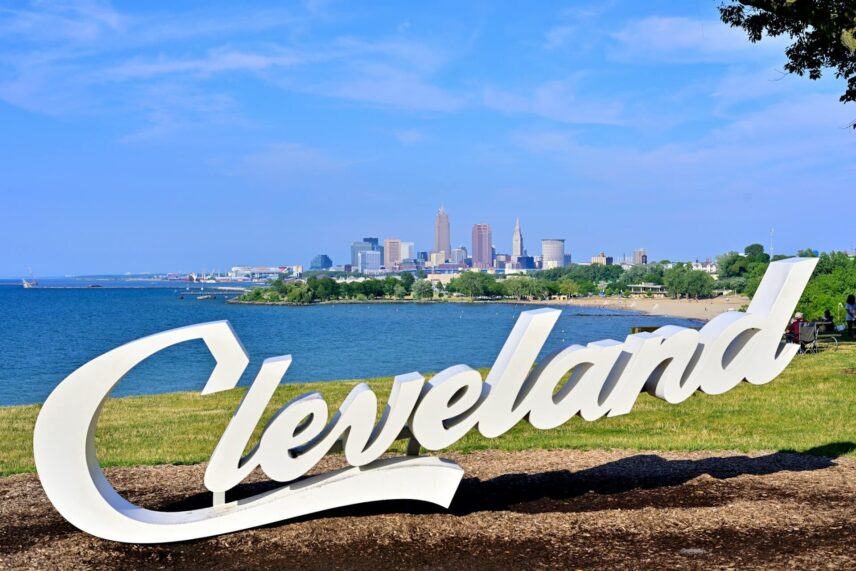
Then-high school megastar LeBron James’ decision to skip college and go straight to the pro was a manna from heaven for the league, which was in desperate need of a new face after Michael Jordan’s third and final retirement.
The Background
The 2003 draft featured “King” James, one of the most hyped basketball prospects ever. Dubbed the Chosen One while still in high school, he was expected to change the fortunes of whichever franchise won the lottery.
The Cleveland Cavaliers entered the lottery with the highest odds but still faced significant competition from other struggling teams.
The Controversy
Many fans immediately noticed the storybook nature of the outcome. James was born in Akron, Ohio, less than an hour from Cleveland.
Skeptics argued that the NBA wanted its next superstar to remain in his home state rather than land in a smaller market with less commercial potential. The narrative felt almost too perfect — a hometown prodigy saving a struggling franchise.
Unlike some other controversial lotteries, Cleveland actually possessed the best odds. Nevertheless, the convenient outcome fueled speculation for years.
The Result
James transformed the Cavaliers into contenders and won two MVP awards while wearing a Cavs jersey. He famously left but returned to complete an unfinished business, delivering Cleveland’s first major professional sports championship in 52 years with the historic 2016 NBA Finals victory — a feat he replicated by winning the chip in 2020 for the LakeShow.
2012: The League’s Luck
The then-New Orleans Hornets were in rebuild mode after ultimately sending Chris Paul to the Los Angeles Clippers in 2011, despite team ownership hindering the Point God’s original desire to wear Purple and Gold and form a Big Three with Kobe Bryant and Pau Gasol.
The Background
The New Orleans Hornets were in a unique situation entering the 2012 lottery. At the time, the NBA actually owned the franchise after the previous owner, George Shinn, sold the team.
The consensus top prospect was Anthony Davis, fresh off leading Kentucky to a national championship.
The Controversy
The Hornets winning the first overall pick generated immediate suspicion because the league effectively controlled the franchise.
Critics questioned whether the league had a conflict of interest. Social media exploded with accusations that the NBA had manipulated the draft lottery result to increase the team’s value before selling it to a new owner.
Although independent auditing procedures existed, the optics of a league-owned team winning the rights to a generational prospect proved impossible to ignore.
The Result
Davis became one of the league’s premier players and helped keep New Orleans competitive throughout the decade.
The franchise eventually rebranded as the Pelicans and later traded Davis to the Los Angeles Lakers for a massive package of young players and draft picks, reshaping the organization’s future.
2019: The Second Lightning Strike
Hitting the jackpot a second time after losing yet another disgruntled superstar to LA was eyebrow-raising to say the least.
The Background
Zion Williamson entered the 2019 draft as the most anticipated prospect since LeBron. His combination of athleticism, popularity and highlight-reel plays made him an instant marketing phenomenon.
Meanwhile, Davis had publicly requested a trade from New Orleans months earlier for a chance to play with James in La La Land.
The Controversy
The Pelicans entered the lottery with only a 6% chance of securing the first pick. When they won, few thought it was divine intervention.
Many fans believed the NBA rigged the draft lottery to compensate New Orleans for losing AD. Others argued the league wanted to ensure the small-market franchise remained relevant after its superstar’s departure.
The timing looked suspicious to doubters. Just months after Davis sought an exit, the Pelicans suddenly landed another generational talent. Even the most level-headed observers online thought the result was too convenient to be random.
The Result
New Orleans drafted Williamson first overall and quickly rebuilt around him. While injuries have complicated his career, Zion remains one of the NBA’s most recognizable stars.
The lottery outcome helped soften the impact of losing Davis and gave the franchise another centerpiece for its long-term plans.
Are NBA Draft Lottery Outcomes Legit?
Supporters say that the above exceptions prove the rule, emphasizing how overwhelmingly reliable draft lotteries are. On the other hand, naysayers argue that the absence of concrete evidence doesn’t indicate legitimacy, as the media is powerful enough to influence public sentiments to protect the league’s image. Whichever side of the fence you’re on, you have to admit that undying hypotheses like these add excitement to NBA fandom.


