As an Amazon Associate, Modded gets commissions for purchases made through links in this post.
The electric revolution has finally come for the Prancing Horse. While change is inevitable in the automotive world, Ferrari’s first EV, the Luce, feels like a betrayal of everything the brand represents. This isn’t just another electric supercar. It’s a radical departure that has enthusiasts questioning whether Ferrari still understands what made it legendary in the first place.
The Apple-fication of an Icon
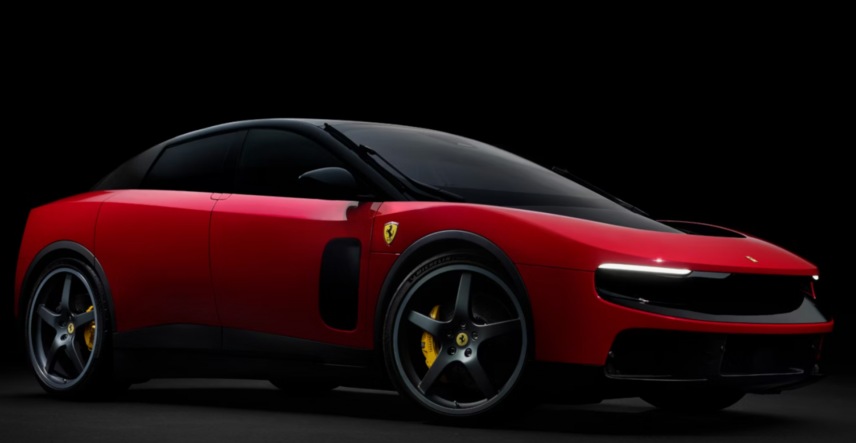
When you first lay eyes on the Ferrari Luce, the visual shock hits hard. This isn’t the aggressive low-slung predator you’ve come to expect from Maranello. Instead, you’re looking at something that feels fundamentally wrong for a car wearing the Prancing Horse badge. The design was led by Jony Ive and his firm LoveFrom, the same mind behind Apple’s minimalist aesthetic. That connection becomes painfully obvious when you see the bulbous five-seat “glass house” shape that defines this car.
The Ferrari Luce design looks too practical and too mainstream for a brand built on raw mechanical beauty. Early June 2024 spy shots of a Ferrari EV captured test runs on the streets of Maranello, and enthusiasts hoped they were looking at a camouflaged prototype that would transform before production. Those hopes were crushed.
Where you expect sculpted air intakes and dramatic bodywork that screams performance, you get smooth surfaces and rational proportions that could belong to any premium electric crossover. It’s the automotive equivalent of replacing a Rolex with an Apple Watch. Sure, the new one does more, but you’ve lost something irreplaceable in the trade.
A Steep Price for Controversy
Even with a design this polarizing, the Ferrari Luce is somehow selling. The disconnect between enthusiast outrage and corporate success tells you everything about who this car was really built for. Consider the market reality behind the backlash:
- The staggering $640k entry point price tag buys you a five-seat EV with all the tech bells and whistles, not the classic V12 soundtrack that makes your chest vibrate at 8,000 RPM. You’re paying supercar money for what amounts to a very fast minivan with a prancing horse logo.
- Ferrari’s CEO claims orders are flooding in, and the company isn’t concerned about public opinion on the design. When your waiting list is years long, regardless of what you build, why worry about traditional enthusiasts?
- You have to question whether these buyers are true enthusiasts who’ve dreamed of owning a Prancing Horse since childhood or wealthy tech-adopters who want the newest gadget with a prestigious badge. There’s a big difference between someone who can recite the specs of a 1962 250 GTO and someone who just wants to one-up their neighbor’s Tesla.
Destroying the Prancing Horse Legacy
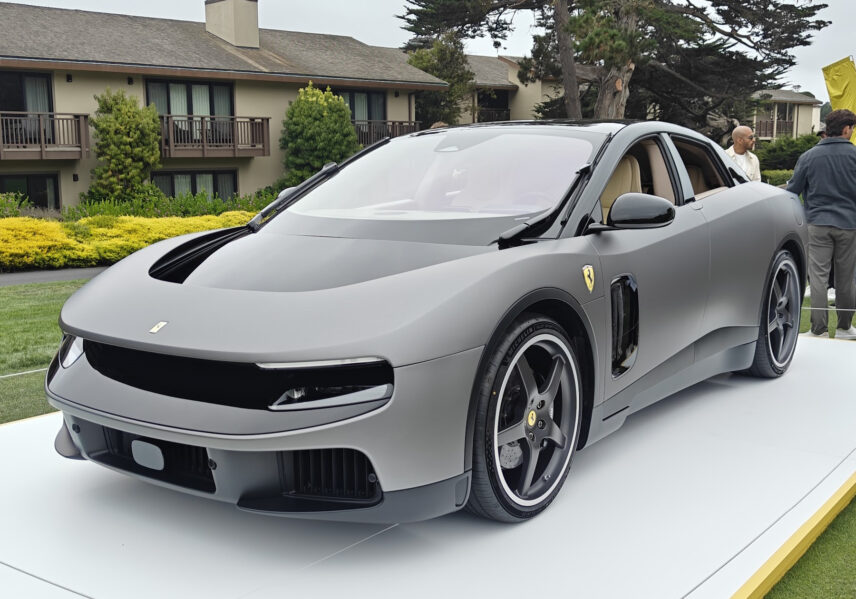
This is where the critique cuts deepest. Being a Ferrari has always meant something specific in the automotive world. It meant drama and passion. It meant proportions that prioritized performance over practicality and design that made you turn around for one more look as you walked away. The Luce abandons the dramatic lines and traditional sports-car proportions that defined every legendary model before it.
Former head of Ferrari for 23 years, Luca di Montezemolo, didn’t mince words when he said, “If I had to say what I really think, I would be hurting Ferrari. We’re risking the destruction of a legend, and I’m truly sorry about that. I hope they at least remove the prancing horse [logo].”
When a man who shaped the brand’s modern identity questions whether the Ferrari Luce EV deserves the badge, you know something fundamental has shifted. This isn’t some armchair critic complaining on a forum. This is Ferrari royalty.
Consider that a Ferrari 250 GTO sold for $70 million because collectors recognize the soul and design excellence baked into Ferrari’s heritage. That car appreciated because it represents everything a Ferrari should be. Now imagine parking a Luce next to that GTO at a concours event. They don’t even look like they came from the same planet, let alone the same manufacturer.
The question becomes whether traditional celebrity clientele like LeBron James, David Beckham or Drake will actually embrace this tech-heavy design or quietly stick with their V8s and V12s that still sound like Ferraris should when you stab the throttle.
Tech Marvel or Disappointment?
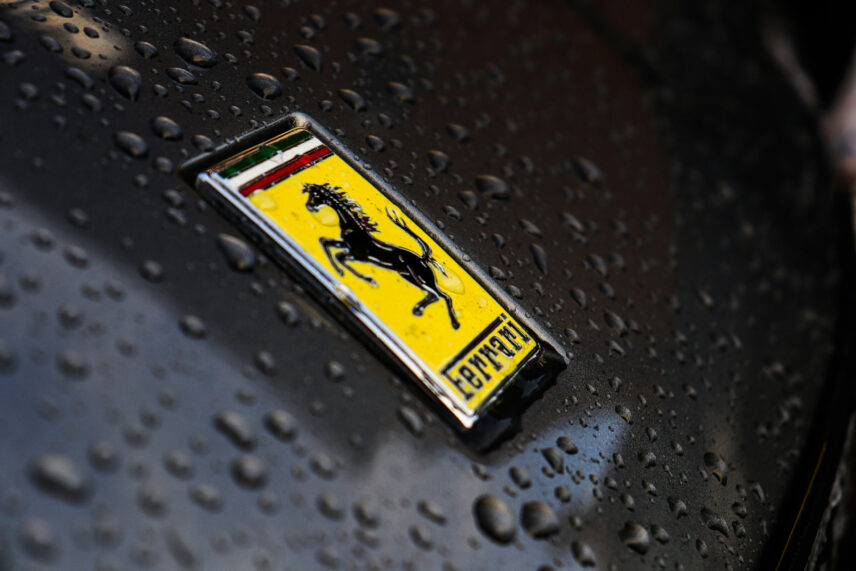
The engineering story behind the Ferrari Luce deserves some credit, even if the soul feels missing. Ferrari didn’t phone this in from a technical standpoint:
- 60 new patents: There has been a massive engineering effort to push electric performance forward in ways only Ferrari’s resources and obsessive attention to detail could achieve. That’s genuine innovation.
- The market’s immediate verdict: Upon unveiling, Ferrari lost 8% of its share value, proving the market shares enthusiasts’ skepticism even while reviewers came away impressed with the technology.
- The electric supercar paradox: EVs like the Luce typically top out around 1,600 horsepower and generate massive power effortlessly. The acceleration numbers will be absolutely bonkers. But they often lack the visceral soul that makes a supercar feel alive beneath you.
Will We Learn to Love the Luce?
The Ferrari Luce is undeniably a technological powerhouse that pushes boundaries in electric performance. But it feels like a betrayal of the Prancing Horse identity that generations of enthusiasts have worshipped. While it may sell to a new demographic of buyers who prioritize innovation over heritage, true car enthusiasts will likely always view it as a consumer electronic device rather than a proper sports car. The real question is whether you would ever park one in your garage next to the classics that actually deserve the badge.