As an Amazon Associate, Modded gets commissions for purchases made through links in this post.
Late 2024 brought headlines that could have reshaped your driveway and the entire automotive landscape. The proposed Honda Nissan merger promised to create a global automotive powerhouse, potentially changing everything from the cars you could buy to the tech inside them. Then, just as quickly, it collapsed. Here’s what went wrong and what it means for you.
The Deal of the Decade That Never Was
In late 2024, the automotive world watched as two Japanese giants explored what could have been a game-changing alliance. The Honda-Nissan merger talks centered on creating a group worth $60 billion, positioning the combined entity as the world’s third- or fourth-largest automaker by vehicle sales. This would have put them in direct competition with industry titans like Toyota and Volkswagen.
The scale was massive. Combined production capacity, shared technology platforms and unified research budgets could have reshaped how both brands develop and sell cars. By early 2025, those talks had officially ended, leaving industry observers and car enthusiasts wondering why they fell apart.
Why the Mega-Merger Stalled
The collapse of the Honda-Nissan merger wasn’t about a single dealbreaker. It was a combination of pride, positioning and fundamentally different visions for the future. Understanding why these talks failed reveals much about the current state of the automotive industry and the challenges legacy brands face.
A Battle for Control at the Negotiating Table
At the heart of the failure was a fundamental disagreement over power. Honda, operating from a position of strength, eventually proposed that Nissan become a subsidiary rather than an equal partner. For Nissan, this was a bridge too far. The company’s pride and what sources described as insufficient alarm about its predicament played central roles in the breakdown of Honda Nissan merger talks.
Nissan’s leadership faced a choice between maintaining autonomy and accepting a junior role in exchange for Honda’s stability and resources. Autonomy won out, even as Nissan’s market position continued to weaken.
Two Companies on Two Different Roads
The reality was stark. Honda approached negotiations as the stable, profitable partner with strong sales and a clear technological roadmap. Nissan, meanwhile, was still recovering from years of management turmoil and declining market share, particularly after the Carlos Ghosn scandal that rocked the company.
The companies began considering integration to survive the dramatic changes reshaping the automotive industry.
“Honda and Nissan have begun considering a business integration and will study the creation of significant synergies between the two companies in a wide range of fields. It is significant that Nissan’s partner, Mitsubishi Motors, is also involved in these discussions,” says Nissan Director, President, CEO and Representative Executive Officer Makoto Uchida.
“We anticipate that if this integration comes to fruition, we will be able to deliver even greater value to a wider customer base,” he continues. Despite these optimistic words, the gap between Honda’s strength and Nissan’s struggles proved too wide to bridge on equal terms.
Ghosts of the Renault-Nissan-Mitsubishi Alliance
Nissan’s fears regarding corporate independence were justified. The company spent decades navigating a highly complex partnership with its French partner, Renault. The arrangement unraveled in late 2018 after Carlos Ghosn’s arrest on financial misconduct charges, which ultimately led to his removal as the alliance’s leader.
The experience left Nissan wary of deals in which power dynamics favored the stronger party. Having fought to rebalance its relationship with Renault, Nissan’s leadership was reluctant to enter another arrangement in which it would occupy a subordinate position.
The Global Race That Sparked the Rumors
The Honda Nissan merger didn’t emerge from a vacuum. Immense external forces pushed two longtime rivals to even consider combining operations. Two threats loom particularly large for legacy automakers: the rapid shift to electric vehicles and fierce new competition from manufacturers rewriting the rules.
Pressure from the EV Revolution
The race to develop competitive electric vehicles has forced traditional automakers to reconsider everything from manufacturing processes to dealer networks. Development costs for EV platforms run into the billions and the market demands rapid innovation.
Even though the merger failed, both Honda and Nissan agreed to continue working together on electric vehicle development, recognizing that collaboration on this technology may prove essential. This would have provided extra competition for Tesla and other established EV manufacturers.
Facing a New Wave of Global Competition
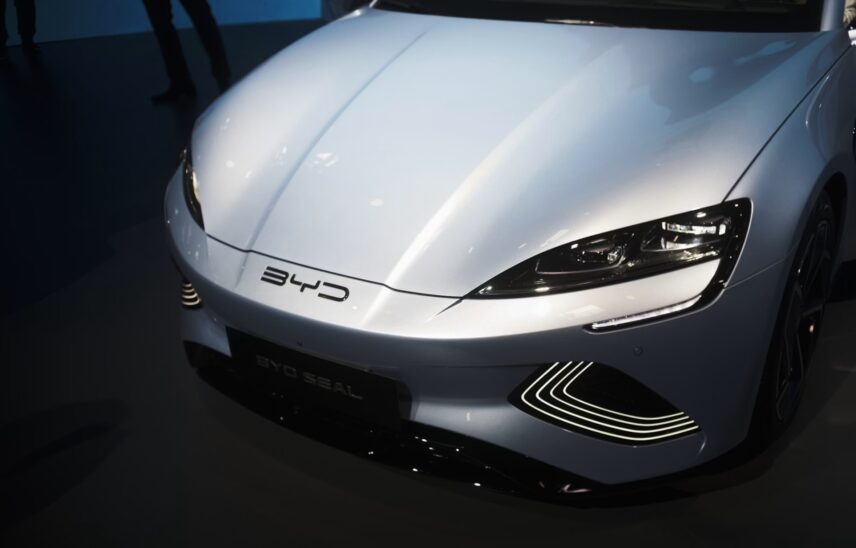
The real shock to the system comes from Chinese manufacturers, particularly BYD. The company achieved world-leading status in all-electric car sales in 2024, selling nearly four million plug-in vehicles. That represents roughly 19% of the global market share.
BYD’s continuously growing international presence has surpassed many legacy automakers in key markets. This rapid ascent by Chinese EV makers is exactly the kind of competitive threat that prompted Honda and Nissan to explore a deal in the first place.
How This Affects Your Next Car Purchase

Corporate boardroom drama might seem distant, but these industry shifts have real consequences for car buyers. From pricing to availability, the fallout from failed mergers and intense competition trickles down to affect your next purchase.
An Industry Under Pressure
When major automakers face financial strain, the effects ripple throughout the market. Nissan cut its profit projection by 70% in November, shocking investors and announcing a turnaround plan that includes 9,000 job cuts and a one-fifth reduction in global capacity. Some analysts viewed these measures as insufficient given the scope of Nissan’s challenges.
Feeling the Squeeze in Your Wallet
Corporate struggles translate directly into higher costs at the dealership. When car companies fight for profitability, they often pass costs along to consumers through higher sticker prices and reduced incentives. New cars now average $50,000, making smart shopping more critical than ever.
Finding the Right Financing
As vehicle prices climb, securing favorable financing becomes increasingly important. Credit unions often beat traditional bank rates. You could save thousands over the life of your loan by choosing local credit unions that offer flexible terms and competitive rates, especially if you’re buying from an automaker facing uncertainty.
Navigating Vehicle Logistics and Availability
Mergers can streamline supply chains and improve vehicle distribution networks, but their failure means the status quo continues. Finding specific models may prove more difficult. Purchasing from out of state? You’ll want to understand how to ship a car to another state as part of your buying process.
Stay Updated on the Latest News
Certain signals can indicate future consolidation attempts or major strategic shifts. Profit warnings matter. Leadership changes offer clues about which automakers might face challenges ahead. Staying informed helps you make smarter decisions and avoid manufacturers in turmoil.
What the Road Ahead Looks Like for Nissan and Honda
The collapse of this mega-merger closes one chapter, but the forces that drove these talks remain very much alive. Electric vehicle development costs keep rising, Chinese manufacturers keep gaining market share, and legacy automakers keep searching for relevance. Honda proceeds from a position of strength while Nissan faces the difficult work of rebuilding its market position.
For car enthusiasts, this means watching two distinct paths forward rather than one combined entity. Stay tuned to Modded for the analysis that helps you understand what it all means for the cars you drive and the companies you love.