As an Amazon Associate, Modded gets commissions for purchases made through links in this post.
Tesla has always been branded as one of the most premium car brands worldwide. However, it hit a wall in Europe in 2025, and sales dropped drastically. It would have been easy to dismiss the automaker and consider its run in that continent over.
By some miracle, though, 2026 is telling a different story. Tesla sales in Europe are slowly climbing their way back up.
Why Tesla Sales Fell Off
Before looking into how Tesla’s sales in Europe bounced back, it’s vital to understand why they really tanked in 2025 in the first place. Here’s a list of possible reasons for its seemingly temporary downfall.
1. Lack of Government EV Subsidies
Electric vehicles (EVs) have been rising in popularity more and more due to their environmental benefits and advanced technology. However, because traditional automotives have been so dominant, it can take a while for people to switch to electric cars.
There have been initiatives worldwide in 2024 to help drivers buy EVs. Unfortunately, European countries such as Sweden and Germany ended their subsidy programs in 2024. Germany has recently restarted its program, but has included hybrid vehicles in the mix.
2. Extra Competition
Tesla was a pioneer in EV production, making it a top choice for many drivers, but just as in any other business, competitors can arise and steal the spotlight. EU auto brands like Volkswagen and Renault have their own lineup of EVs and hybrids.
In addition, Chinese carmakers are leveraging automation and software development to manufacture units capable of dominating markets. It’s making a mark in several continents, including Europe.
3. High Accident Rate
While the driver is at the wheel, the vehicle itself can still affect how safe it is. Unfortunately, Tesla’s crash rate was 5.6 accidents per billion vehicle miles, making it the manufacturer with the highest car accident rate.
The Tesla Model Y and Model S are particularly notorious for fatalities, which runs counter to the brand’s claims that its engineering and all-electric design make it the safest vehicle. In the EU, building trust is everything. Break that trust, and you’ll see it translate into lower sales.
4. Controversy from Musk
It’s no secret that Tesla CEO Elon Musk is an outspoken person who’s constantly in the public eye. Unfortunately for him and his auto brand, the Europeans remain unimpressed by his fascist comments and controversial actions.
For example, Musk had a history of supporting far-right protests that were inspired by the AfD party in Germany. Tesla sales in Germany fell by 76% in 2025. They also plummeted by 55% in Italy.
Possible Reasons for Tesla’s Sales Comeback

It’d be hard for any automotive brand to bounce back in sales after such a significant drop the year before. However, the first quarter of 2026 has been pretty kind to Tesla. Registrations of its vehicles in Europe increased to 17,534 units in February. That figure represents an 11% gain compared to February 2025.
Any auto enthusiast would be interested in exactly what Tesla did to regain a lead in the EV industry. Here are several contributors to its rise back to fame.
Aggressive Price Cuts
Tesla has a reputation for having premium pricing for its EVs, which is why owning any of its models puts you in elite status. However, in a time of economic turmoil, it has become too hard for the average person to justify and invest in their EV.
Thus, there have been price cuts throughout the EU. For example, the Tesla Model Y costs £7,000 less than before, which makes it cheaper than the Kia EV6 and Hyundai Ioniq 5. The Tesla Model 3 also has a £5,500 discount and is now more affordable than the new BMW i4 eDrive 35.
By opening up its doors to at least the upper middle class, Tesla can now drive its sales back up. Imagine what it could do if it starts releasing more affordable units from the get-go.
Strengthened Fundamentals
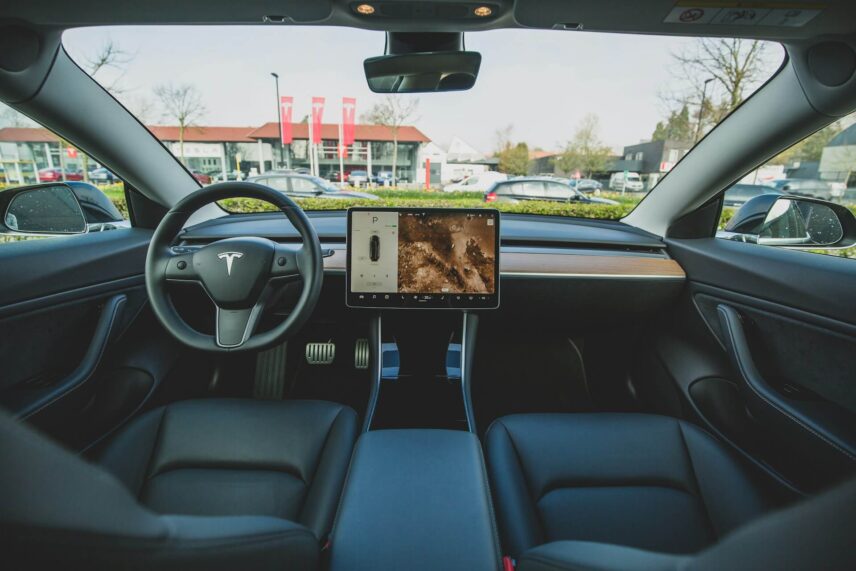
EV technology is continually evolving, and Tesla is no exception. By refining its components and integrating upgrades, it has the capability to build safer and more efficient models, which can attract more buyers.
Tesla is already eyeing manufacturing changes by shifting to an unboxed production process. Branded as the Global Automotive Modular Evolution, the goal is to make car parts before the actual assembly process. Think of it like the automotive version of prefabricated home construction.
Ideally, the unboxed production will help in improving component quality while also building more units. Goodbye, inventory shortage — hello, more options.
Specialization in BEV
At the end of the day, many people want to help combat climate change, and switching to electric-powered options helps do just that. Battery-powered electric vehicles (BEV) registrations in particular accounted for 20% market share between January and March 2026 in the EU — up 4% from the same period in 2025.
Tesla specializes exclusively in BEVs and does not produce any hybrid vehicles as of now. This kind of dedication from the brand can still make it a standout option for car buyers worldwide, including Europe.
Is Tesla Back in Europe?
As good as the first quarter looks for Tesla, only time will tell if the brand’s presence is truly back. Elon Musk continues to have a sour reputation within Europe, which has affected the company’s image and public perception. However, if he lies low or at least detaches himself a little more from the brand, Tesla can have a shot at flourishing in the EU market once again.
Additional moves such as developing more affordable car models or offering more deals could improve accessibility and interest. As the EV market continues to evolve, cheaper options from competitors could fill that gap if Tesla isn’t fast enough.
Keep an Eye on Tesla Europe Sales
Tesla’s momentum in Europe is back on track, but it’s important to keep this rebound steady to maintain its market position. If it’s still prominent among EU drivers, it’s a good sign that the brand still has presence and power worldwide.