As an Amazon Associate, Modded gets commissions for purchases made through links in this post.
If you haven’t heard of Obsession yet, you’ve probably been living under a rock, and honestly, that might be a safer place to be. The film debuted at a major film festival and has since become one of the most talked-about horror releases in years, pulling in audiences week after week in numbers that have left the industry genuinely stunned.
The real techniques behind its most striking moments turn out to involve a lot less CGI and a lot more craft than you’d expect — and none of them spoil a thing about the story.
A Small Budget With a Massive Impact
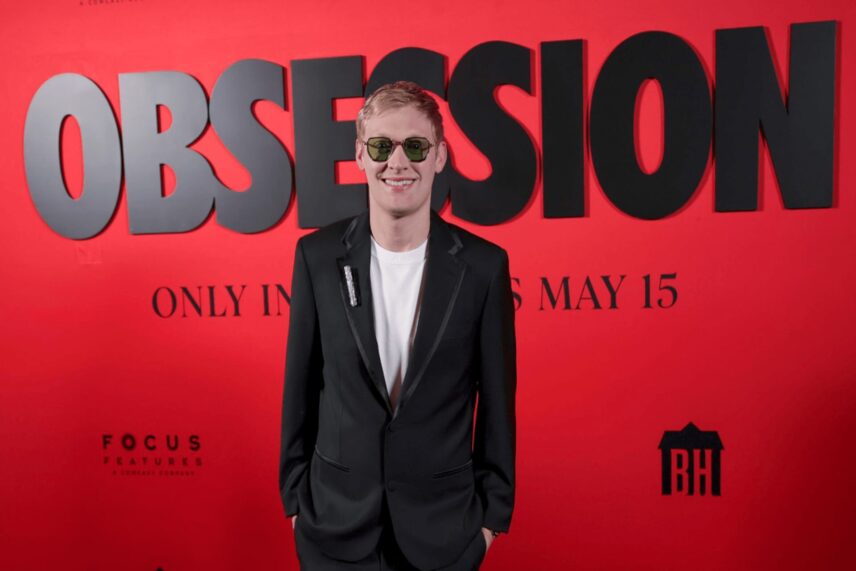
Image source: IMDB
Not many horror films make industry insiders do a double-take, but Obsession managed exactly that. Focus Features acquired the film after its festival run, and the $15 million acquisition price was a striking vote of confidence for a production that cost just $750,000 to make.
From there, the numbers only got more impressive. The film opened strong domestically and then did something almost no theatrical release does — it kept growing, posting a 39% increase in its second weekend and another 14% gain in its third before crossing $334 million globally.
What makes those numbers even more remarkable is what didn’t go into making them happen. There’s no franchise name attached, no established IP, no nine-figure production budget behind the spectacle. What Obsession has instead is craft, and a director who trusted it completely.
The Philosophy Behind Practical Filmmaking
Practical effects land differently than digital ones, and director Curry Barker understood that from day one. Rather than leaning on postproduction fixes, he built the film’s horror through in-camera techniques, controlled environments and strong performance. Barker has confirmed that roughly 90 to 95% of what appears in the film’s most unsettling moments is exactly what was captured on camera that day, with no heavy visual effects or frozen frames.
That philosophy runs through every department. Barker and cinematographer Taylor Clemens built a visual language around center composition, intentional framing and controlled light that makes everything feel slightly off without explaining why. When something feels wrong in Obsession, you can’t always put your finger on where it’s coming from, and that’s entirely by design.
The TikTok Trend That Made It to the Big Screen
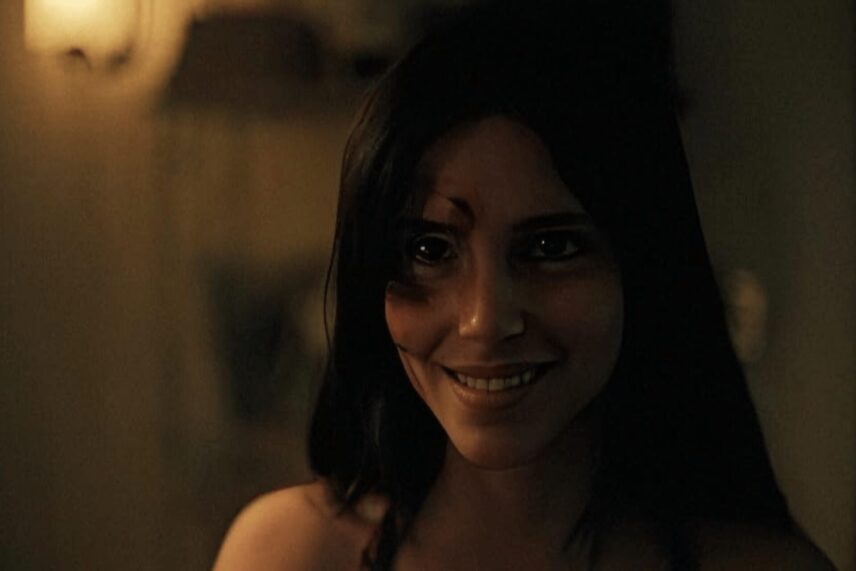
Image source: IMDB
One of the film’s most talked-about elements involves a makeup technique that most moviegoers had never seen applied to horror before — and many assumed was digital trickery when they first watched it. It wasn’t.
What Barker and his team used is known as uncanny valley makeup, a trend that took off on TikTok under #uncannyvalleymakeup after beauty creator Emilia Blarth popularized it around Halloween 2023. The concept draws from a principle in robotics where figures that look almost human but not quite tend to register as far more unsettling than something completely inhuman. Your brain knows something is wrong before your conscious mind figures out what.
Makeup artist Kate Oja engineered subtle alterations to Navarrette’s features that make her look quietly inhuman from a distance — the kind of wrong your eyes process before your brain catches up. The technique works using highlight and shadow only, with no prosthetics, no latex appliances and no digital enhancement.
That kind of outside-the-box thinking is exactly what separates modern horror from older formulas, and borrowing directly from a social media beauty trend to pull it off makes it all the more impressive.
Speed Ramping and What It Actually Does
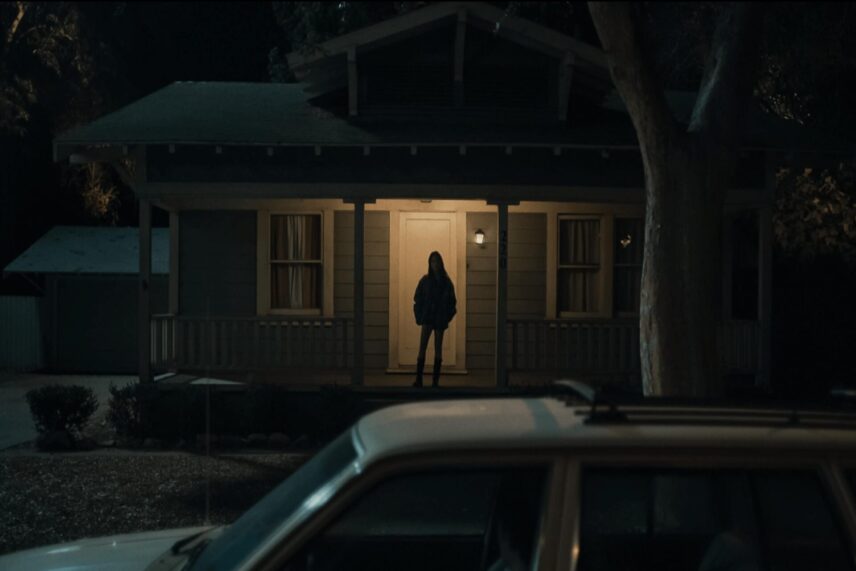
Image source: IMDB
Another tool in Barker’s kit is speed ramping, a technique where the playback speed of a shot gradually accelerates or slows, creating a disorienting shift in momentum. Action films have used it for years, but Obsession deploys it sparingly and in a context most people don’t expect — enhancing performance rather than adding visual flair.
Barker uses subtle speed ramping to heighten moments when actress Inde Navarrette’s physicality shifts from naturalistic to something harder to categorize. Combined with the uncanny valley makeup, it’s a layered approach that rewards rewatching. The second time around, you start to notice the seams — and somehow that makes it worse.
The Costume Obsession That Paid Off
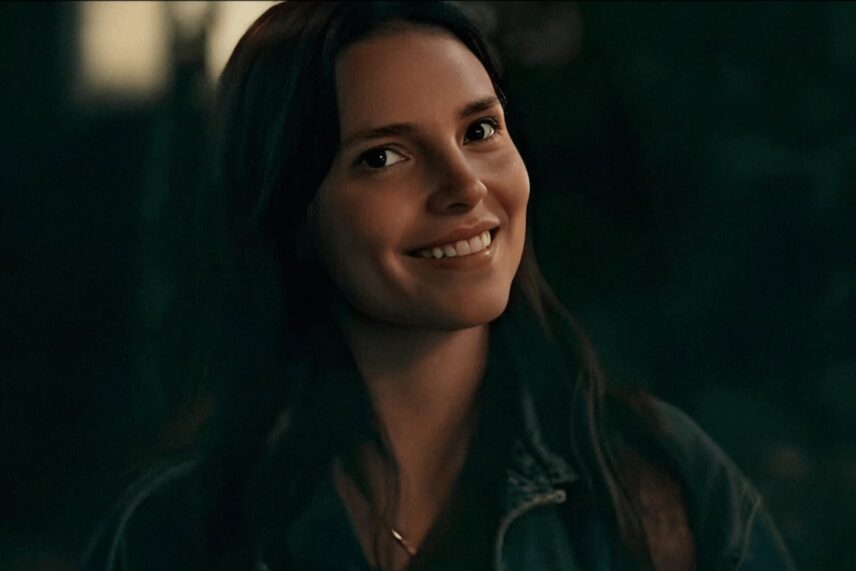
Image source: IMDB
While the makeup was pulling focus, the wardrobe was quietly doing just as much heavy lifting, and on a budget that makes the whole thing even more impressive. Costume designer Blair James was responsible for 32 costumes on roughly $6,000, sourcing pieces from thrift stores, hunting coupons and occasionally spray-painting jewelry silver overnight when cheap rings tarnished between shoots.
The goal wasn’t to create iconic looks. It was to create honest ones. Rather than defaulting to the usual shorthand Hollywood uses to signal “young person,” James approached the project like an anthropologist, spending time in crystal shops, sitting on benches at Disney World and watching strangers to understand what people actually wear rather than what a costume department thinks they wear.
What audiences are less likely to notice is how much symbolism James embedded beneath that surface realism. Every costume choice in Obsession functions as a psychological marker, with jewelry tracking a character’s mental state, wardrobe details mirroring shifting relationships and deliberately chosen private outfits revealing who a character is when nobody is watching.
The result is a film where the clothes tell a second story running parallel to the one on screen, and most viewers won’t even realize they’re reading it.
The Performance Is the Effect

Image source: IMDB
Here’s what gets lost in conversations about makeup and camera tricks — none of it works without an actor who commits completely.
What makes practical filmmaking compelling is exactly this dynamic. The makeup, the framing and the camera speed support a performance, but they can’t manufacture one. At their best, practical effects don’t just modify what an actor looks like. They create an entirely new identity in collaboration with the person wearing them. That’s the real craft at work in Obsession, and it’s why directors who commit to practical work, like Robert Eggers and Curry Barker, tend to get career-defining performances from their casts.
If Obsession has you hungry for more of that kind of filmmaking, it sits comfortably alongside some of the most promising releases this year has had to offer, and setting up a proper movie night to work through the list is reason enough to revisit it. It’s the kind of performance-driven filmmaking that practical effects scholars have long argued creates entirely new identities rather than simply modifying the actors beneath them.
Why It All Works
Barker made a film that belongs comfortably among the strongest genre releases in recent memory, and he did it by trusting physical, tangible craft over digital shortcuts.
None of that is magic, strictly speaking. But when it comes together in a dark theater, it’s hard to call it anything else. If Obsession is already on your streaming queue, you’ll watch it differently now. And if it isn’t, consider this your sign — the craft alone is worth the price of admission.