As an Amazon Associate, Modded gets commissions for purchases made through links in this post.
Many men across all age groups are concerned about hair loss. However, conversations about it are scarce and it often happens in private. For decades, the available solution to this issue is either to slow the loss or learn how to deal with it.
New research suggests that a possible cure for baldness might be closer than people think — focusing on regenerating hair rather than just preserving it. Dive deep into the timeline for turning this knowledge into a commercial product and ways you can take control of your hair’s health and appearance in the meantime.
What Really Happened in the Lab?

Around 70% of men experience pattern baldness due to their genetic makeup. However, there are only a few available solutions in the market today. In a study published in Developmental Cell, scientists focused on a protein called SCUBE3. This naturally occurring protein acts as a powerful messenger, signalling the cells at the base of follicles to begin growing hair.
If you experience male-pattern baldness, your hair follicles don’t actually die. Instead, they shrink and go dormant. The research suggests that SCUBE3 can wake up these dormant follicles. In the study, SCUBE3 was injected into the skin of mice with dormant follicles, which resulted in new and robust hair growth in under a month. Mice were used because they share the same hair-follicle biology as humans. The scientists were also able to observe the effects of the treatment within the mice’s life cycle.
Male pattern baldness is one of the most common causes of hair loss in men, especially in those over 50. This research can significantly change the course of hair loss treatment, potentially enabling the reversal of hair loss.
From Lab Bench to Bathroom Shelf
A successful mouse study is a great first step toward developing a solution for male pattern baldness. However, it is not the finish line. There are still many steps between the study and mass production, leading to a product in your hands. Any human treatment must undergo rigorous clinical trials overseen by regulatory bodies such as the FDA. This is typically a multi-year process to ensure the safety and efficacy of treatments.
The three phases of trials are as follows:
- Phase I for Safety: A small group of human volunteers receive the treatment to test its safety and potential side effects
- Phase II for Efficacy: A larger group of volunteers is tested to check whether it actually works in humans and to determine the optimal dosage
- Phase III for Comparison: Thousands of participants are studied to check the treatment’s effectiveness against a placebo and to compare it to existing treatments, typically taking several years at most
A discovery like the SCUBE3 protein, leading to an approved, marketable treatment, may take several years, if not longer. Obstacles in this process include long-term safety, developing a delivery method (such as creams or injections), and demonstrating its advantage over current options. Despite its long time frame, the study shows promising results and a remarkable step towards the right direction in tackling this issue.
Actionable Steps for Healthier Hair
You don’t need to passively wait for SCUBE3’s development. Take control of your hair’s health and appearance by incorporating a smart and multi-faceted strategy that blends medical science and practical care. Additionally, it’s important to understand what is happening to your hair. A receding hairline moves back one inch from its original position, resulting in an M pattern on the head.
Effective gold-standard treatments for hair loss are also widely available to try. The landscape is dominated by two FDA-approved options that form the foundation of hair loss management.
1. The Power of Perception

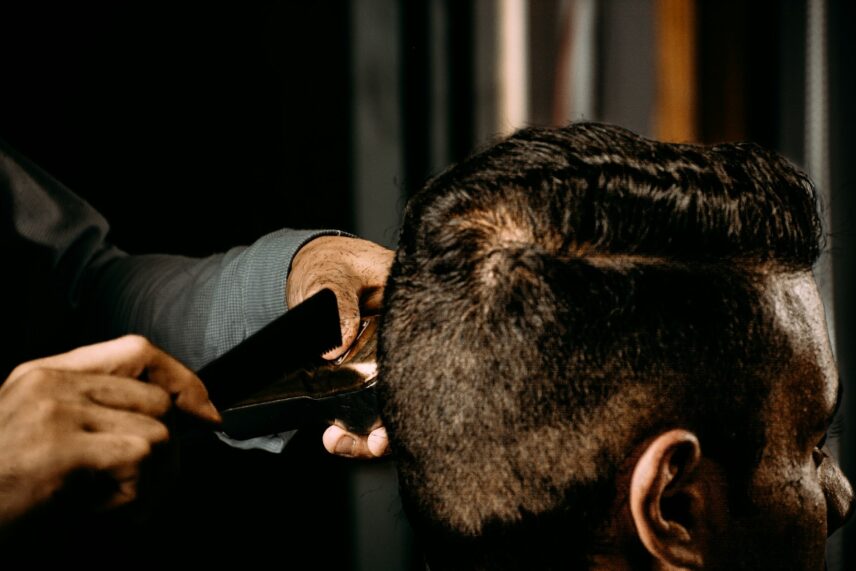
How you style and cut your hair can dramatically alter its appearance. A skilled barber can create a style that works for you and your hair type, creating an illusion of denser hair. In particular, shorter styles such as a classic crew cut, a high and tight or a buzzcut can minimize the contrast between your thinning and denser hair areas. On the other hand, textured haircuts like a cropped fade can give the illusion of volume. These styles create a sharp and intentional look.
2. A Healthy Scalp is the Foundation
You can’t change your genes. However, you can provide the best environment for your scalp so your hair can be at its best. Think of the scalp as a garden where hair grows. A scalp that is plagued by oil, dead skin and inflammation can inhibit healthy hair growth. A proper care routine with quality shampoo and a scalp exfoliant ensures clear follicles that can receive the nutrients they need. Additionally, dietary supplements can aid hair growth and strength.
3. Finasteride — Tackling Hair Loss at the Source
Finasteride is an oral medication taken once a day and is typically prescribed by a medical professional. It functions as a powerful DHT-blocker. This potent androgen hormone binds to scalp follicles and causes them to shrink. This eventually slows down and stops hair production. By reducing the amount of DHT in your system, Finasteride can remove the main trigger of and stop further hair loss.
Finasteride acts as a defense, stopping the progression of balding. A significant subset can experience hair regrowth as follicles become healthier, but this is not guaranteed. Moreover, this treatment is not an overnight solution. Effects are typically noticeable after 3 to 6 months of continued use.
4. Minoxidil — Energizing Follicles for Growth
Minoxidil is a topical treatment available over the counter in liquid or foam form. The treatment is applied directly to the scalp and is one of the most effective cures for baldness. Originally a blood pressure medication, its hair-growing properties were only discovered as a side effect. It works by widening blood vessels in the scalp, increasing the flow of oxygenated blood and vital nutrients into the hair follicles. Additionally, it acts as a stimulant, shortening the follicle’s resting phase to encourage growth more quickly.
If you decide to use Minoxidil, you might typically observe a temporary increase in shedding. This isn’t a cause for concern — it typically means that the treatment is working. Minoxidil pushes old, resting hair out to make way for new hair. The shedding is reduced after a few months and you will typically see new, finer hairs, which will typically thicken over time. This might take four to six months of consistent application. Stopping the treatment, however, will cause hair loss to resume.
A Hopeful, Realistic Look Forward
The future of hair restoration and a cure for baldness is already underway with this groundbreaking research. However, it will still take quite some time for products to be available widely. However, you don’t have to wait a decade to take control of your hair. There are science-backed treatments available today. Additionally, adopt effective grooming strategies to significantly improve your hair’s health and appearance, for a more confident you.