As an Amazon Associate, Modded gets commissions for purchases made through links in this post.
If you’re currently working on improving your core muscles, you’ve probably heard of hollow hold. This abdominal exercise is one of the best ways to strengthen your core muscles. Here’s everything you need to know about hollow hold, how to do it properly and some safety precautions to keep in mind.
What is the Hollow Hold?
The hollow hold, also known as hollow body hold, looks like a flipped-over plank. It requires you to lie on your back, bring tension to your core muscles and lift your upper body and legs off the mat, allowing you to form a slight C shape.
It is an intermediate to advanced-level abdominal movement, making it an excellent exercise for sports enthusiasts and beginners.
Muscles Engaged in Hollow Hold
Hollow hold muscles worked include your trunk or midbody, the muscles encompassing your pelvis, stomach, hips and lower back. When done properly, the hollow hold workout can improve posture. When the abs and lower back are in the right position, this exercise can help enhance muscles to help prevent lower back pain.
Hollow Hold Workout Benefits

You can reap the following advantages when doing the hollow hold exercise.
- Strength and stability: This exercise is great for core stabilization. It helps build your core and lower body’s strength to resist movement, keeping you stable and reducing your risk of injuries caused by sports, exercises and everyday activities.
- Improved posture: The hollow hold benefits your posture. Building stability and strength across your core allows you to stand upright and resist leaning forward or to the side.
- Better athletic performance: Like other exercises, mastering this exercise can help improve your performance. It increases your body’s safety against executing advanced movements, such as pull-ups, handstands and other motions requiring you to engage your core for stability.
- Rehabilitation: Since this isometric exercise improves strength without stressing the joints, hollow hold is often recommended for rehabilitation. It’s also an excellent motion to add to a sports conditioning program focused on core strengthening.
How to Execute a Proper Hollow Hold

This exercise puts great emphasis on form and technique. Get your yoga mat and follow these step-by-step instructions.
1. Lie down on the mat. Extend your legs and have your arms hanging on sides.
Flex your abs to press your lower back into the mat. Even if you modify the move, what makes the hollow hold muscles work is the act of pressing your lower back into the mat. You can achieve this by flexing your abs, squeezing your inner thighs together and never letting go of that hold.
2. Lift your legs 2 to 3 inches above the mat.
Keep squeezing your abs and press your lower back into the mat. Don’t disengage, as it can lessen the effort.
3. Lift your shoulder blades off the floor and flex your arms behind you.
Your upper body position is crucial. Instead of raising your arms, focus on getting your shoulder blades off the ground to create tension in your core.
To create this tension, you need an upper-body lever to connect to your abdominal muscles. You’re not required to elevate your shoulder blades much — a millimeter off the ground would be fine.
4. Raise your head off the mat — around 1 to 2 inches — while ensuring your lower back remains engaged.
During this time, you may be tempted to tuck your chin to your chest. You may think doing it can help keep your shoulder blades off the ground. However, you need to resist that urge.
Tucking your chin raises your neck from its normal position. It also reduces core tension, resulting in less effective exercise. Keeping your chin in a neutral position will reduce the risk of neck strain.
5. Hold the position for 30 seconds or as long as possible before returning to a neutral position.
The good thing about hollow hold is that it’s a flexible exercise. You can hold it until you can or as prescribed by your fitness instructor.
How Could I Make it Easier If I’m a Beginner?
Yes, you can make the exercise easier for you in many ways. You can raise your legs higher or keep your arms on the floor for more stability. Remaining flexible with your workout is essential for beginners. You won’t be able to do it perfectly at the same time. The important thing is to keep moving so you can improve your movement.
Other Ways to Do Hollow Hold
Aside from the abovementioned tip, consider doing other variations.
- Bend your knees: Keep your lower back pressed into the floor to engage core muscles while bending your knees.
- Add weight: If you’re looking for a way to elevate the exercise, consider incorporating equipment. For instance, you can hold a 10-pound weight plate in your hands.
- Lower your legs: Another way to increase the hollow hold workout’s challenge is to lower your legs closer to the floor. Just remember not to lose the hollow shape in your midsection.
Safety and Precautions
While generally safe, hollow hold can cause strains to other body parts when executed poorly. Remember these before incorporating this exercise into your routine.
Remember Basic Protocol
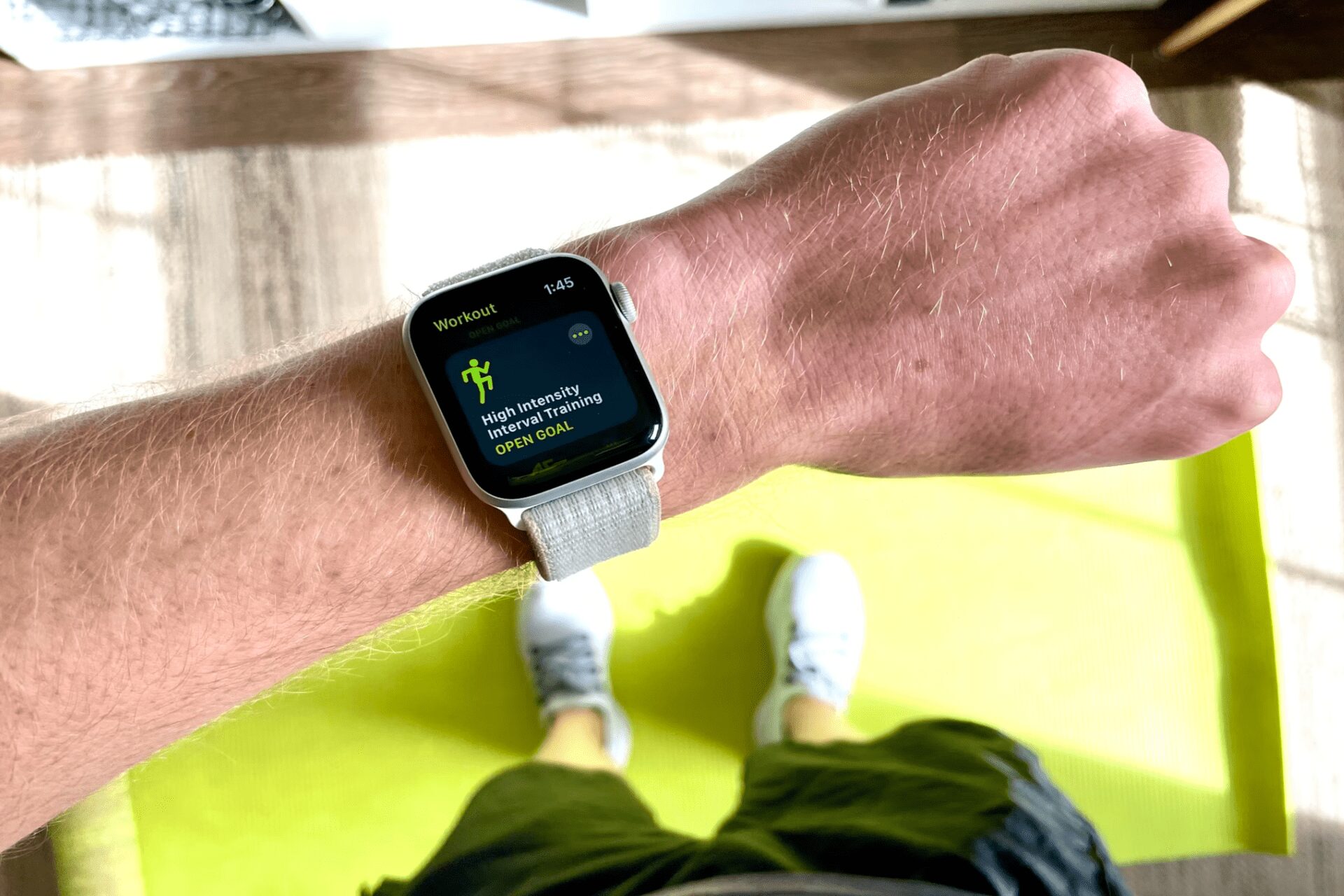
If you’re working out outside, apply sunscreen that blocks UVA and UVB rays to protect your skin from sunburn and premature skin aging. Wearing a fitness watch can also help you monitor your vital signs, helping you avoid health emergencies.
Consult Your Physician
You may not reap all the benefits of hollow hold if you have lower back, neck or shoulder issues. These may limit your ability to perform the exercise well. Consult your doctor or fitness instructor before incorporating this into your workout routine.
Start Slowly
Avoid feeling pressured to perfect it for the first time. Allow your body to adapt and build strength until you can do the hollow hold properly. Feel free to start with easier variations first.
Consider Adding Hollow Hold to Your Workout Routine
Hollow hold provides various advantages that are beneficial for beginners and athletes alike. However, given its intermediate to advanced nature, it can be challenging to master it at first. Remember to start slowly an follow the three safety and precautions before doing it.