As an Amazon Associate, Modded gets commissions for purchases made through links in this post.
You’re halfway up a rock face, fingers cramping, and every muscle in your body is screaming. The next hold seems just out of reach, and the frustration is building. If you’ve ever been there, you know that rock climbing is more than just about strength — it’s about technique. Mastering the proper rock climbing techniques can transform your climb from a struggle to a triumph. Learn about these strategies to help you conquer any wall with confidence and finesse.
Embrace the Basics: The Foundation of Rock Climbing Techniques
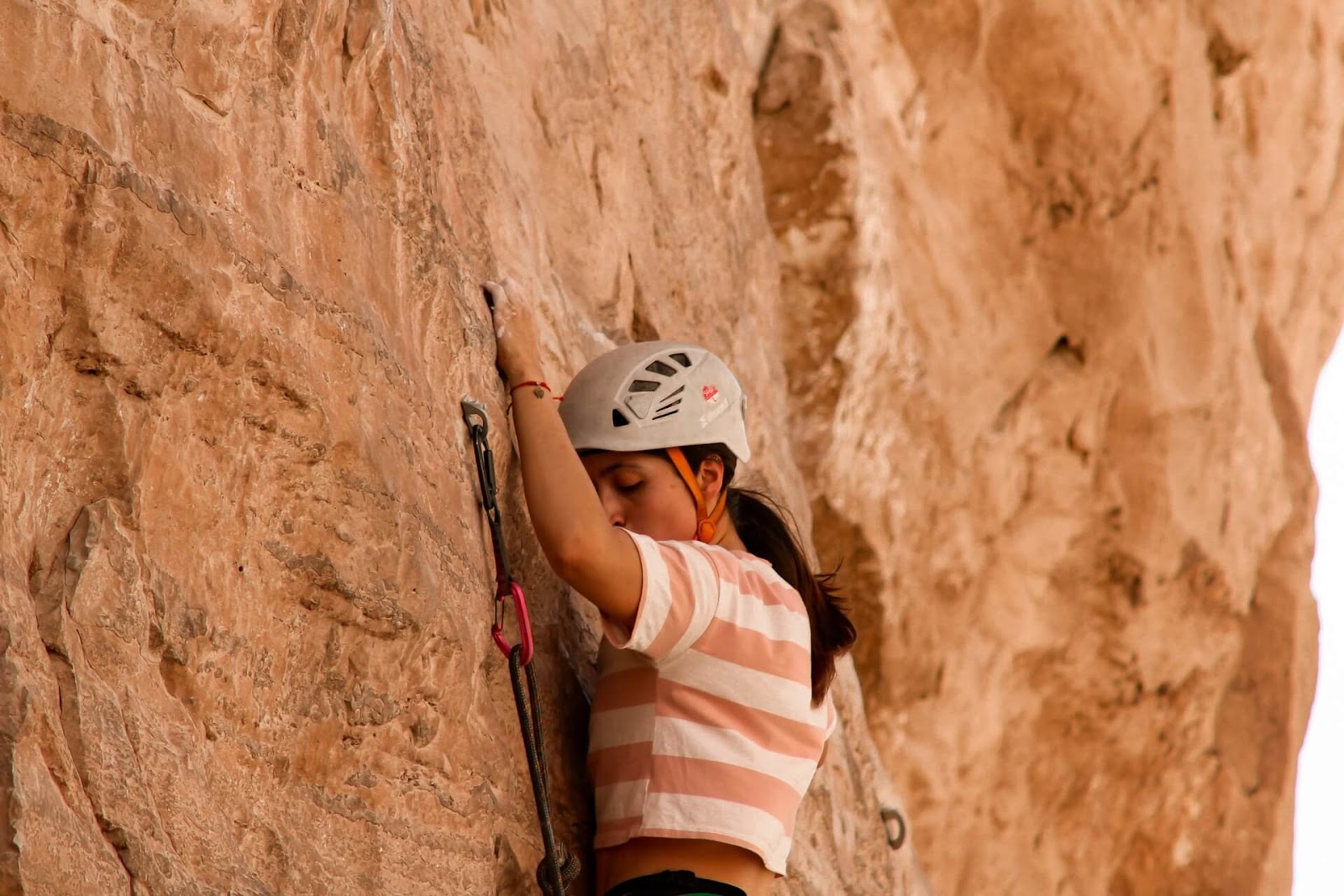
Before becoming a climbing pro, you must master the basics. These foundational rock climbing techniques will set the stage for your ascent.
Footwork: The Key to Efficiency
Proper footwork is crucial in rock climbing. Many beginners focus too much on their upper body strength, but experienced climbers know that strong, precise footwork can make all the difference. Use the following tips to improve your footwork:
Use Your Toes
Place the tips of your toes on footholds to maximize your reach and balance. This strategy gives you more control and helps distribute your weight more efficiently.
Practice Silent Feet
Aim for quiet, deliberate foot placements. This method reduces energy expenditure and increases your precision.
Master Smearing
When footholds are scarce, use the rubber of your climbing shoes to create friction against the rock face. This technique — known as smearing — can provide stability on smooth surfaces.
Body Positioning: Finding Your Balance
Efficient body positioning can make a significant difference in your climbing. Proper alignment and movement reduce the strain on your muscles and conserve energy. Keep these principles in mind:
Center of Gravity
Keep your hips close to the wall to reduce the pull on your arms. This strategy is known as “staying close to the rock.” It helps you stay balanced and makes climbing easier.
Flagging
This concept involves extending one leg away from the wall to counterbalance your body. It’s a useful rock climbing technique when reaching for a hold far from your centerline.
Twisting and Turning
Use your body’s natural movement to your advantage. Twist your hips and shoulders into the wall to reach further and create more stability.
Intermediate Rock Climbing Techniques: Stepping Up Your Game
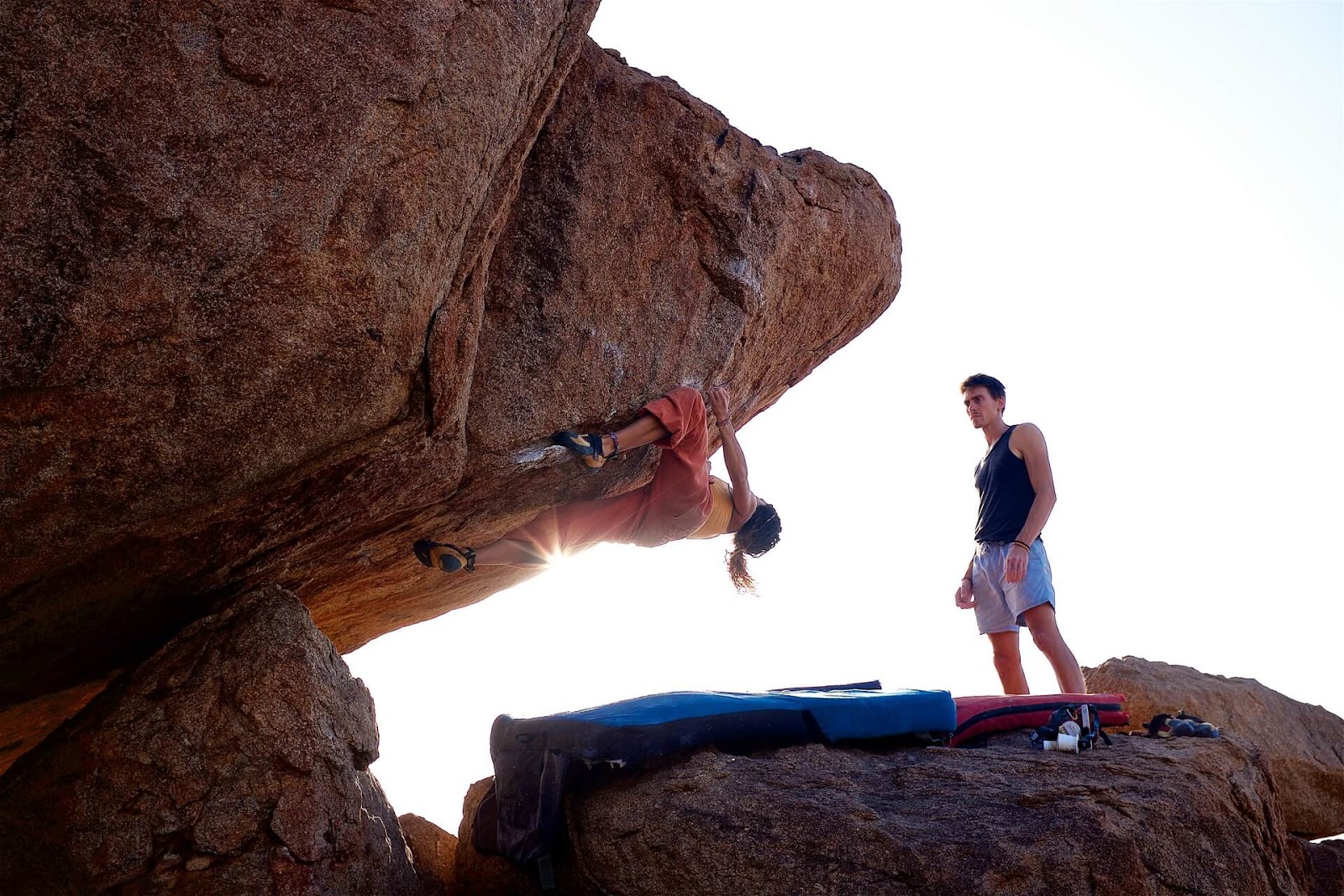
Once you’ve got the basics down, it’s time to incorporate more advanced rock climbing techniques. These methods will help you tackle tougher routes and improve your overall performance.
Heel Hooking and Toe Hooking
Heal and toe hooking are advanced techniques that provide additional leverage and stability.
Heel Hooking
This strategy involves hooking your heel over a hold to pull yourself up. It’s particularly useful on overhangs and roofs, where upper body strength alone might not suffice.
Toe Hooking
This method uses the top of your toes to hook onto holds. It’s often employed when you need to maintain body tension and prevent swinging off the wall.
Dynos: Embracing Dynamic Movement
A dynamic move — or dyno — involves leaping from one hold to another. While it requires explosive power and precise timing, mastering dynos can help you navigate routes with spaced-out holds.
Build Momentum
Swing your body to generate momentum before leaping.
Commit Fully
Hesitation can lead to missed holds and potential falls. Commit fully to the move to increase your chances of success.
Crack Climbing: Mastering the Art of Jamming
Crack climbing involves using specific techniques to ascend fissures in the rock. It requires a unique set of skills and can be physically demanding.
Hand Jams
Insert your hand into the crack and expand it by cupping or making a fist to create a secure hold.
Foot Jams
Like hand jams, foot jams involve wedging your foot into the crack and twisting it to lock it in place.
Advanced Rock Climbing Techniques: Elevating to Expert Levels
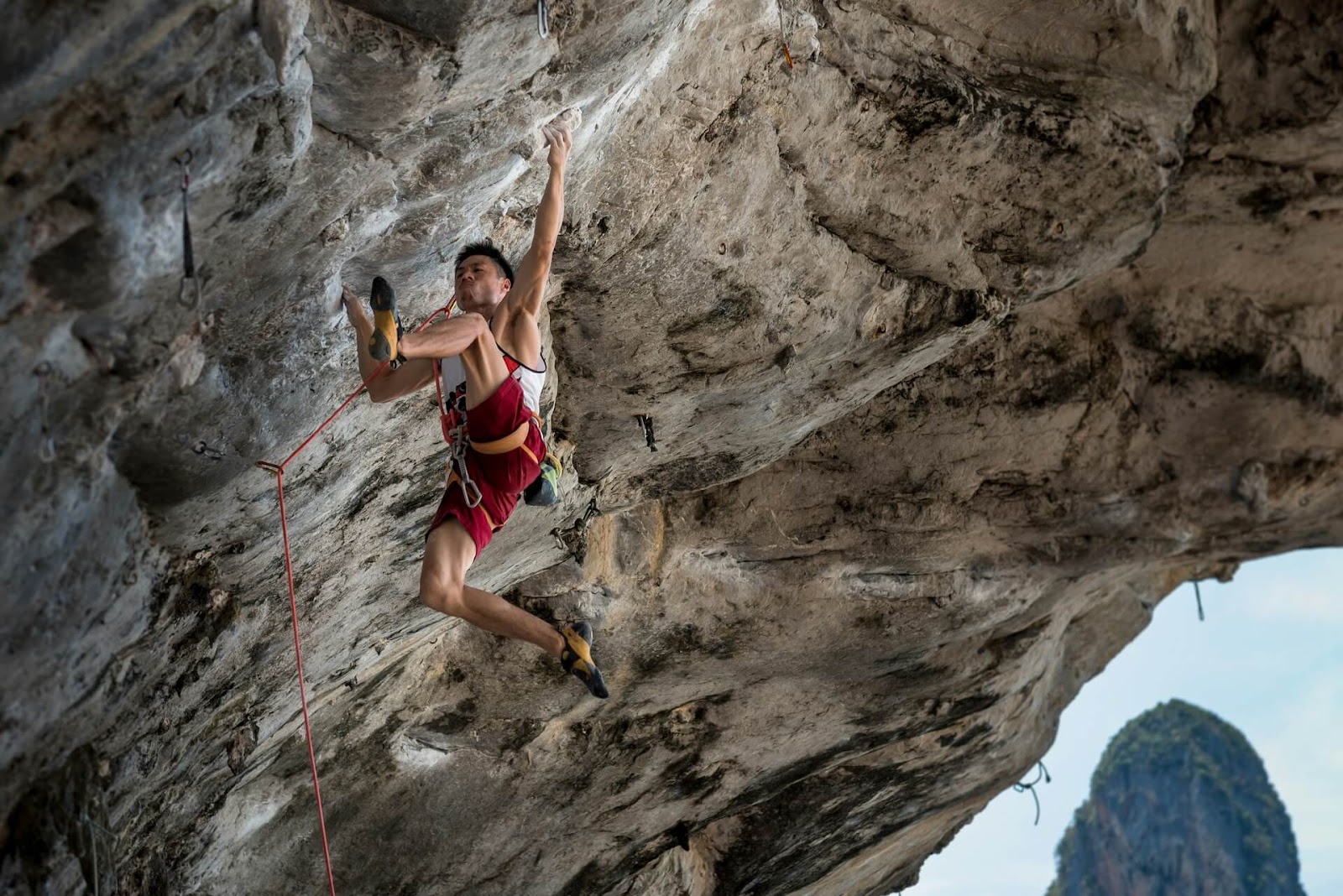
For those who have mastered the basics and intermediate techniques, advanced rock climbing techniques will push your limits and refine your skills.
Mantling: The Top-Out Technique
Mantling is used to pull yourself up and over a ledge or the top of a climb.
Palm Down
Place your palms down on the ledge and push your body up.
High Feet
Bring your feet up high to create leverage and push off with your legs.
Advanced Footwork: Edging and Smearing
While basic footwork is crucial, advanced techniques like edging and smearing can enhance climbing efficiency.
Edging
Use the edges of your climbing shoes to stand on small holds. This strategy requires precise foot placement and balance.
Smearing
Apply more advanced smearing techniques to maximize friction on smooth surfaces, allowing for better control.
Overcoming Challenges: Common Struggles and Solutions
Rock climbing isn’t just about physical strength — it’s also a mental game. Here are some common challenges men face while climbing and how to overcome them:
Fear of Falling
Even the most seasoned climbers can experience a fear of falling. Here’s how to manage it:
Practice Falls
Familiarize yourself with falling in a controlled environment. This stategy can help reduce anxiety and build confidence.
Visualize Success
Use visualization techniques to imagine successfully completing the climb. This technique can boost your mental resilience.
Plateauing in Progress
Hitting a plateau in your climbing progress can be frustrating. Here’s how to break through:
Try Different Routes
Vary your climbing routes to challenge different muscle groups and techniques.
Set Small Goals
Break down your climbing goals into smaller, achievable milestones. This method keeps you motivated and focused.
Building Endurance
Rock climbing requires stamina and endurance. Here’s how to build it:
Cross-Training
Incorporate cardio and strength training into your routine to build overall fitness.
Rest and Recovery
Allow your body time to recover between climbs to prevent injury and maintain performance.
Gear Up: Essential Equipment for Rock Climbing
Having the right gear is crucial for rock climbing success. Here’s a quick rundown of essential equipment:
Climbing Shoes
When climbing, your feet are among your greatest tools — invest in high-quality climbing shoes that fit snugly and provide excellent grip.
Chalk and Chalk Bag
Keep your hands dry and improve your grip with chalk.
Harness and Belay Device
Ensure your safety with a reliable harness and belay device.
Climbing Rope
Choose a dynamic climbing rope that meets safety standards.
Take the Challenge
Rock climbing is a thrilling and rewarding pursuit that challenges both your body and mind. Mastering these rock climbing techniques will enable you to tackle any wall and elevate your climbing game. Remember, every climb is an opportunity to improve and push your limits. So, gear up, stay ahead of the curve and embrace the climb. The wall is yours to conquer!