As an Amazon Associate, Modded gets commissions for purchases made through links in this post.
Pickleball is the fastest-growing game in the United States, a claim that many people wouldn’t dispute. Padel isn’t as popular as pickleball, but its base is expanding. Discover the key differences between the two exhilarating racket sports to understand what’s unique about padel versus pickleball so you can decide which one is for you.
1. Court Size
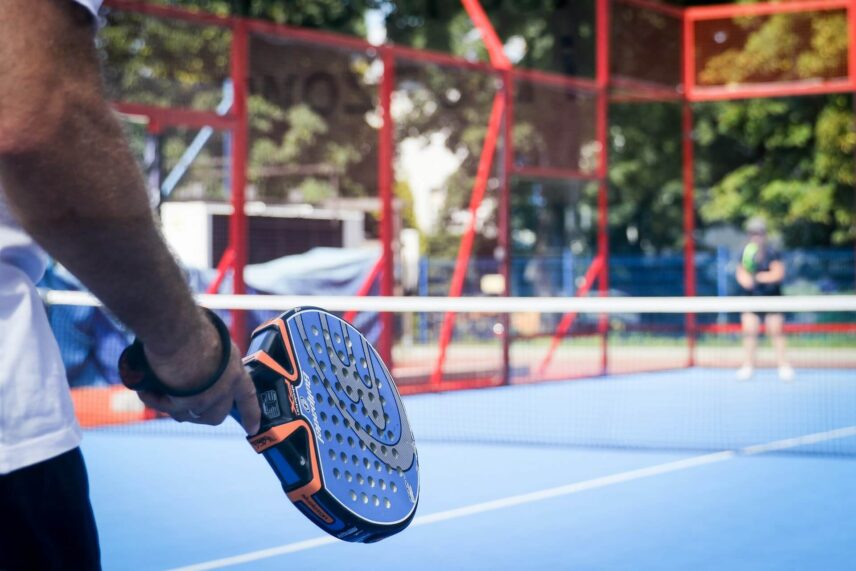
A padel court measures 20 meters (about 65.6 feet) long and 10 meters (about 32.8 feet) wide, completely enclosed by glass walls and metal fencing. Those walls are part of the game, allowing you to continue rallies after the ball rebounds off them. That’s why many describe padel as a blend of tennis and squash.
A pickleball court is much smaller, at 44 feet by 20 feet, roughly the same size as a doubles badminton court. It has no walls, and each side of the net has an off-limits area, called “the kitchen,” where players can’t volley the ball.
The larger playing area and enclosed design make padel rallies more dynamic, while pickleball’s compact court emphasizes precision and positioning.
2. Equipment
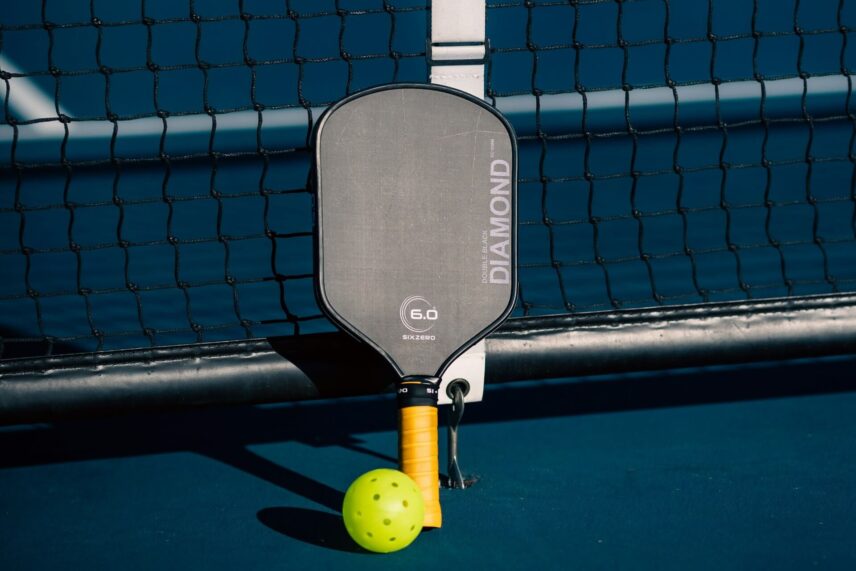
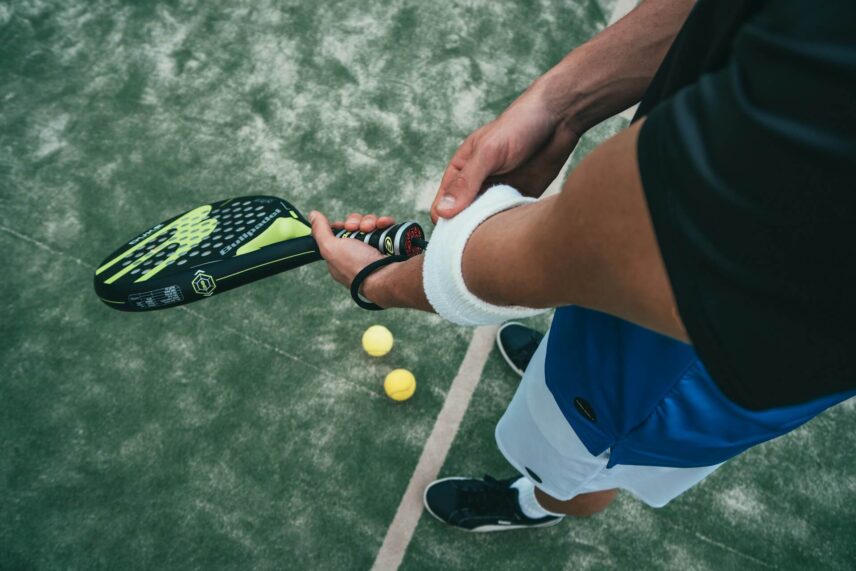
Padel uses a solid racket with perforated holes instead of strings. It’s thicker than a pickleball paddle and is paired with a depressurized tennis-style ball that bounces relatively high.
Pickleball uses a flat paddle made from composite materials and a lightweight plastic ball with holes. The plastic ball travels more slowly and behaves differently depending on whether you’re playing indoors or outdoors.
These gear differences influence the pace of play. Padel rewards power and spin, while pickleball emphasizes touch and shot placement.
3. Main Rules
Padel is almost always in a doubles format. After the serve, you can use the surrounding walls as in squash, provided the ball first bounces inside the court. The result is longer rallies and countless creative angles.
Pickleball can be played as singles or doubles. The receiving team can only return the serve after it bounces, and the serving team must also let that return bounce before volleying. This “double-bounce” rule prevents immediate net attacks. You must also avoid volleying while standing inside the kitchen.
Overall, padel introduces more variables because of wall play, while pickleball keeps the rules simple and beginner-friendly.
4. Scoring
Padel follows traditional tennis scoring, with 15, 30, 40 and game. The first team or player to win six games with a lead of at least two wins the set, and the first to win two out of three or three out of five sets wins the match.
Pickleball uses a point-based system. Most recreational games go to 11 points, and a team must win by two. Under traditional scoring, only the serving team earns points, although some recreational leagues are now experimenting with rally scoring.
Many newcomers pick up pickleball’s scoring more easily, while those familiar with tennis get padel’s scoring immediately.
5. Shots
The available shots are what truly set these sports apart. Padel players frequently hit:
- Wall rebounds
- Lobs
- Overhead smashes
- Volleys
- Defensive wall shots
- Spin-heavy groundstrokes
Using the walls extends rallies and rewards anticipation as much as power.
On the other hand, pickleball players rely more heavily on:
- Dinks
- Third-shot drops
- Drives
- Volleys
- Overhead smashes
The famous dink, a soft shot that lands in the kitchen of the opponent, is one of pickleball’s defining skills and helps create strategic exchanges near the net.
How to Decide Between Padel and Pickleball
If you’re choosing a new racket sport, consider these factors.
Gameplay
Your preferred style of play should be your first consideration.
Choose padel if you enjoy fast-paced rallies and creative angles and love the idea of using the walls to keep points alive. The enclosed court constantly changes the direction of play, making every rally feel unique.
Select pickleball if you prefer straightforward rules, tactical placement and patient point construction. While the game can become very competitive, it’s relatively easy to understand after just a few matches.
Physical Intensity
The two sports demand different levels of movement.
Padel generally requires more running because the court is larger, and players chase balls that rebound off the walls. Quick directional changes and sustained rallies provide an excellent cardiovascular workout.
Pickleball is less physically demanding than padel. The smaller court means less distance to cover, making it attractive for players of various ages and fitness levels while still offering plenty of workout.
Pace of Play
The speed of each game feels different.
Padel often features faster ball speeds and extended rallies, thanks to wall rebounds. Players need quick reactions and strong teamwork to stay competitive.
In contrast, pickleball alternates between fast exchanges and slower, tactical battles at the kitchen line. The plastic ball naturally slows the pace of play compared to padel, giving players more time to react.
Court Availability
Pickleball, which has been an American pastime since at least the ‘80s, is more popular than padel in the U.S., making it more accessible.
By November 2025, there had only been about 700 padel courts across the U.S., accommodating about 110,000 players.
Considering that approximately 24 million people play pickleball in the States, its courts are naturally more widely available. Globally, about 30% of padel clubs have pickleball courts.
Nevertheless, sports pundits predict that padel will grow exponentially in the country in the future. Padel courts should become more accessible to interested players in most American cities over time.
Padel vs. Pickleball — Which One Is Easier?
Padel and pickleball can be for beginners, but their intuitiveness depends on players’ familiarity with other racket sports and gameplay preferences.
Those who have tried padel and pickleball find the latter easier to play. The smaller court, slower plastic ball and simpler rules allow you to rally within minutes. The learning curve is gentle, making pickleball an excellent introduction to racket sports.
Padel is beginner-friendly compared to tennis, but using the walls effectively takes practice. Once you master those rebounds, however, you can appreciate the extra tactical depth the sport offers.
If you’re a racket sport newbie, pickleball is a good starting point. If you play tennis or prefer a slightly more physically demanding game with greater shot variety, you may enjoy padel more.
Padel and Pickleball Are Both Worthwhile
Padel and pickleball provide exciting ways to stay active and socialize, especially when the weather is pleasant. Give each one a try, and you may discover that there’s room for both in your weekly routine.