As an Amazon Associate, Modded gets commissions for purchases made through links in this post.
The Tesla Cybertruck divided opinion like few vehicles before it, but you couldn’t ignore its brutalist, stainless-steel presence. Now, Tesla has unveiled the Cybercab, yet somehow, it’s even uglier. This isn’t just about polarizing design anymore. The Cybercab represents a fundamental misunderstanding of what makes a vehicle appealing, and if you’re a car enthusiast who values design integrity, here’s where Tesla (may have) gone wrong.
Cybercab’s Controversial Design
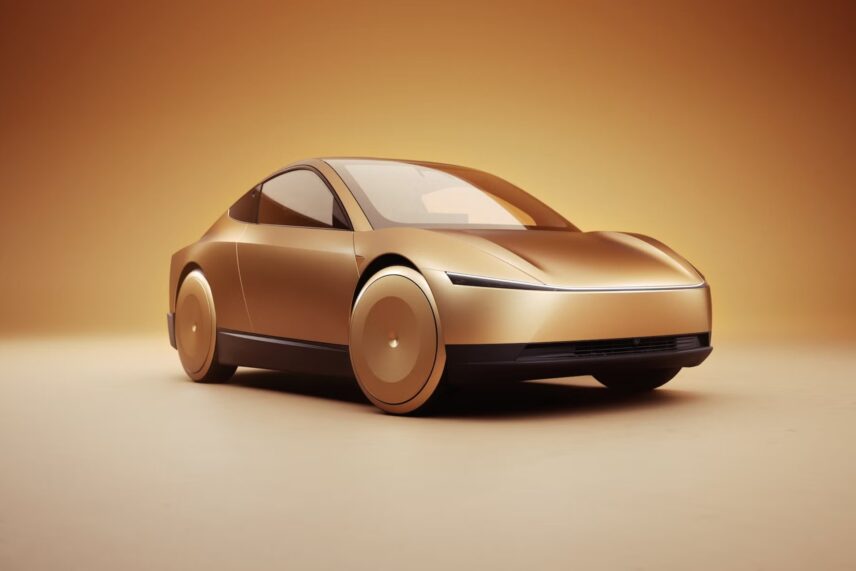
The Tesla Cybercab, also known as the robotaxi, is Tesla’s vision for autonomous ride-sharing. It strips away traditional controls, seats just two passengers and relies on an around 50-kWh battery pack that delivers close to 300 miles of EPA-estimated driving range. The efficiency numbers look impressive on paper, but the vehicle feels soulless.
This is a car designed by spreadsheets rather than by someone who understands what makes you want to own a vehicle. The Cybercab prioritizes data-driven efficiency over emotional appeal, resulting in a design with no drama, no tension and no visual story worth telling. It exists to solve narrow problem while forgetting that cars have always been about more than just transportation.
A Critique Of Its Exterior Form
The exterior is a featureless, aerodynamic blob that lacks the strong lines and character defining great car design. Tesla prioritizes aerodynamics over comfort and visual drama. The result looks shaped by a wind tunnel rather than by a designer with vision. The smooth surfaces that help it slip through the air also strip away any sense of personality, leaving you with no aggression, no elegance, no cargo space and no visual tension. It simply occupies space without making a statement.
The Plastic-y Look and Feel
While the Cybertruck embraced stainless steel and all its manufacturing challenges, the Tesla Cybercab features plastic body panels made from injection-molded polyurethane. Tesla eliminated the need for paint, cutting costs and speeding production. However, it also creates a vehicle that feels less premium than its sibling.
The plastic allows for more curves, though the trade-off is a vehicle that looks cheaper than it should. Driving a Cybercab would be like piloting a Tupperware container taxi service, and while the Cybertruck commanded attention with its presence, the Cybercab just blends into the background as something forgettable and uninspiring.
Tesla chose gold for the Cybercab as an homage to New York City’s yellow cabs, but where the Cybertruck’s steel finish felt intentional and bold, the Cybercab’s gold plastic feels like a compromise that satisfies no one.
Questioning The Cybercab’s Real-World Utility
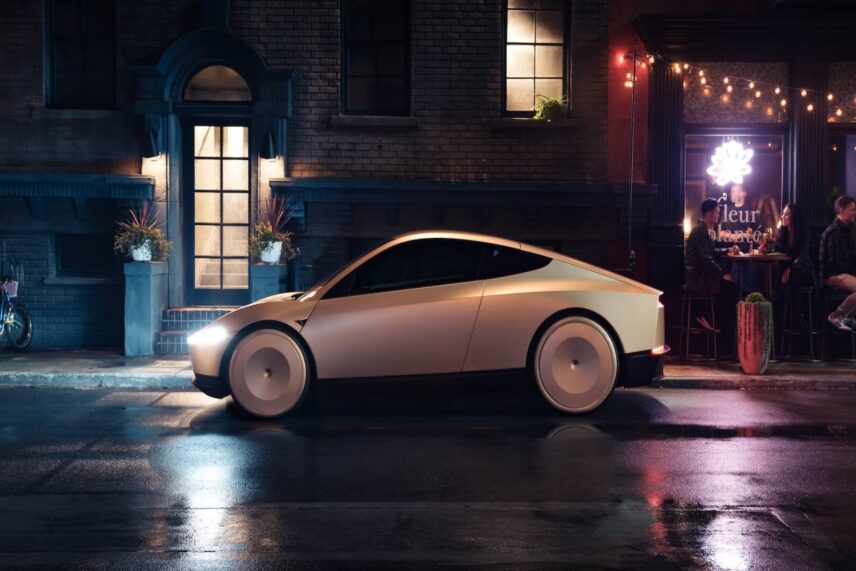
When you examine how this vehicle functions beyond its design shortcomings, the cracks in its practicality start to show. Tesla built this robotaxi for a specific use case and sacrificed versatility in the process.
A Cabin Focused On The Solo Rider
The Cybercab seats just two passengers because Tesla’s rationale is that most ride-share trips involve a single rider. It’s logical on paper, but ignores countless real-world scenarios like sharing a ride with a colleague, transporting families with kids or groups splitting a fare.
Academic research suggests that expanding seating capacity to four would make the vehicle more efficient and accessible for true taxi service. A four-seat configuration would serve more customers and handle more trip types, yet by limiting the Cybercab to two seats, Tesla is betting everything on a narrow market slice.
Where Does Your Luggage Go?
The Tesla Cybercab appears to lack functional cargo space, which raises an obvious question: if you’re using a robotaxi to get to the airport, where does your suitcase go? Its focus on compact design eliminated one of the most basic requirements for any transit vehicle.
Compare this to competitors who are innovating without sacrificing utility. Polestar designed the Polestar 5 with seats made of recycled plastic bottles, proving you can prioritize sustainability while still building a car that meets real-world needs. Unlike Tesla’s inconsistent panel gaps, Polestar benefits from Volvo engineering standards that result in vehicles thoughtfully designed from every angle rather than optimized for a single metric like cargo space.
Placing It Side-By-Side With the Cybertruck
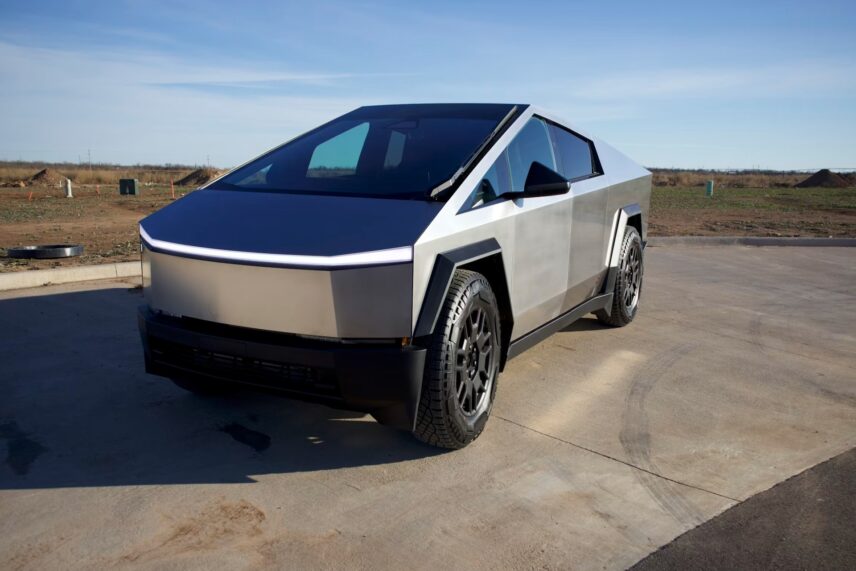
Comparing the Tesla Cybercab directly to the Cybertruck reveals just how far it falls short. Both vehicles share Tesla’s DNA, yet they couldn’t be more different in execution.
Two Divergent Design Philosophies
The Cybertruck was designed to make a statement with its angular, brutalist design, inspired by a desire to create something unmistakable and tough. The Cybertruck racked up over 250,000 pre-orders, proving bold design choices can pay off even when they divide opinion.
The Cybercab took the opposite approach by letting cost reduction and aerodynamic efficiency drive every curve and material choice. Every decision was made to maximize range and minimize production costs, leaving the design with no emotional core and no attempt to create something memorable.
Bold vs. Bland
The Cybertruck evokes an emotional reaction, whether you love it or hate it, but you feel something when you see it. The Cybercab doesn’t inspire any emotion because it’s sterile, forgettable and bland in its quest to be an efficient taxi service above all else.
Car enthusiasts love its bulletproof design and the audacity it represents, appreciating how the Cybertruck’s bold execution shows what happens when a company commits to a vision. The Cybercab, by contrast, shows what happens when a company plays it safe and prioritizes spreadsheets over soul.
What This Signals for the Future of Car Design
The Cybercab is a warning sign for where the automotive industry might be headed. Are we moving toward a future where personal vehicles are just utilitarian pods stripped of personality and joy?
Tesla’s strategy includes aggressive pricing to drive sales and the Tesla Model Y is now £7,000 cheaper across the European Union. This makes it cheaper than competitors like the Hyundai Ioniq 5 and Kia EV6, which helps move units in the short term.
Price cuts can move units, but they don’t solve deeper problems with design and vision. If Tesla’s future lineup follows the Cybercab’s lead and prioritizes cost efficiency over emotional appeal, the company risks losing what made it special in the first place. Electric vehicles can be both practical and beautiful, both efficient and exciting, but the Cybercab proves what happens when you choose one quality at the complete expense of the other.
So, Does The Cybercab Earn Its Place On The Road?
The Cybercab fails on multiple fronts with uninspired design and questionable utility. Its two-seat taxi service can’t handle many real-world scenarios, and cargo space seems like an afterthought rather than a consideration. When you place it next to the Tesla Model Y or the Cybertruck, the contrast becomes stark. Is this the future you want for transportation? A world where cars are just efficient boxes designed by algorithms and stripped of personality and passion?