As an Amazon Associate, Modded gets commissions for purchases made through links in this post.
The squat is one of the most widely used lower-body strength exercises in fitness and training. It works muscles used in everyday movements like sitting, standing, lifting and carrying while helping develop strength, coordination and control. Because squats involve multiple joints and muscle groups simultaneously, they are commonly used in both strength training and rehabilitation settings.
Which Muscles Do Squats Work?
The squat is a full lower-body movement that relies on coordinated effort from the quads, glutes and hamstrings. Altogether, you produce strength, control and stability.
Quadriceps Muscles That Drive Knee Extension and Lower Body Strength
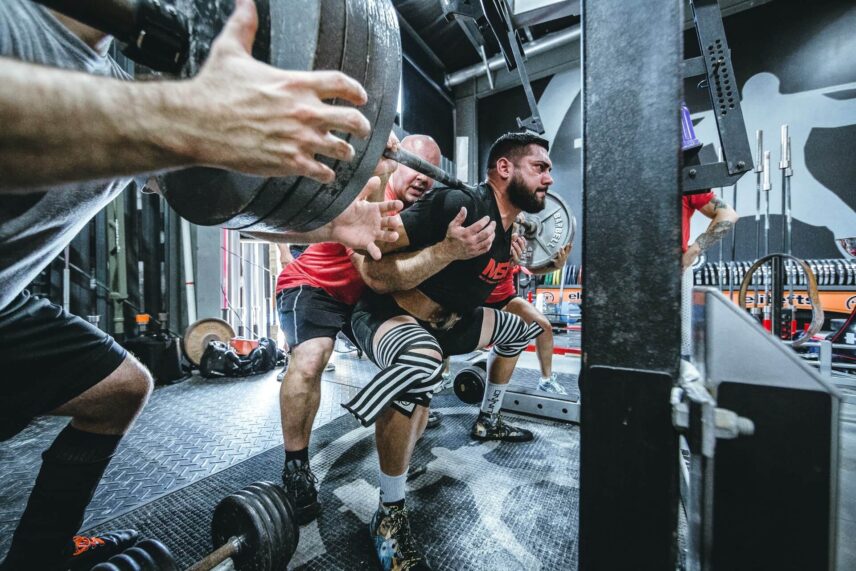
Your quadriceps — or quads — sit at the front of your thighs and take on most of the work when you squat. Their main job is to straighten the knees as you stand back up. Meanwhile, they also help you control the lowering phase of the movement. Whether you’re doing bodyweight squats or loading up a barbell, your quads drive much of the action.
The quads are made up of four muscles that work together to extend the knee and support lower-body strength. They also help stabilize the kneecap during movement, which is important for balance, control and healthy knee function. Outside the gym, you use your quads constantly for walking, climbing stairs, standing up and lifting objects safely.
Different squat variations can shift more emphasis onto the quads. Front squats and goblet squats, for example, usually keep your torso more upright, which increases the demand on the front of the thighs. Back squats still train the quads hard, but they also involve the glutes and hamstrings more.
Glute Muscles That Power Hip Extension and Core Stability
Your glutes are some of the most powerful muscles in your body. They help extend the hips, stabilize the pelvis and support your lower back during movement. Every time you stand up, climb stairs or drive upward from the bottom of a squat, your glutes step in to generate force and keep your body stable.
The gluteus maximus also works with the core and hip muscles to help control posture and movement. Strong glutes support balance, coordination and lower-body power, while weak or poorly activated glutes can place extra stress on the hips or lower back.
Different squat variations can change glute involvement. Back squats and deeper squats generally increase glute demand because of greater hip movement, while wider stances shift more work toward the hips and glutes. Goblet squats can also help beginners improve posture and hip control before progressing to heavier lifts.
Hamstring Muscles That Support Hip and Knee Stability
Your hamstrings run along the back of your thighs and help control both the hips and knees during movement. They assist with hip extension and knee flexion, which makes them important for lower-body strength, balance and stability during squats and other athletic movements.
Because the hamstrings cross both the hip and knee joints, they work hard during activities that involve running, jumping, lifting or changing direction quickly. They also help control the lowering phase of a squat and support smooth, coordinated movement under load.
Different squat variations can place slightly different demands on the hamstrings. Back squats and deeper squat positions generally increase hamstring involvement due to greater hip movement. Strengthening the hamstrings with controlled resistance exercises can improve lower-body stability and help reduce injury risk, especially during fast or explosive movement.
Squat Exercise Benefits for Strength, Stability and Everyday Movement
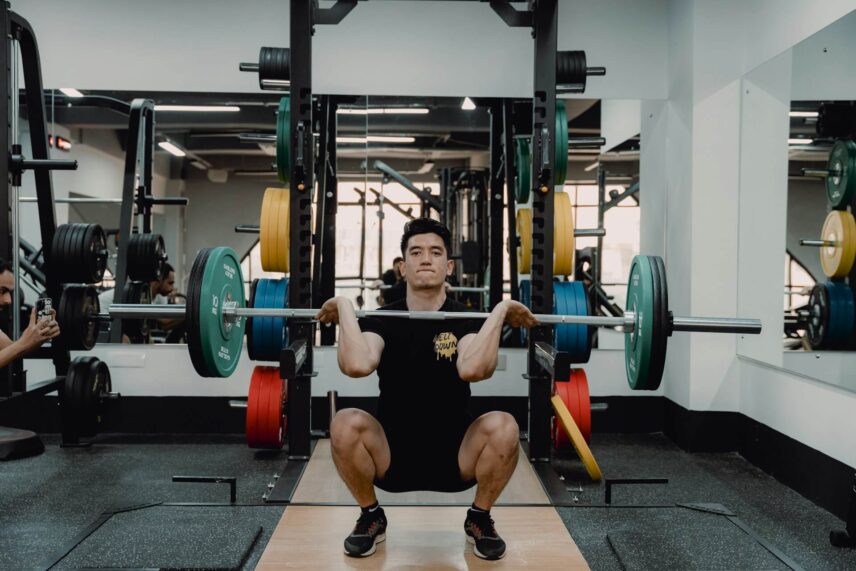
Squats build functional strength for everyday life. They are among the most practical strength exercises you can do because the movements show up in everyday life. You squat when you sit down, stand up, lift something from the floor or lower yourself into position. That’s why squats are widely used in both fitness training and rehabilitation to build lower-body strength, balance and movement control.
Additionally, squats primarily train the quads, glutes and core while also improving lower-body control and stability. Because the movement can be modified in several ways, squats are used in strength training, athletic performance and rehabilitation settings. When performed with proper technique, squats help build strength and movement control that carry over to sports and everyday activities.
The squat is so effective at building raw, functional power that it’s one of the three core lifts used to test ultimate strength in powerlifting. For you, this means the squat provides a clear and measurable way to track your progress. As your squat weight increases over time, it serves as a reliable benchmark that shows you are building powerful, full-body strength.
Squat Form Tips and Step-by-Step Technique Guide
A proper warm-up prepares the body for safe, efficient squatting and helps reduce movement errors such as excessive lower-back arching or inward knee collapse. Squatting also mirrors everyday movements like sitting, standing and lifting, which rely on coordinated work from the quads, hamstrings, glutes and core. A brief bodyweight squat warm-up activates the calves, thighs and glutes while helping reinforce controlled knee and hip movement before loaded squats.
Stand with your feet about shoulder-width apart or slightly wider, with your toes turned slightly outward. Before adding weight, focus on learning the movement pattern with a bodyweight squat. Brace your core, keep your chest up and lower with control by pushing your hips back and bending your knees. Keep your knees in line with your toes, heels grounded and spine neutral as you descend to at least parallel depth.
Choose the Right Squat for Your Goals

Once you’ve mastered the basic squat, variations can challenge your muscles in different ways. The goblet squat adds load while helping reinforce posture and core engagement. Hold a kettlebell or dumbbell at chest height, stand slightly wider than hip-width, keep your chest up, brace your core and let your elbows angle slightly downward.
Dumbbell squat thrusters combine a squat with an overhead press to train the quads, glutes, shoulders and core. Goblet squats keep the weight at chest height to encourage an upright torso and core engagement, while sumo squats use a wider stance to place more demand on the hips and inner thighs. Medicine ball squat tosses add speed and power, and pulse squats keep constant tension on the lower body through short controlled movements.
To perform a squat thruster, hold dumbbells at shoulder height, squat with control and press the weights overhead as you stand. In the sumo squat, take a wide stance with toes turned outward and keep your knees tracking outward as you lower. Medicine ball squat tosses combine a squat with an explosive overhead throw, while pulse squats use short up-and-down movements near the bottom of the squat.
Build Strength and Stability with the Squat
The squat is a compound movement that primarily trains the quads, glutes, hamstrings and core while improving lower-body coordination and control. It helps build strength used in everyday movements like lifting, walking and standing up. Because squat variations and loading can be adjusted, the movement can suit different training levels and goals. When performed with proper technique, squats support long-term strength, stability and movement quality.